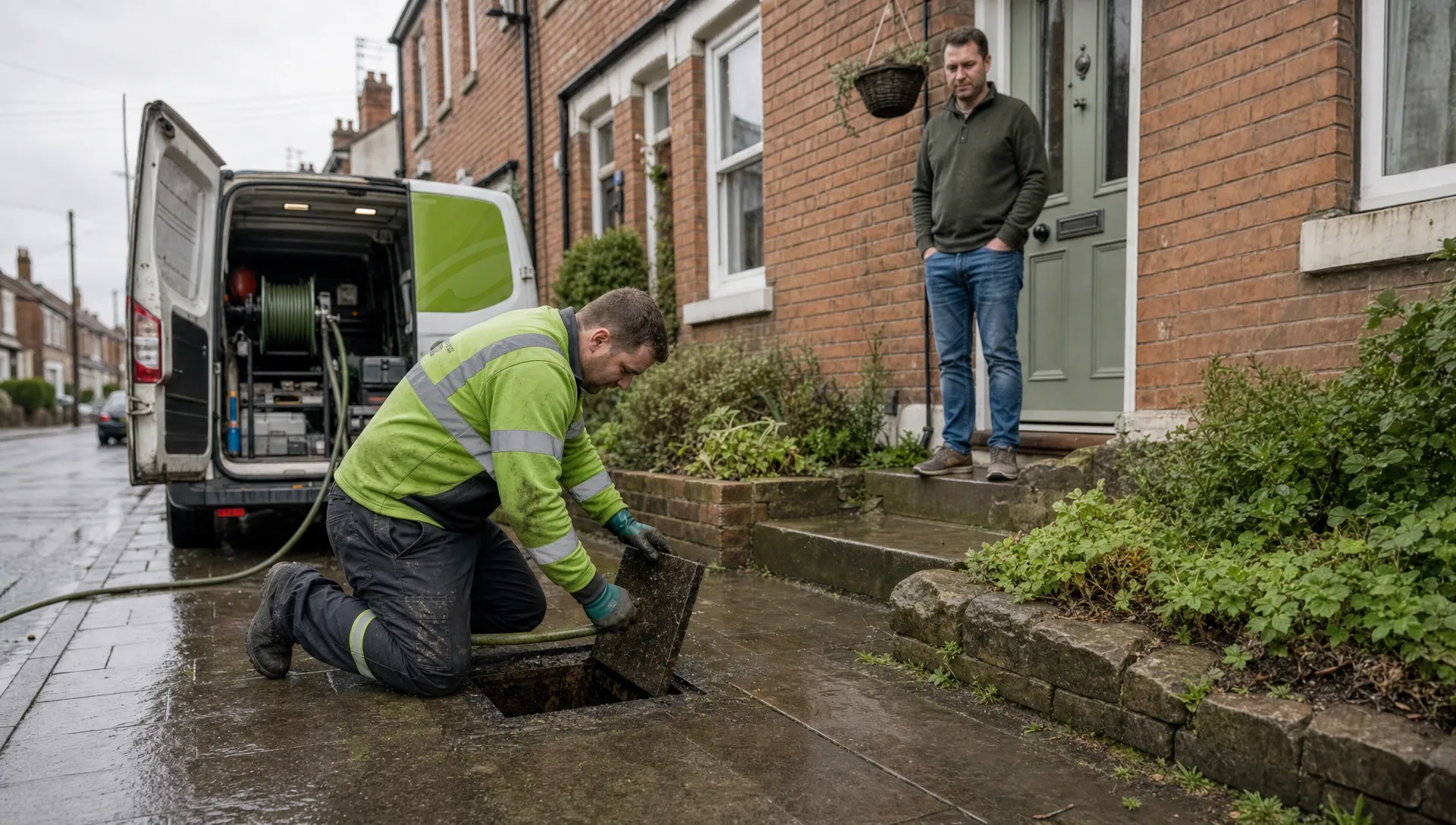
A bath or sink draining very slowly is one of those household problems that starts as a nuisance, then quickly becomes difficult to ignore. Water sits around your feet in the shower, the basin takes a
A bath or sink draining very slowly is one of those household problems that starts as a nuisance, then quickly becomes difficult to ignore. Water sits around your feet in the shower, the basin takes ages to empty or the kitchen sink makes a slow glugging noise after washing up.
In most homes, the cause is a partial blockage rather than a serious plumbing fault. Hair, soap residue, food scraps, grease and general build-up can narrow the pipe until water struggles to get through. The good news is that there are a few safe things you can check before calling anyone out. The key is knowing when DIY is sensible and when it is time to call a plumber.
If only one bath, sink or basin is draining slowly, the blockage is usually close to that fixture. If several drains are slow at once, or dirty water is coming back up, treat it as more urgent and get professional help.
What to do first if your bath or sink is draining slowly
Start by using the affected bath or sink as little as possible. A slow drain can become a full blockage, especially if more water, soap, food waste or bath products keep going into it.
Before trying any fix, check whether the problem is limited to one place. Run a little water in nearby fixtures and watch how they drain. For example, if the bathroom basin is slow but the bath and toilet are normal, the issue is probably local to the basin waste. If the bath, basin and kitchen sink are all slow, the blockage may be further along the waste pipe or external drain.
Remove any obvious surface debris from the plughole. In a bathroom, hair is the usual culprit. In a kitchen, scraps of food or congealed fat can sit just below the plughole and slow the flow. Wear rubber gloves and avoid pushing anything further down.
Do not keep pouring boiling water, bleach or strong chemicals down the drain in the hope that it will clear itself. Some products can damage seals or make the job more unpleasant for a plumber. If you have already used a chemical drain cleaner, tell the plumber before they start work.
Common causes of a slow draining bath or sink
A slow draining sink or bath can have several causes, but most fall into a handful of common patterns. The table below shows what might be happening and who normally deals with it.
| Symptom | Likely cause | Who to call |
|---|---|---|
| Bathroom basin drains slowly only | Hair, soap scum or toothpaste build-up near the plughole | Plumber |
| Bath or shower tray fills while in use | Hair and soap build-up in the trap or waste pipe | Plumber |
| Kitchen sink drains slowly after cooking or washing up | Grease, fat, food scraps or detergent residue | Plumber |
| Sink glugs or smells when draining | Partial blockage, poor pipe flow or air movement issue | Plumber |
| Several sinks, bath or shower are slow | Blockage further along the waste pipe or drain | Plumber, sometimes a drainage specialist |
| Dirty water comes back up into another fixture | More serious blockage or shared waste problem | Plumber urgently |
For most indoor slow-drain problems, a plumber is the right first trade. They can clear local blockages, remove and clean traps, check waste pipes and advise if the issue is actually outside the property. If the problem is in a shared drain, sewer or external pipe, you may need a drainage specialist or your water company, but a plumber can usually help identify that.
If you are trying to judge whether a quote is fair, check the current plumber rates on HaMuch before booking. HaMuch shows real, comparable pricing by trade and location, so you are not relying on vague call-out estimates.
Safe fixes you can try yourself
If the water is draining slowly but not completely blocked, there are a few low-risk steps worth trying. Stop if the problem gets worse, if water starts backing up or if you are unsure how to reassemble anything you remove.
A simple plunger can work well on sinks and baths when there is a partial blockage. Make sure there is enough water to cover the rubber cup, cover any overflow opening with a damp cloth and use steady up-and-down pressure. The aim is to shift the blockage, not force the pipework apart.
For a bathroom basin or bath, a plastic drain hair remover can pull out hair near the plughole. These are cheap and can be effective, but use them gently so you do not damage the waste fitting.
For a kitchen sink, warm water with washing-up liquid may help soften grease near the plughole. Avoid pouring large amounts of fat, oil or greasy water down the sink afterwards, as it can cool and harden further along the pipe.
If you are comfortable doing so, you may be able to unscrew and clean the trap under a basin or kitchen sink. The trap is the curved section below the plughole that holds water to stop smells coming back up. Put a bowl and towel underneath first, take a photo before you undo anything and do not overtighten the fittings when you put them back.
When you should call a plumber
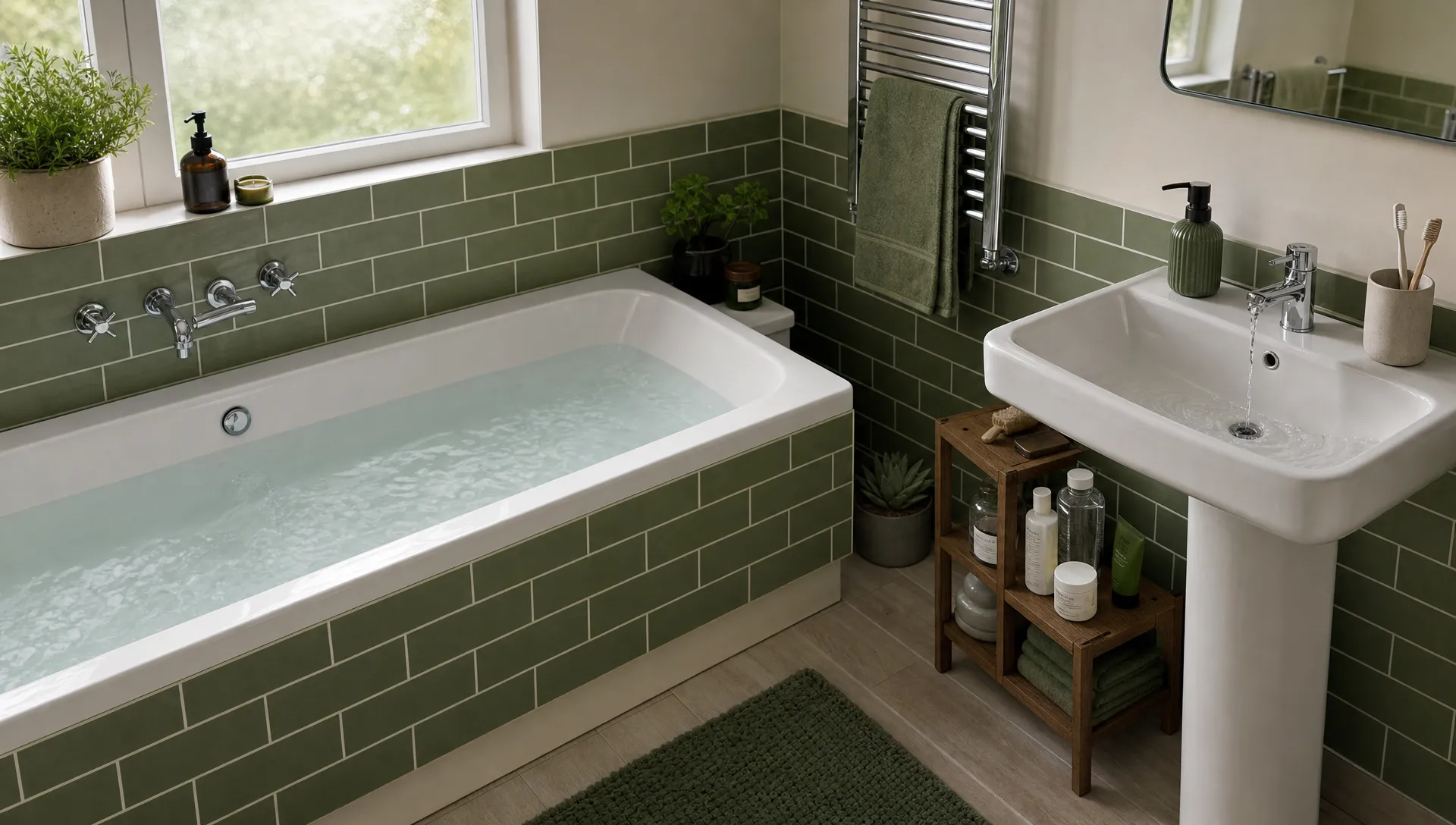
Call a plumber if the bath or sink is still slow after basic checks, or if the same problem keeps coming back. Repeat blockages usually mean there is build-up further along the pipe, poor pipe alignment or another issue that cannot be fixed from the plughole.
You should also get help quickly if you notice any of the following:
- Water backing up into the bath, shower or another sink
- A bad drain smell that does not clear after cleaning
- Gurgling from other plugholes when one fixture drains
- Leaking from under the sink after you have tried to clear it
- Slow drainage affecting more than one room
- A rental property where tenants cannot use washing or bathing facilities properly
A plumber may clear the blockage manually, remove and clean the trap, use specialist rods or check whether the waste pipe needs repair. For more complex cases, they may recommend a camera inspection or drainage contractor, especially if the blockage appears to be outside the property.
Bath, bathroom sink or kitchen sink: what the location tells you
The room where the problem happens gives useful clues.
A slow draining bath is often caused by hair and soap products collecting in the trap. This is especially common in homes where several people use the same shower over the bath. If water pools around your feet within a minute or two, the restriction is likely close to the bath waste.
A bathroom basin usually blocks with a mixture of hair, toothpaste, shaving foam and soap residue. If the plughole also smells, the trap may need cleaning. This is normally a straightforward plumbing job unless access under the basin is awkward.
A slow kitchen sink is more likely to involve grease or food waste. Even if you use hot water, fats can cool inside the pipe and stick to the sides. Over time, the opening narrows and the sink drains more slowly. If you have a washing machine or dishwasher connected to the same waste, symptoms may show up when those appliances empty.
If the toilet is also affected, or water is coming up through a shower tray when another fixture drains, do not keep testing it. That points to a more significant blockage and you should call for help.
How much does it cost to fix a slow draining sink or bath?
The cost depends on what the plumber has to do, how accessible the pipework is and whether the problem is local or further along the drainage system. A simple trap clean is usually quicker than tracing a repeated blockage behind units, under a bath panel or outside the property.
Location also affects labour rates. Plumber pricing in London, Birmingham, Manchester and surrounding areas can vary due to travel time, parking, demand and whether the job is urgent. Rather than relying on a national average that may not match your area, HaMuch lets you compare local plumbers and see transparent rate information before you request quotes.
The main factors that influence the final price are:
- Whether it is a normal appointment or an emergency call-out
- Whether the blockage is in one fixture or several drains
- How easy it is to access the trap and pipework
- Whether parts need replacing, such as a damaged trap or waste fitting
- Whether specialist drainage equipment is needed
If you also have a dripping or faulty tap at the same sink, that is a separate job from the drainage issue. You can check typical repair considerations in HaMuch's guide to how much it costs to fix a leaking tap, but a slow drain itself is normally about the waste pipe rather than the tap.
Advice for landlords and property managers
For rental homes, a slow drain is worth dealing with early. Tenants may keep using the bath or sink because it still drains eventually, but the blockage can worsen and lead to leaks, smells or unusable facilities.
Ask the tenant for clear details before booking a plumber. Which fixture is affected? How long does it take to drain? Are any other sinks, baths, showers or toilets slow? Has any drain cleaner been used? A short video can also help the plumber understand the problem before arriving.
If the property is in a block of flats or converted house, ask whether neighbours have similar symptoms. Shared drainage can complicate responsibility and may involve the freeholder, managing agent or water company.
How to prevent it happening again
Once the drain is clear, small habits make a big difference. Use a hair catcher in baths and showers, wipe grease from pans with kitchen roll before washing them and avoid rinsing coffee grounds or food scraps down the sink.
Clean plugholes regularly, especially in busy bathrooms. If a sink starts to slow again within days of being cleared, do not just repeat the same DIY fix. That usually means the underlying issue has not been solved.
For older homes, recurring slow drainage can sometimes be linked to poor pipe layout, long pipe runs or previous DIY plumbing alterations. A plumber can advise whether a repair or adjustment would be more sensible than repeatedly clearing the same blockage.
Frequently Asked Questions
Why is my sink draining slowly but not blocked? It is probably partially blocked. Water can still pass through, but hair, soap, grease or food residue has narrowed the pipe so it drains much more slowly.
Can I use chemical drain cleaner for a slow draining sink? You can use products according to the label, but they are not always the best option. Never mix drain cleaners with bleach or other chemicals, and tell your plumber if you have used one.
Why does my bath drain slowly after every shower? Hair and soap residue are the most common causes. A hair catcher and regular plughole cleaning can help, but if the problem returns quickly, the blockage may be deeper in the waste pipe.
Should I call a plumber or a drainage company? For one slow sink, basin or bath, call a plumber first. If several drains are affected or the blockage appears to be outside the property, a drainage specialist may be needed.
Is a slow draining sink an emergency? Not always. If it is only slow and water is not backing up, you can usually arrange a normal plumbing visit. If dirty water is coming back up, several fixtures are affected or there is leaking, treat it as urgent.
Need a plumber for a slow draining bath or sink?
If your bath or sink is still draining very slowly after simple checks, it is time to compare local help. With HaMuch, you can see transparent plumber pricing, compare tradespeople in your area and request quotes without any obligation to book.
Post your plumbing job on HaMuch and get clear, comparable quotes from local plumbers before you decide who to hire.