
Adding a new electrical socket is one of those small home improvements that can make a big difference. Whether you are setting up a home office, replacing messy extension leads, or making a rental pro
Adding a new electrical socket is one of those small home improvements that can make a big difference. Whether you are setting up a home office, replacing messy extension leads, or making a rental property more practical, the key question is simple: how much should it cost to fit a new socket?
As a broad UK guide, a straightforward new indoor double socket usually costs around £120 to £250 when it can be taken from a nearby existing circuit. More involved work, such as running cable across a room, chasing into solid walls, adding an outdoor socket, or installing a new circuit from the consumer unit, can cost more.
The final price depends heavily on access, your existing wiring, the finish you want, and local labour rates. That is why it is worth comparing real quotes before booking. HaMuch helps homeowners and landlords check transparent, comparable prices from local electricians, rather than relying on vague estimates.
Average cost to install a new electrical socket
For a typical home, the cost of adding a socket is usually made up of labour, materials, testing, and any small finishing work. Electricians often have a minimum charge, especially for small jobs, so even a quick socket installation may be priced as a half-day or first-hour visit.
Here is a practical UK cost guide for common socket jobs:
| Job type | Typical cost range | What it usually covers |
|---|---|---|
| Replace an existing socket faceplate | £50 to £90 | Swapping a damaged or dated socket in the same position |
| Add a new double socket near an existing one | £120 to £200 | Cable taken from a nearby suitable point, basic materials and testing |
| Add a recessed double socket with chasing | £150 to £250 | Cutting into the wall for a neater finish, usually with some making good needed |
| Add a surface-mounted socket | £100 to £180 | Cable run in surface trunking, often cheaper and quicker than chasing |
| Install an outdoor socket | £150 to £300 | Weatherproof socket, suitable protection and external cable route |
| Add a socket on a new circuit | £300 to £600+ | New cable run from the consumer unit, more testing and certification |
These are guide prices, not fixed quotes. A simple socket fitted on the same wall as an existing outlet may be near the lower end. A new socket in a different room, behind kitchen units, or on the far side of the property may cost more because the electrician has to spend extra time routing cable safely.
If you want to see how labour prices vary in areas such as London, Birmingham and Manchester, HaMuch’s electrician rates by UK location can help you compare local pricing before you request quotes.
Why does the price vary so much?
Two homes can need the same number of sockets but produce very different quotes. The electrician is not just fitting the visible socket plate. They also need to check whether the circuit can safely take the extra load, route cable correctly, test the work, and leave it compliant with current electrical safety standards.
The biggest cost factors are usually the distance from the nearest suitable power source, the type of wall, and whether the cable can be hidden easily. Stud walls and accessible floor voids can make the job quicker. Solid brick walls, tiled splashbacks, laminate flooring, fitted wardrobes and kitchen units can all add time.
The finish matters too. A surface-mounted socket, where the cable is run in neat plastic trunking, is usually cheaper because there is less cutting and repair work. A flush socket, where the box is recessed into the wall, looks tidier but takes longer. If plastering or decorating is needed afterwards, check whether that is included in the electrician’s quote or whether you need a separate tradesperson.
Your location also affects the quote. Electrician costs can be higher in busy city areas because of travel time, parking, congestion charges, demand and general operating costs. That is one reason homeowners in London may see different pricing from those in Manchester or Birmingham, even for a similar job.
Common socket installation scenarios
A useful way to understand the price is to think about the job rather than just the number of sockets. One new socket may be simple. Another may involve lifting floorboards, drilling through walls, or upgrading parts of the circuit first.
For example, adding a double socket behind a desk in a bedroom is often straightforward if there is a nearby socket on the same circuit. The electrician may be able to extend from the existing point, fit the new socket, test it and finish the job in a short visit.
A kitchen socket can be more complicated. Kitchens often have appliances, tiles, cabinets and higher electrical demand. The electrician may need to check whether the existing circuit is suitable and may have to route cable around units or through awkward spaces.
Outdoor sockets need more care. They must be weatherproof, correctly rated and protected. The cable route needs to be safe, and the electrician will need to consider water, impact, garden equipment and whether the circuit has suitable RCD protection.
Landlords should also think about the wider condition of the property’s electrics. If you are adding sockets in a rental property and are unsure about the installation, it may be worth checking the likely cost of an EICR landlord certificate as part of your planning. An EICR is a separate inspection, but it can highlight issues that matter before extra electrical work is carried out.
What should be included in an electrician’s quote?
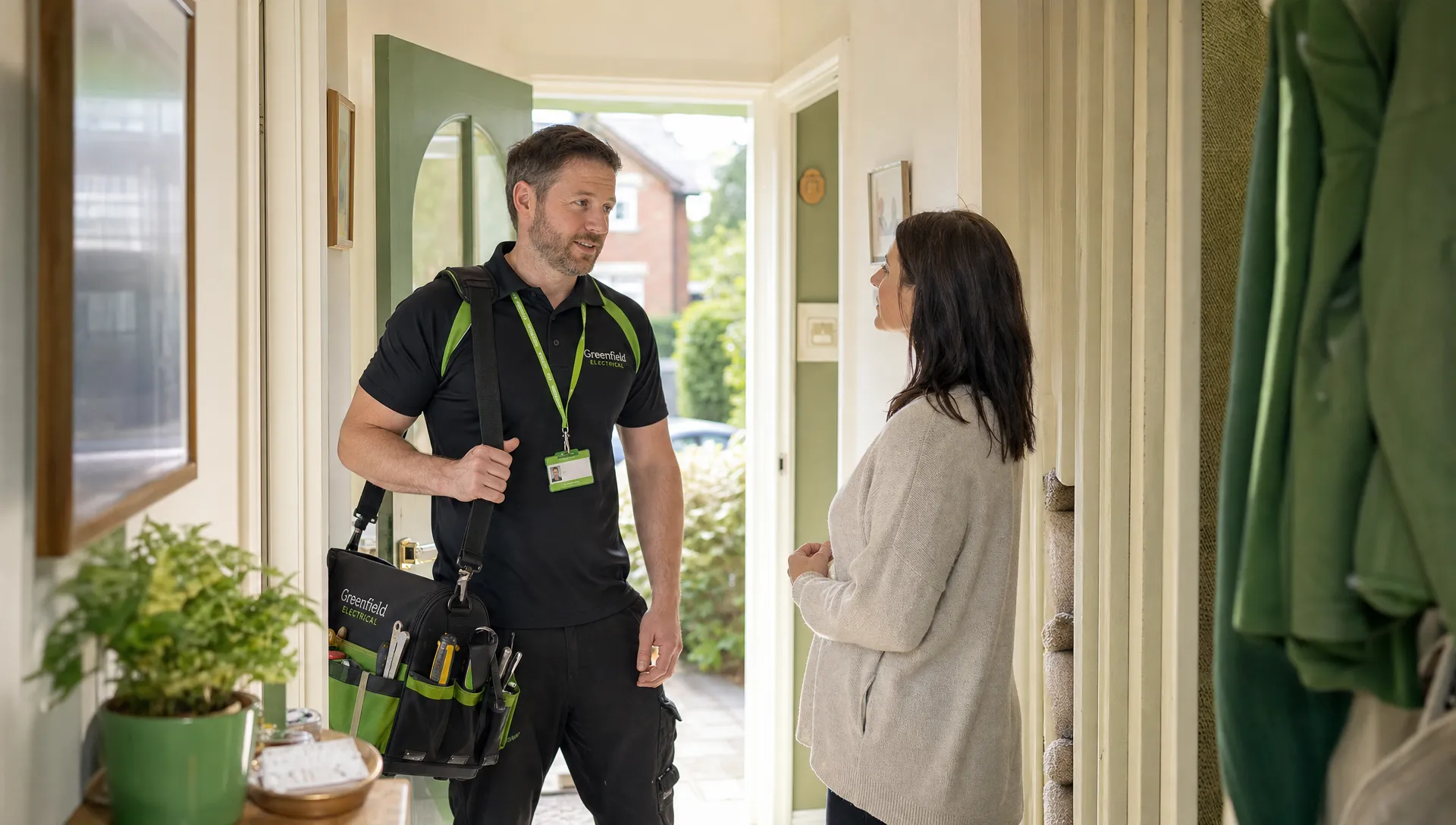
A clear quote should explain what the electrician is actually doing. For a new socket, you want to know whether the price includes the socket plate, back box, cable, trunking if needed, testing, certification where applicable, and basic making good.
It is also worth asking whether the quote includes VAT, travel, parking, and any minimum call-out charge. If the electrician needs to lift flooring, move furniture, cut into walls or return after plastering, this should be made clear before work begins.
For a fair comparison, give each electrician the same information. Useful details include the room, the approximate distance from the nearest existing socket, whether you want a surface-mounted or flush finish, the wall type if you know it, and whether access under floors or above ceilings is available.
Photos help too. A wide photo of the room, the nearest existing socket, and the area where you want the new socket can make it easier for electricians to give an accurate estimate. Avoid relying on the cheapest quote alone if it is vague. A slightly higher quote that clearly includes testing and a tidy finish may be better value than a low price with lots of exclusions.
Do you need a qualified electrician?
Yes. Electrical work is not an area to guess at. A new socket may look like a small job, but unsafe wiring can cause electric shock, overheating or fire risk.
In England and Wales, domestic electrical work must comply with Part P of the Building Regulations. Some jobs, such as installing a new circuit or work in certain special locations, may be notifiable. Rules can vary across the UK, so a qualified electrician should be able to explain what applies to your home.
For many socket additions to an existing circuit, the work is not usually notifiable, but it still needs to be designed, installed and tested correctly. You should expect the electrician to check the circuit and provide appropriate paperwork, such as a Minor Electrical Installation Works Certificate for many alterations.
Electrical Safety First also advises using a registered electrician for domestic electrical work. If you are unsure, ask the electrician about their qualifications, insurance and whether they are registered with a recognised competent person scheme.
Can you reduce the cost of adding sockets?
You should not cut corners on electrical safety, but there are sensible ways to keep the job efficient.
Group small electrical jobs together if you can. If you need two sockets added, a light fitting changed and a damaged socket replaced, doing them in one visit may be more cost-effective than booking separate call-outs.
Be flexible on finish where appearance is less important. In a garage, utility room or cupboard, surface-mounted trunking may be perfectly acceptable and cheaper than chasing cables into walls. In a living room or bedroom, you may prefer to pay extra for a flush finish.
Clear the work area before the electrician arrives. Moving furniture, emptying cupboards and making sockets accessible can save time. If parking is difficult, explain this before the visit so the electrician can plan properly.
Most importantly, compare like-for-like quotes. HaMuch is built to make this easier by showing real, transparent pricing and local tradesperson information upfront, so you can compare before deciding who to contact.
New socket cost for landlords and property managers
For landlords, the cheapest short-term option is not always the best long-term decision. Rental properties often need practical socket layouts because tenants may otherwise rely on extension leads and adaptors.
If you are preparing a property for new tenants, it can make sense to review socket positions at the same time as other electrical checks or maintenance. For example, adding sockets in bedrooms, living rooms or home-working areas may improve usability and reduce complaints later.
You should also keep records of electrical work. If a socket is added, ask for the relevant certificate or written confirmation of the work completed. This can be useful for your property file and may support future safety checks.
If your rental property is due for an inspection, HaMuch’s guide to how much an EICR electrical safety certificate costs explains what landlords and homeowners can expect from that separate process.
Frequently Asked Questions
How much does it cost to fit a new socket in the UK? A straightforward new indoor double socket often costs around £120 to £250. Replacing an existing socket faceplate may cost less, while outdoor sockets, recessed sockets or new circuits can cost more.
Is a double socket more expensive than a single socket? Usually only slightly. The labour is often the main cost, so many homeowners choose a double socket because it gives more flexibility for a small difference in materials.
Can an electrician add a socket anywhere? Not always. The electrician needs to check whether there is a safe cable route and whether the existing circuit can take the extra point. Some locations, such as bathrooms and outdoor areas, need extra care.
Will the electrician need to damage the wall? If you want a flush socket, some cutting or chasing may be needed. A surface-mounted socket can reduce mess, but the cable and trunking will be visible.
How long does it take to install a new socket? A simple socket addition may take one to two hours. More complex jobs, such as long cable runs, outdoor sockets or work involving solid walls, can take half a day or longer.
Do I need an EICR before adding a socket? Not usually for a simple socket addition, but an electrician may recommend further checks if the installation looks old, unsafe or overloaded. Landlords may already need an EICR for rental compliance.
Compare electrician quotes with HaMuch
Before you book, it is worth checking what local electricians are charging in your area. The cost to fit a new socket can vary depending on your home, your location and how much work is involved.
With HaMuch, you can compare local, vetted electricians with genuine customer reviews and transparent pricing information. It is free to request quotes, and there is no obligation to book. Compare first, ask the right questions, then choose the electrician that feels right for the job.