If you searched for electric shower going hot and cold because your shower keeps switching from comfortable to freezing or scalding, the cause is usually water flow, pressure or a fault inside the sho
If you searched for electric shower going hot and cold because your shower keeps switching from comfortable to freezing or scalding, the cause is usually water flow, pressure or a fault inside the shower unit. The good news is that there are a few safe checks you can do without taking anything apart, and those checks can help you decide whether to call an electrician, a plumber or your water supplier.
An electric shower is different from a mixer shower. It heats cold mains water inside the shower unit as the water passes through, so it depends on both a steady water supply and a safe electrical supply. If either one becomes unreliable, the temperature can jump around.
Quick safety check first
Before you test anything, check whether the shower is showing signs of an electrical fault. Water and electrics are a serious combination, especially in bathrooms, where electrical work must be handled with extra care. Electrical Safety First’s bathroom safety guidance explains why bathroom electrics need proper protection and professional installation.
Stop using the shower and call a qualified electrician if you notice any of these warning signs:
- The shower switch, pull cord or consumer unit keeps tripping
- There is a burning smell, buzzing noise or visible scorch mark
- The shower casing is cracked, loose or leaking
- The temperature changes are sudden and extreme
- The shower turns itself off or will not restart normally
Do not remove the front cover of an electric shower. Even if it looks like a simple job, there are live electrical parts inside and the fault may not be visible from the outside.
Common reasons for an electric shower going hot and cold
Most temperature cycling happens because the shower cannot maintain the right balance between water flow and heating. If the flow drops too low, the water can overheat and the safety cut-out may cool it down. If the flow suddenly increases, the heating element may not warm the water enough before it reaches you.
| Likely cause | What you might notice | Who normally deals with it |
|---|---|---|
| Low or fluctuating water pressure | Temperature changes when taps, toilets or appliances are used | Plumber or water supplier |
| Blocked shower head or hose | Weak spray, uneven spray pattern or limescale build-up | Homeowner for cleaning, plumber if pipework is affected |
| Faulty flow sensor, thermostat or heating element | Shower cycles hot and cold even when other taps are off | Electrician, sometimes shower repair specialist |
| Electrical supply problem | Tripping, burning smell, buzzing or intermittent power | Electrician |
| Old or undersized shower unit | Poor performance in winter or at higher flow settings | Electrician for replacement advice |
When you are dealing with an electric shower going hot and cold, the clue is often whether anything else in the home changes at the same time. If the shower misbehaves only when the washing machine fills or someone flushes a toilet, pressure is the likely starting point. If it happens at random, with no other water being used, the shower unit or electrical supply becomes more suspect.
Water pressure problems
Electric showers need a minimum flow rate to work safely. If the mains pressure drops, the unit may reduce heating, cut out briefly or swing between hot and cold. This is common in homes where several outlets are used at once, especially flats, older terraces and properties with shared or restricted incoming supplies.
Try running the shower when no other taps, appliances or toilets are being used. If the temperature stays steadier, the shower may be reacting to pressure changes elsewhere in the property. In that case, a plumber can check stop taps, isolation valves and pipework restrictions. If neighbours are affected too, your water supplier may need to investigate the mains supply.
This is also where location can make a difference. Flats in London, older properties in Birmingham and terraced homes around Manchester can all have different pressure issues depending on building layout and supply condition, so comparing local trades is worth doing before booking a visit.
Limescale, blocked spray plates and poor flow
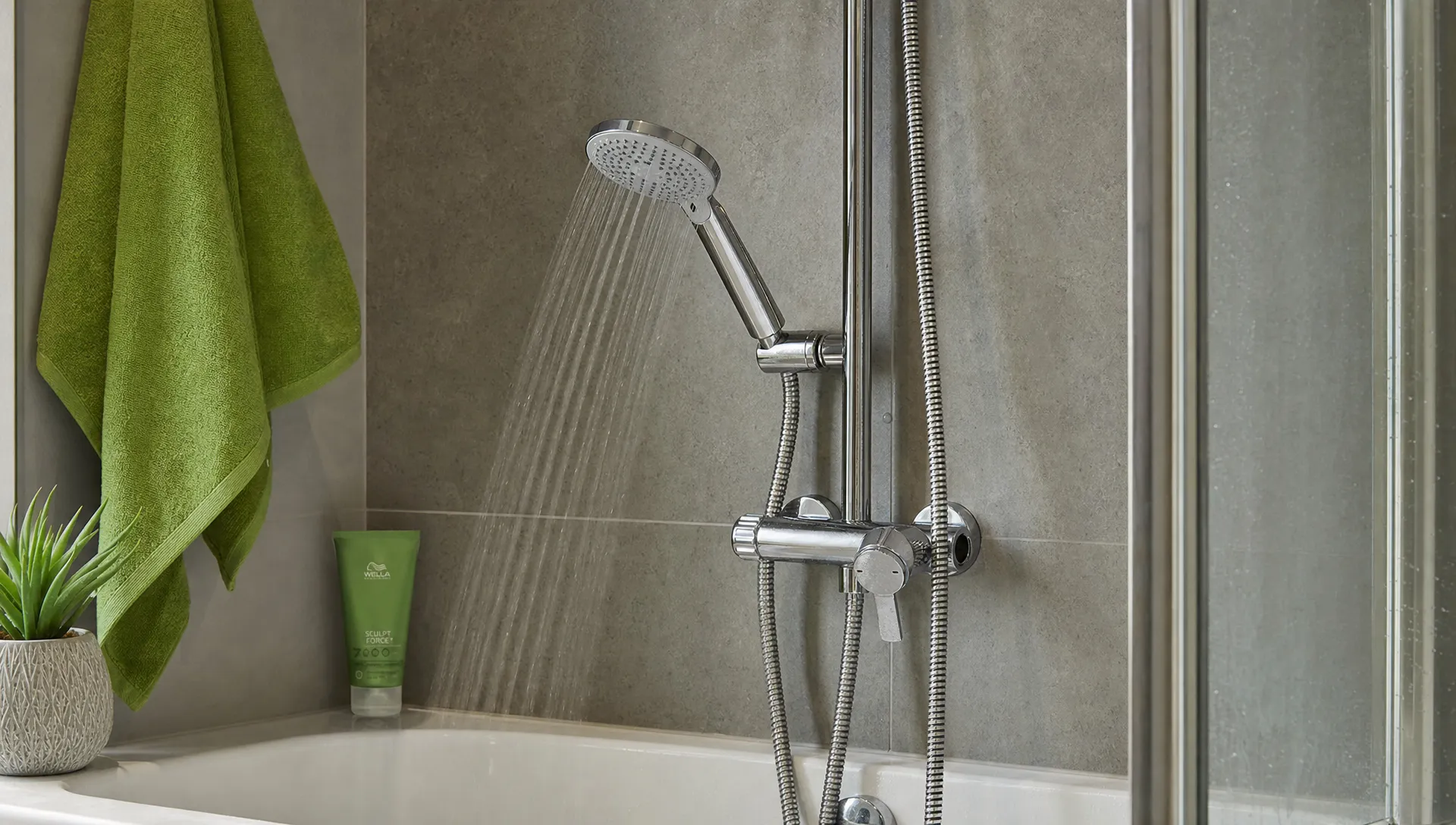
A blocked shower head can make an electric shower behave as if the water pressure has dropped. Limescale narrows the holes in the spray plate, which restricts flow and can trigger overheating inside the unit. Hard water areas are more prone to this, but any shower head can clog over time.
You can usually check this safely by removing and descaling the shower head according to the manufacturer’s instructions. Look for an uneven spray pattern, spurting jets or water backing up through the hose connection. Do not poke tools into the shower unit itself and do not open the casing to clean internal filters.
If the electric shower going hot and cold improves after descaling the shower head, you may have found the issue. If the spray is still weak, a plumber can check whether there is a restriction in the pipework or supply valve.
Faults inside the shower unit
If water pressure seems normal and the shower head is clean, the problem may be inside the electric shower. Common internal faults include a failing heating element, a worn flow sensor, a faulty thermostat or a thermal cut-out that is reacting too quickly. These parts help the shower judge how much heat to apply as water passes through.
A shower can also become less reliable with age. Older units may struggle more in winter because the incoming mains water is colder, so the heater has to work harder. Turning the temperature up while keeping the flow high can make the unit cycle because it cannot heat that much water quickly enough.
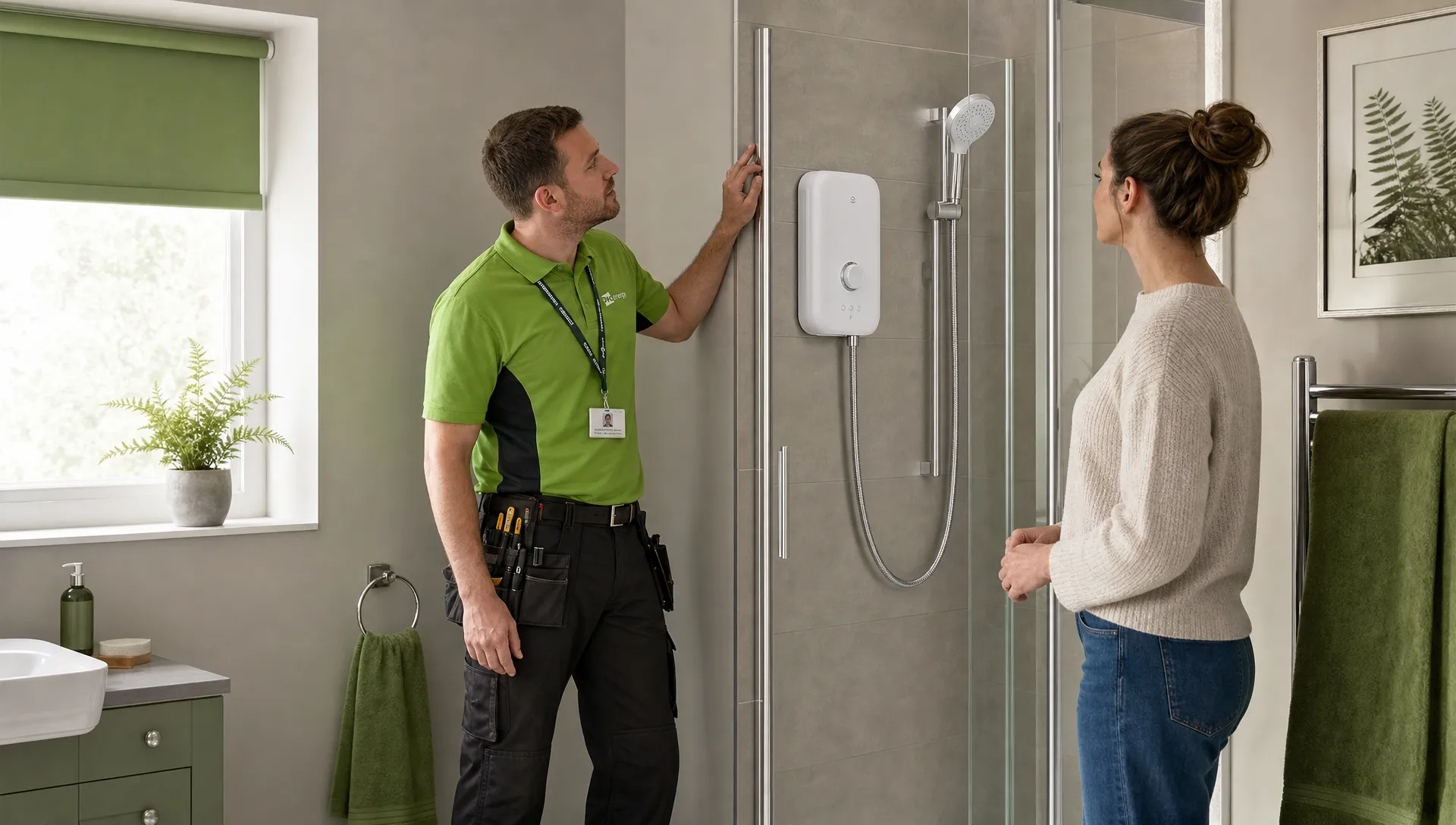
This is a repair-or-replace decision, not a DIY investigation. An electrician can test the electrical side safely and advise whether a repair is worthwhile. If the unit is old, replacement may be more sensible than paying for repeated call-outs.
If your issue is slightly different and the shower has gone cold and stayed cold, HaMuch has a separate guide on an electric shower suddenly running cold that focuses on that specific symptom.
Electrical supply issues and tripping
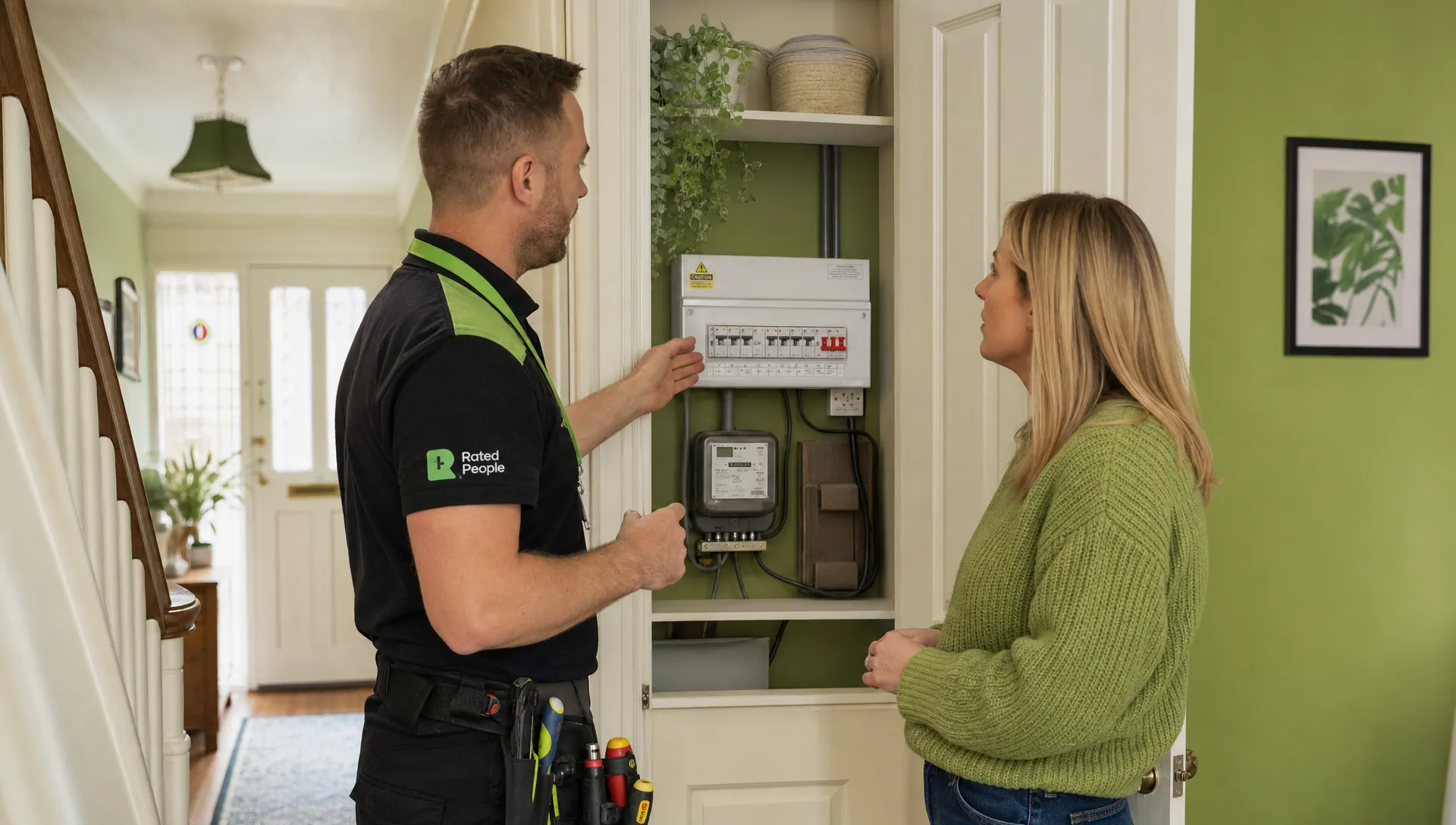
An electric shower going hot and cold can also be a sign that the electrical supply is not staying stable. Electric showers draw a lot of power, so they need the correct circuit, protective devices and isolation switch. If something is loose, damaged or overloaded, the shower may cut out, heat intermittently or trip the consumer unit.
If the RCD or breaker trips when the shower is used, stop using it until it has been checked. Resetting it again and again does not fix the fault and may make the situation more dangerous. For a broader explanation of why this happens, see HaMuch’s guide to a fuse box that keeps tripping for no obvious reason.
This is firmly an electrician job. A plumber may be able to help with water pressure or pipework, but they should not be expected to diagnose or repair shower wiring unless they are also properly qualified for electrical work.
What you can safely check before calling someone
A few simple observations can save time when you speak to a tradesperson. You are not trying to repair the shower yourself, just gather useful clues.
Check whether the problem happens every time or only at busy times of day. Notice whether the spray becomes weaker when the water turns hot or cold. Run a nearby cold tap and see whether its flow also changes. Look at the shower head for limescale and check whether other taps, the washing machine or toilet flush affect the temperature.
You can also note the make and model of the shower, its approximate age and whether the consumer unit has tripped. Take a photo of the shower from a normal distance if you are posting the job online, but avoid removing covers or photographing inside the unit.
If the problem started after a recent bathroom renovation, new shower installation or consumer unit work, mention that too. It helps the electrician or plumber understand whether the fault may be connected to installation, supply changes or the unit itself.
Who should you call, electrician or plumber?
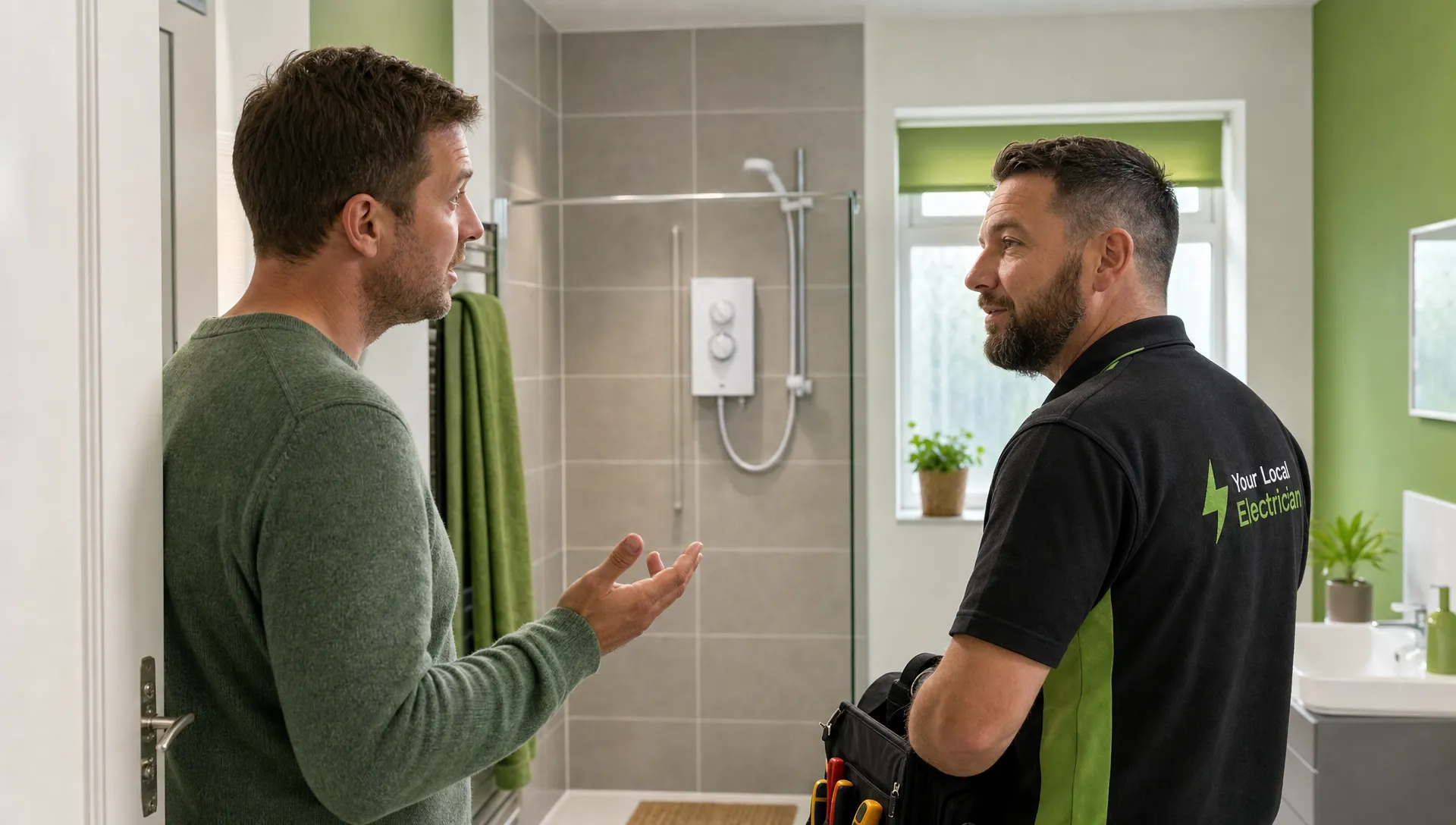
Call an electrician first if there is tripping, burning, buzzing, power loss, intermittent heating, a faulty pull cord or any concern about the shower unit itself. Electric showers are electrical appliances in a wet room, so the electrical side must be handled by someone qualified.
Call a plumber first if the main issue is low water pressure across the home, weak flow from several taps, a suspected pipework restriction or problems after changes to the mains supply. In some cases, both trades may be needed, especially if a shower replacement involves water connections and electrical testing.
Before paying for a replacement because of an electric shower going hot and cold, compare the likely call-out and labour costs in your area. If you are in London, Birmingham, Manchester or the surrounding areas, HaMuch lets you compare local electrician rates using transparent pricing rather than vague estimates. If your checks point more towards pipework or pressure, you can also compare local plumber rates before deciding who to contact.
For landlords and property managers, it is worth acting quickly when a tenant reports temperature changes, especially if tripping or electrical symptoms are mentioned. Keep a note of the report, any safety steps taken and the tradesperson’s findings.
Frequently Asked Questions
What is the most common cause of an electric shower going hot and cold? The most common causes are fluctuating water pressure, restricted flow from limescale or a fault inside the shower unit. If the issue happens when other taps or appliances are used, pressure is a likely cause. If it happens at random, the shower unit may need checking.
Can I still use the shower if it keeps changing temperature? If there are no electrical warning signs, you may choose to stop using other taps and appliances and see whether the temperature steadies. Stop using it immediately if it trips the electrics, smells hot, buzzes, leaks from the casing or becomes dangerously hot.
Is an electric shower problem a plumbing issue or an electrical issue? It can be either. Low pressure, blocked pipework and supply restrictions are usually plumbing issues. Faulty heating, tripping, switches, wiring and internal shower components are electrician issues.
Can limescale make an electric shower run hot and cold? Yes. Limescale in the shower head or hose can restrict water flow, which may cause overheating and cooling cycles. Cleaning the shower head is a safe first step, but do not open the shower unit to clean internal parts.
Should I replace the shower or repair it? It depends on the age of the unit, the fault and the labour cost in your area. A qualified electrician can test the shower and tell you whether a repair is sensible or whether replacement would be better value.
Get your electric shower checked safely
If your shower is cycling between hot and cold, do not guess at the fault or open the casing. Gather the simple clues above, then post the job on HaMuch so you can compare local electricians or plumbers with real, transparent pricing and genuine customer reviews.
For tripping, burning smells, buzzing or leaking from the shower unit, stop using it and request help urgently. You can post your electric shower repair job on HaMuch for free, compare quotes with no obligation and choose the right local tradesperson for the problem.