
A ceiling that is sagging or bulging in one spot is usually a sign that something above it has changed. In many homes, the cause is water collecting above the plasterboard after a leak. In other cases
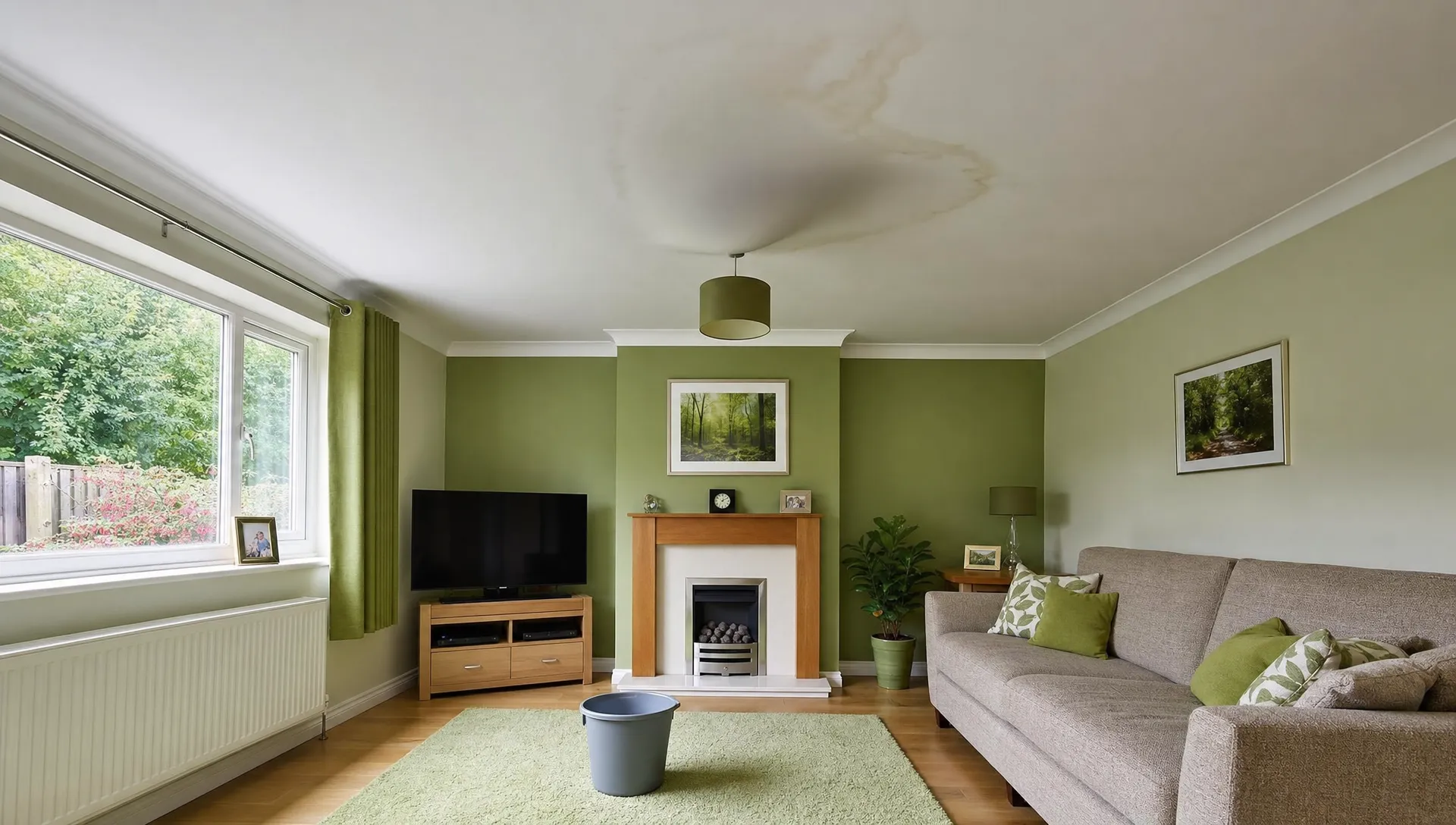
A ceiling that is sagging or bulging in one spot is usually a sign that something above it has changed. In many homes, the cause is water collecting above the plasterboard after a leak. In other cases, the plaster has failed, an old patch has come loose or there is movement in the timber structure above.
The main thing is not to panic, but not to ignore it either. A small bulge can turn into a collapsed section of ceiling if it is wet or getting heavier. Your first job is to make the area safe, then work out which trade is most likely to fix the cause.
First, make the area safe
If the ceiling is bowed, cracked, dripping or growing in size, treat the area underneath it as unsafe until someone has checked it.
- Move people, pets and valuables away from directly below the bulge.
- If water is dripping or the bulge is getting bigger, turn off the water at the stop tap if it is safe to do so.
- If the bulge is near a light fitting, smoke alarm or extractor fan, do not touch switches or wet fittings. Turn off the affected circuit at the consumer unit only if the unit is dry and safe to reach.
- Put towels or a bucket nearby to catch drips, but do not stand under the sagging area.
- Do not poke, cut or drill into the bulge. It may release dirty water suddenly or bring part of the ceiling down.
If water has reached electrics, you may need an electrician as well as the trade fixing the leak. HaMuch lets you compare local electrician rates before you book someone, which is useful if you need a safety check after the immediate issue is under control.
What a sagging ceiling usually means
A ceiling bulging in one spot is most often caused by weight. That weight could be trapped water, damp plaster, failed fixings or a section of plasterboard that has lost its strength.
A wet bulge often has a yellow or brown stain, a soft patch, bubbling paint or active dripping. A dry sag may look like a smooth dip, loose lining paper, cracked plaster or a section that flexes when nearby floorboards are walked on upstairs.
The cause matters because the person who repairs the ceiling is not always the same person who fixes the underlying problem. For example, a plumber may stop the leak, then a plasterer repairs the damaged ceiling once it has dried.
Quick guide: likely causes and who to call
| What you can see | Likely cause | Trade to call first |
|---|---|---|
| Wet stain, drip or growing bulge below a bathroom, toilet or airing cupboard | Leaking pipe, waste pipe, bath seal, shower tray, toilet cistern or heating pipe | Plumber, or heating engineer if it is part of the central heating system |
| Brown patch after heavy rain, often near an outside wall, chimney breast or loft area | Roof leak, blocked gutter, flashing issue or rainwater getting in | Builder who handles roof repairs, or a roofer if roof access is needed |
| Dry sag with cracks but no fresh staining | Failed plasterboard, old lath and plaster, poor previous repair or old water damage | Plasterer, sometimes a builder |
| Sagging ceiling with cracks in walls, sloping floor above or doors suddenly sticking | Possible joist movement, rot, overloading or structural movement | Builder, and possibly a structural engineer |
| Repeated damp, mould and soft ceiling near a cold corner or poorly ventilated room | Condensation, poor ventilation or hidden damp | Ventilation and AC engineer, plasterer or builder depending on the cause |
If the bulge is wet or dripping
A wet bulge is usually the most urgent version of this problem. The ceiling material can become heavy very quickly, especially if water is still entering from above. In a two-storey home, the most common sources are bathrooms, shower rooms, toilets, radiators and pipework under floorboards.
If the bulge is below a bathroom, a plumber is normally the first trade to call. They can trace leaks from bath wastes, shower traps, toilet cisterns, flexible hoses and concealed pipework. If you are trying to choose someone quickly, HaMuch has a practical guide on how to find a reliable plumber, including what to check before you agree to work.
You can also compare local plumber rates on HaMuch. This is especially useful in London, Birmingham and Manchester, where call-out availability and hourly rates can vary widely by area and urgency.
If the water appears after heavy rain, the cause may be above the ceiling rather than inside the plumbing system. A roof leak, damaged flashing, blocked valley gutter or overflowing guttering can all show as a single stained or bulging patch indoors. A builder who deals with roof repairs can often inspect the internal damage and advise whether a roof specialist is needed.
If the bulge is dry and not changing
A dry sagging ceiling may be less urgent than an active leak, but it still needs checking. Old plaster can detach from timber laths, plasterboard fixings can fail and previous leak damage can leave a weak area even after the ceiling has dried.
A plasterer is usually the right trade if the issue is limited to the ceiling finish, skim coat or plasterboard. They can cut out damaged sections, reboard where needed and skim the repaired area. You can compare local plasterer rates before requesting quotes, rather than relying on vague estimates.
Be careful with older textured ceilings. In UK homes built before 2000, some textured coatings and older building materials may contain asbestos. The Health and Safety Executive advises that asbestos can be present in buildings built or refurbished before 2000. Do not sand, scrape or drill a suspicious textured ceiling until a competent person has advised you.
When it could be structural
Most one-spot ceiling bulges are caused by water or plaster failure, but structural issues are possible. This is more likely if the ceiling sag is accompanied by fresh cracks, a noticeable dip in the floor above, doors that have started sticking, or movement after building work such as removing a wall.
A builder is the right starting point when there may be a problem with joists, rot, movement or unsupported loads. For more serious movement, they may recommend a structural engineer before repair work starts. You can check builder rates on HaMuch to understand typical local pricing before arranging visits.
If a structural beam is ever discussed as part of the solution, HaMuch also has an RSJ cost guide that explains the factors that affect this type of work. Not every sagging ceiling needs anything close to that level of repair, but it is useful background if a builder raises the subject.
Will the ceiling need replacing?
Not always. A small dry crack or loose patch may only need local repair. A wet plasterboard ceiling, however, often needs the damaged section cut out and replaced once the leak has been fixed and the area has dried.
The repair usually follows this order:
| Stage | What happens | Typical trade |
|---|---|---|
| Stop the source | Leak, rainwater entry or damp cause is traced and fixed | Plumber, heating engineer, builder or roofer |
| Make electrics safe if affected | Light fittings, switches or circuits are checked after water exposure | Electrician |
| Dry the area | Damp materials are allowed to dry so damage can be assessed properly | Homeowner, landlord or drying specialist for larger leaks |
| Repair the ceiling | Damaged board or plaster is removed, replaced, skimmed and made ready for decorating | Plasterer or builder |
| Redecorate | Stain blocking, painting and finishing are completed after drying | Painter and decorator |
Trying to paint over a stained or bulging ceiling before the cause is fixed usually wastes time. The stain can come through again and a damp ceiling may continue to weaken behind the surface.
What landlords and property managers should do
For rental properties, a ceiling bulge should be treated as a repair that needs prompt assessment, particularly if a tenant reports water, cracking or a growing patch. Ask for clear photos, check whether the area is below a bathroom, kitchen, roof space or flat above and tell the tenant not to stand under the affected section.
If there is active leaking, arrange the relevant trade as soon as possible and document the timeline. If electrics have been exposed to water, an electrician should confirm whether the affected fittings or circuits are safe before the tenant uses them again.
Using HaMuch can help landlords compare real trade rates by area before booking, which is helpful when managing properties across different locations such as Greater London, the West Midlands or Greater Manchester.
How to describe the job when asking for quotes
Clear information helps tradespeople decide whether the job is urgent and whether they are the right person to attend. When you request quotes, include the room affected, what is directly above it and whether the bulge is wet, stained, dripping or changing size.
Photos are helpful, but take them from a safe distance. Include one wider room photo and one closer photo of the affected area without standing directly underneath it. If there is a bathroom, loft, tank cupboard or radiator above, mention that too.
You do not need to diagnose the problem perfectly. A good job description might be: ceiling bulging in living room below upstairs bathroom, brown stain and occasional dripping, water turned off. That tells a plumber the issue may be urgent and helps a plasterer understand that ceiling repair may be needed after the leak is fixed.
Why comparing prices matters before booking
Ceiling problems often involve more than one trade, so it helps to know what local rates look like before you start agreeing to work. A plumber may attend first, then a plasterer, builder, electrician or decorator may be needed depending on the damage.
HaMuch is built around transparent pricing. Instead of hiding costs until after you have contacted someone, it shows comparable hourly and daily rates by trade and UK location, along with local listings and customer reviews. Homeowners can use it free, request quotes and compare before deciding whether to book.
That is particularly useful for urgent home repairs, because urgency can make it harder to judge whether a quote sounds fair. Seeing real local pricing helps you have a calmer, more informed conversation with the tradesperson.
Frequently asked questions
Is a sagging ceiling dangerous? It can be, especially if it is wet, growing, cracked or directly below a known leak. Move away from the area and get it checked quickly. A dry, stable sag may be less urgent, but it should still be inspected.
Should I pop a bulging ceiling to let the water out? No. Do not puncture or cut into a bulging ceiling yourself. Water may pour out suddenly, damaged plasterboard may collapse and there may be electrical fittings nearby.
Who should I call first for a ceiling bulging in one spot? If it is wet or below a bathroom, call a plumber first. If it appeared after rain, call a builder or roofer. If it is dry and looks like failed plaster, call a plasterer. If there are wider cracks or floor movement, call a builder and possibly a structural engineer.
Can I claim on home insurance for a sagging ceiling? You may be able to claim if the damage is from a sudden escape of water or storm damage, but policies vary. Take photos, keep invoices and speak to your insurer before removing large areas if the situation is safe enough to wait.
Does the whole ceiling need to come down? Not always. Localised damage can often be cut out and repaired. A larger replacement may be needed if plasterboard is saturated, fixings have failed across a wide area or older plaster is coming away from the structure.
Need someone to check a sagging or bulging ceiling?
If the ceiling is actively dripping, bulging further or near electrics, treat it as urgent: move everyone away from the area, turn off water or power only if safe and request help straight away.
You can post your ceiling repair job on HaMuch to compare local tradespeople, check transparent pricing and request quotes with no obligation to book. Describe what you can see, upload photos if you can do so safely and choose the right trade for the problem in your home.