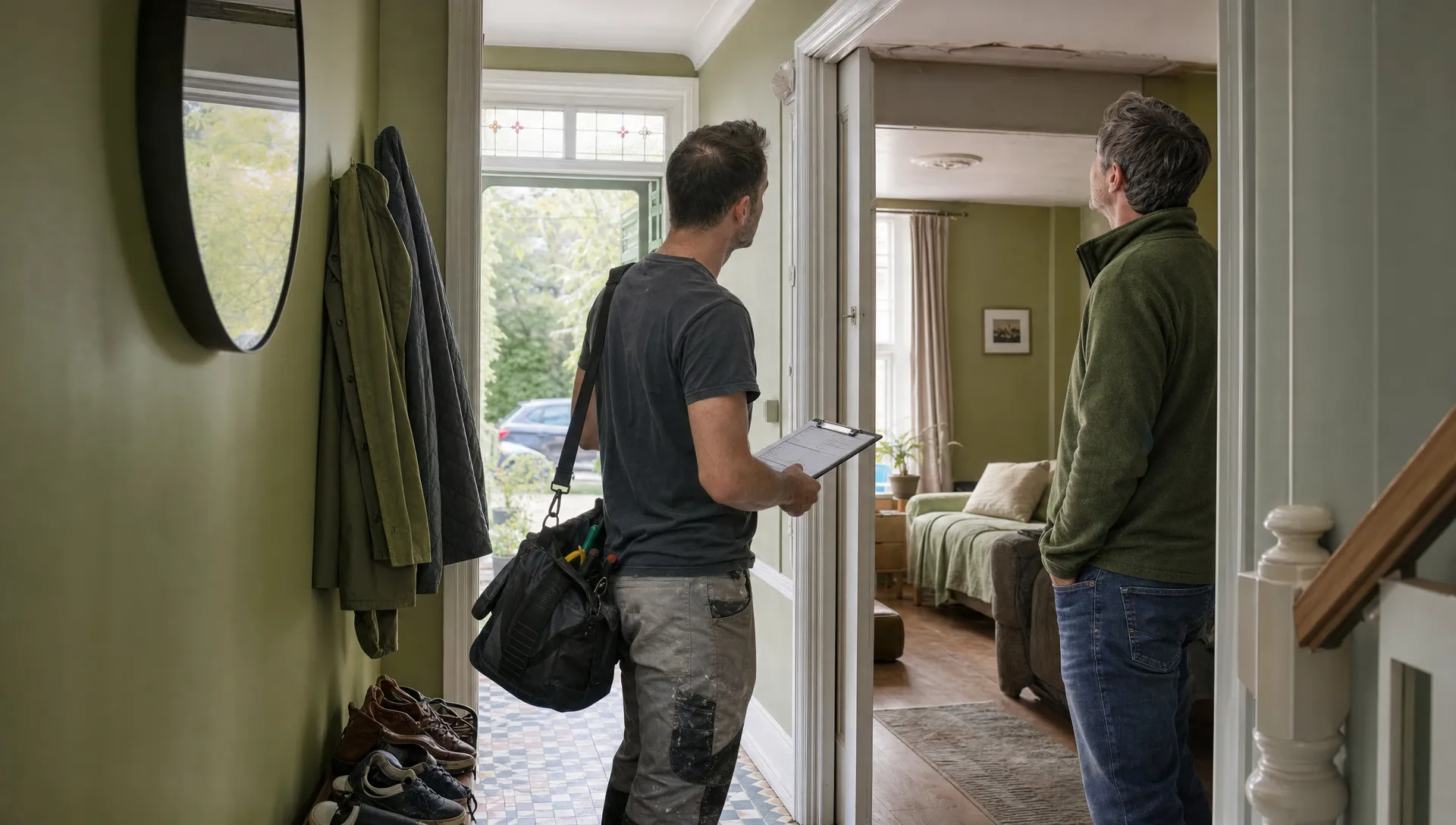
Need help with a job?

Find affordable tradespeople

Need help with a job?

HaMuch is Excellent

Currently Viewing Posts in Plasterer

Ceiling Sagging or Bulging in One Spot

Ceiling Sagging or Bulging in One Spot

A ceiling that is sagging or bulging in one spot is usually a sign that something above it has changed. In many homes, the cause is water collecting above the plasterboard after a leak. In other cases

A ceiling that is sagging or bulging in one spot is usually a sign that something above it has changed. In many homes, the cause is water collecting above the plasterboard after a leak. In other cases, the plaster has failed, an old patch has come loose or there is movement in the timber structure above.

The main thing is not to panic, but not to ignore it either. A small bulge can turn into a collapsed section of ceiling if it is wet or getting heavier. Your first job is to make the area safe, then work out which trade is most likely to fix the cause.

First, make the area safe

If the ceiling is bowed, cracked, dripping or growing in size, treat the area underneath it as unsafe until someone has checked it.

  • Move people, pets and valuables away from directly below the bulge.
  • If water is dripping or the bulge is getting bigger, turn off the water at the stop tap if it is safe to do so.
  • If the bulge is near a light fitting, smoke alarm or extractor fan, do not touch switches or wet fittings. Turn off the affected circuit at the consumer unit only if the unit is dry and safe to reach.
  • Put towels or a bucket nearby to catch drips, but do not stand under the sagging area.
  • Do not poke, cut or drill into the bulge. It may release dirty water suddenly or bring part of the ceiling down.

If water has reached electrics, you may need an electrician as well as the trade fixing the leak. HaMuch lets you compare local electrician rates before you book someone, which is useful if you need a safety check after the immediate issue is under control.

What a sagging ceiling usually means

A ceiling bulging in one spot is most often caused by weight. That weight could be trapped water, damp plaster, failed fixings or a section of plasterboard that has lost its strength.

A wet bulge often has a yellow or brown stain, a soft patch, bubbling paint or active dripping. A dry sag may look like a smooth dip, loose lining paper, cracked plaster or a section that flexes when nearby floorboards are walked on upstairs.

The cause matters because the person who repairs the ceiling is not always the same person who fixes the underlying problem. For example, a plumber may stop the leak, then a plasterer repairs the damaged ceiling once it has dried.

Quick guide: likely causes and who to call

What you can see Likely cause Trade to call first
Wet stain, drip or growing bulge below a bathroom, toilet or airing cupboard Leaking pipe, waste pipe, bath seal, shower tray, toilet cistern or heating pipe Plumber, or heating engineer if it is part of the central heating system
Brown patch after heavy rain, often near an outside wall, chimney breast or loft area Roof leak, blocked gutter, flashing issue or rainwater getting in Builder who handles roof repairs, or a roofer if roof access is needed
Dry sag with cracks but no fresh staining Failed plasterboard, old lath and plaster, poor previous repair or old water damage Plasterer, sometimes a builder
Sagging ceiling with cracks in walls, sloping floor above or doors suddenly sticking Possible joist movement, rot, overloading or structural movement Builder, and possibly a structural engineer
Repeated damp, mould and soft ceiling near a cold corner or poorly ventilated room Condensation, poor ventilation or hidden damp Ventilation and AC engineer, plasterer or builder depending on the cause

If the bulge is wet or dripping

A wet bulge is usually the most urgent version of this problem. The ceiling material can become heavy very quickly, especially if water is still entering from above. In a two-storey home, the most common sources are bathrooms, shower rooms, toilets, radiators and pipework under floorboards.

If the bulge is below a bathroom, a plumber is normally the first trade to call. They can trace leaks from bath wastes, shower traps, toilet cisterns, flexible hoses and concealed pipework. If you are trying to choose someone quickly, HaMuch has a practical guide on how to find a reliable plumber, including what to check before you agree to work.

You can also compare local plumber rates on HaMuch. This is especially useful in London, Birmingham and Manchester, where call-out availability and hourly rates can vary widely by area and urgency.

If the water appears after heavy rain, the cause may be above the ceiling rather than inside the plumbing system. A roof leak, damaged flashing, blocked valley gutter or overflowing guttering can all show as a single stained or bulging patch indoors. A builder who deals with roof repairs can often inspect the internal damage and advise whether a roof specialist is needed.

If the bulge is dry and not changing

A dry sagging ceiling may be less urgent than an active leak, but it still needs checking. Old plaster can detach from timber laths, plasterboard fixings can fail and previous leak damage can leave a weak area even after the ceiling has dried.

A plasterer is usually the right trade if the issue is limited to the ceiling finish, skim coat or plasterboard. They can cut out damaged sections, reboard where needed and skim the repaired area. You can compare local plasterer rates before requesting quotes, rather than relying on vague estimates.

Be careful with older textured ceilings. In UK homes built before 2000, some textured coatings and older building materials may contain asbestos. The Health and Safety Executive advises that asbestos can be present in buildings built or refurbished before 2000. Do not sand, scrape or drill a suspicious textured ceiling until a competent person has advised you.

When it could be structural

Most one-spot ceiling bulges are caused by water or plaster failure, but structural issues are possible. This is more likely if the ceiling sag is accompanied by fresh cracks, a noticeable dip in the floor above, doors that have started sticking, or movement after building work such as removing a wall.

A builder is the right starting point when there may be a problem with joists, rot, movement or unsupported loads. For more serious movement, they may recommend a structural engineer before repair work starts. You can check builder rates on HaMuch to understand typical local pricing before arranging visits.

If a structural beam is ever discussed as part of the solution, HaMuch also has an RSJ cost guide that explains the factors that affect this type of work. Not every sagging ceiling needs anything close to that level of repair, but it is useful background if a builder raises the subject.
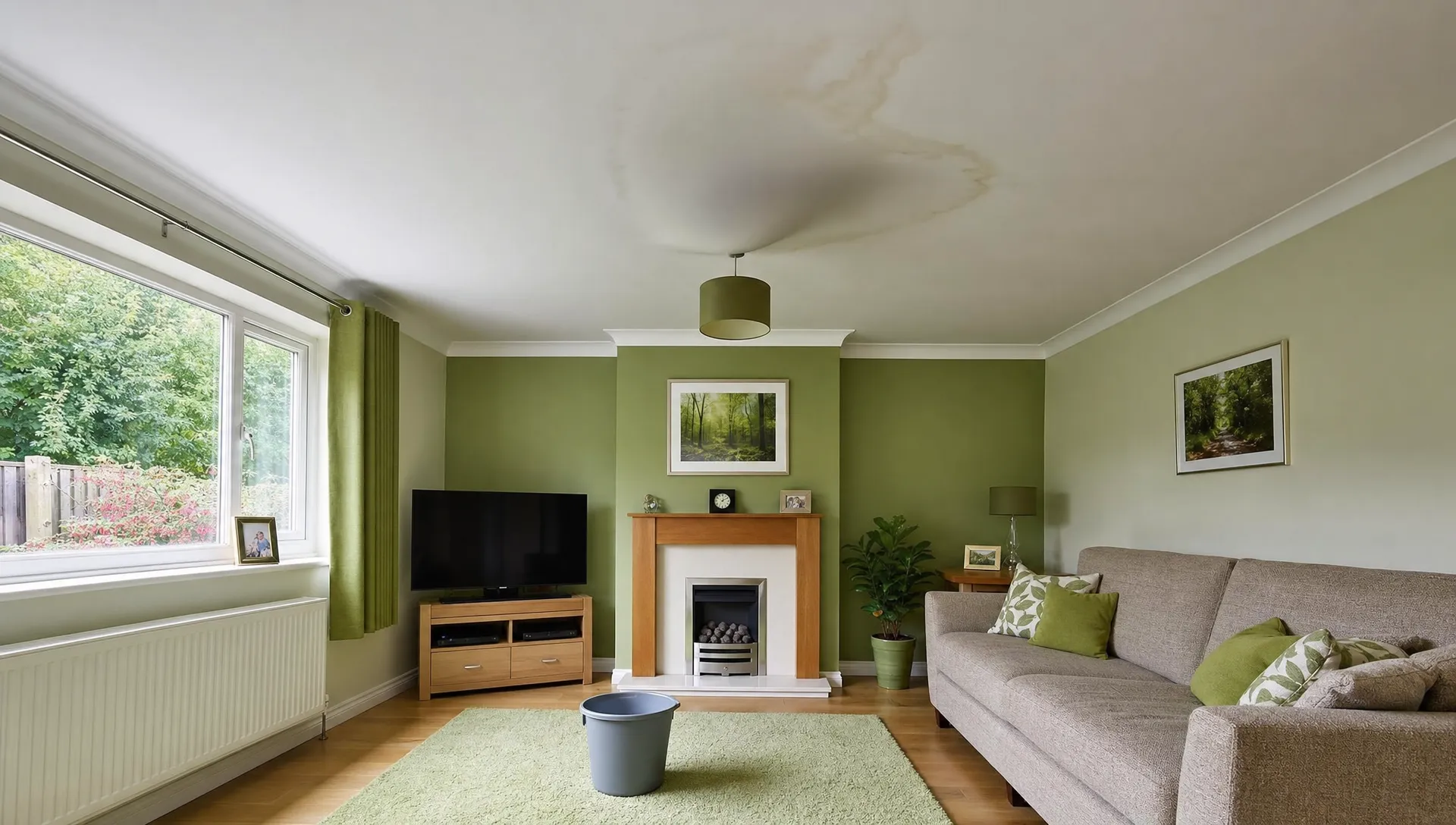
A British living room with a bulging plasterboard ceiling, faint water stain and a bucket nearby while furniture has been moved back.

Will the ceiling need replacing?

Not always. A small dry crack or loose patch may only need local repair. A wet plasterboard ceiling, however, often needs the damaged section cut out and replaced once the leak has been fixed and the area has dried.

The repair usually follows this order:

Stage What happens Typical trade
Stop the source Leak, rainwater entry or damp cause is traced and fixed Plumber, heating engineer, builder or roofer
Make electrics safe if affected Light fittings, switches or circuits are checked after water exposure Electrician
Dry the area Damp materials are allowed to dry so damage can be assessed properly Homeowner, landlord or drying specialist for larger leaks
Repair the ceiling Damaged board or plaster is removed, replaced, skimmed and made ready for decorating Plasterer or builder
Redecorate Stain blocking, painting and finishing are completed after drying Painter and decorator

Trying to paint over a stained or bulging ceiling before the cause is fixed usually wastes time. The stain can come through again and a damp ceiling may continue to weaken behind the surface.

What landlords and property managers should do

For rental properties, a ceiling bulge should be treated as a repair that needs prompt assessment, particularly if a tenant reports water, cracking or a growing patch. Ask for clear photos, check whether the area is below a bathroom, kitchen, roof space or flat above and tell the tenant not to stand under the affected section.

If there is active leaking, arrange the relevant trade as soon as possible and document the timeline. If electrics have been exposed to water, an electrician should confirm whether the affected fittings or circuits are safe before the tenant uses them again.

Using HaMuch can help landlords compare real trade rates by area before booking, which is helpful when managing properties across different locations such as Greater London, the West Midlands or Greater Manchester.

How to describe the job when asking for quotes

Clear information helps tradespeople decide whether the job is urgent and whether they are the right person to attend. When you request quotes, include the room affected, what is directly above it and whether the bulge is wet, stained, dripping or changing size.

Photos are helpful, but take them from a safe distance. Include one wider room photo and one closer photo of the affected area without standing directly underneath it. If there is a bathroom, loft, tank cupboard or radiator above, mention that too.

You do not need to diagnose the problem perfectly. A good job description might be: ceiling bulging in living room below upstairs bathroom, brown stain and occasional dripping, water turned off. That tells a plumber the issue may be urgent and helps a plasterer understand that ceiling repair may be needed after the leak is fixed.

Why comparing prices matters before booking

Ceiling problems often involve more than one trade, so it helps to know what local rates look like before you start agreeing to work. A plumber may attend first, then a plasterer, builder, electrician or decorator may be needed depending on the damage.

HaMuch is built around transparent pricing. Instead of hiding costs until after you have contacted someone, it shows comparable hourly and daily rates by trade and UK location, along with local listings and customer reviews. Homeowners can use it free, request quotes and compare before deciding whether to book.

That is particularly useful for urgent home repairs, because urgency can make it harder to judge whether a quote sounds fair. Seeing real local pricing helps you have a calmer, more informed conversation with the tradesperson.

Frequently asked questions

Is a sagging ceiling dangerous? It can be, especially if it is wet, growing, cracked or directly below a known leak. Move away from the area and get it checked quickly. A dry, stable sag may be less urgent, but it should still be inspected.

Should I pop a bulging ceiling to let the water out? No. Do not puncture or cut into a bulging ceiling yourself. Water may pour out suddenly, damaged plasterboard may collapse and there may be electrical fittings nearby.

Who should I call first for a ceiling bulging in one spot? If it is wet or below a bathroom, call a plumber first. If it appeared after rain, call a builder or roofer. If it is dry and looks like failed plaster, call a plasterer. If there are wider cracks or floor movement, call a builder and possibly a structural engineer.

Can I claim on home insurance for a sagging ceiling? You may be able to claim if the damage is from a sudden escape of water or storm damage, but policies vary. Take photos, keep invoices and speak to your insurer before removing large areas if the situation is safe enough to wait.

Does the whole ceiling need to come down? Not always. Localised damage can often be cut out and repaired. A larger replacement may be needed if plasterboard is saturated, fixings have failed across a wide area or older plaster is coming away from the structure.

Need someone to check a sagging or bulging ceiling?

If the ceiling is actively dripping, bulging further or near electrics, treat it as urgent: move everyone away from the area, turn off water or power only if safe and request help straight away.

You can post your ceiling repair job on HaMuch to compare local tradespeople, check transparent pricing and request quotes with no obligation to book. Describe what you can see, upload photos if you can do so safely and choose the right trade for the problem in your home.
Cracks Appearing Above a Door Frame

Cracks Appearing Above a Door Frame

Spotting cracks above a door frame can be unsettling, especially if they seem to have appeared overnight. The good news is that many cracks in this area are minor plaster movement, not a serious struc

Spotting cracks above a door frame can be unsettling, especially if they seem to have appeared overnight. The good news is that many cracks in this area are minor plaster movement, not a serious structural problem. But because doorways are weak points in a wall, some cracks do need a closer look.

This guide explains the most common causes of cracks above door frames, what warning signs to check for, and which trade to call. If you decide to get the crack inspected or repaired, HaMuch helps you compare local tradespeople with transparent, comparable pricing, so you are not guessing before you ask for quotes.

First, check what type of crack you have

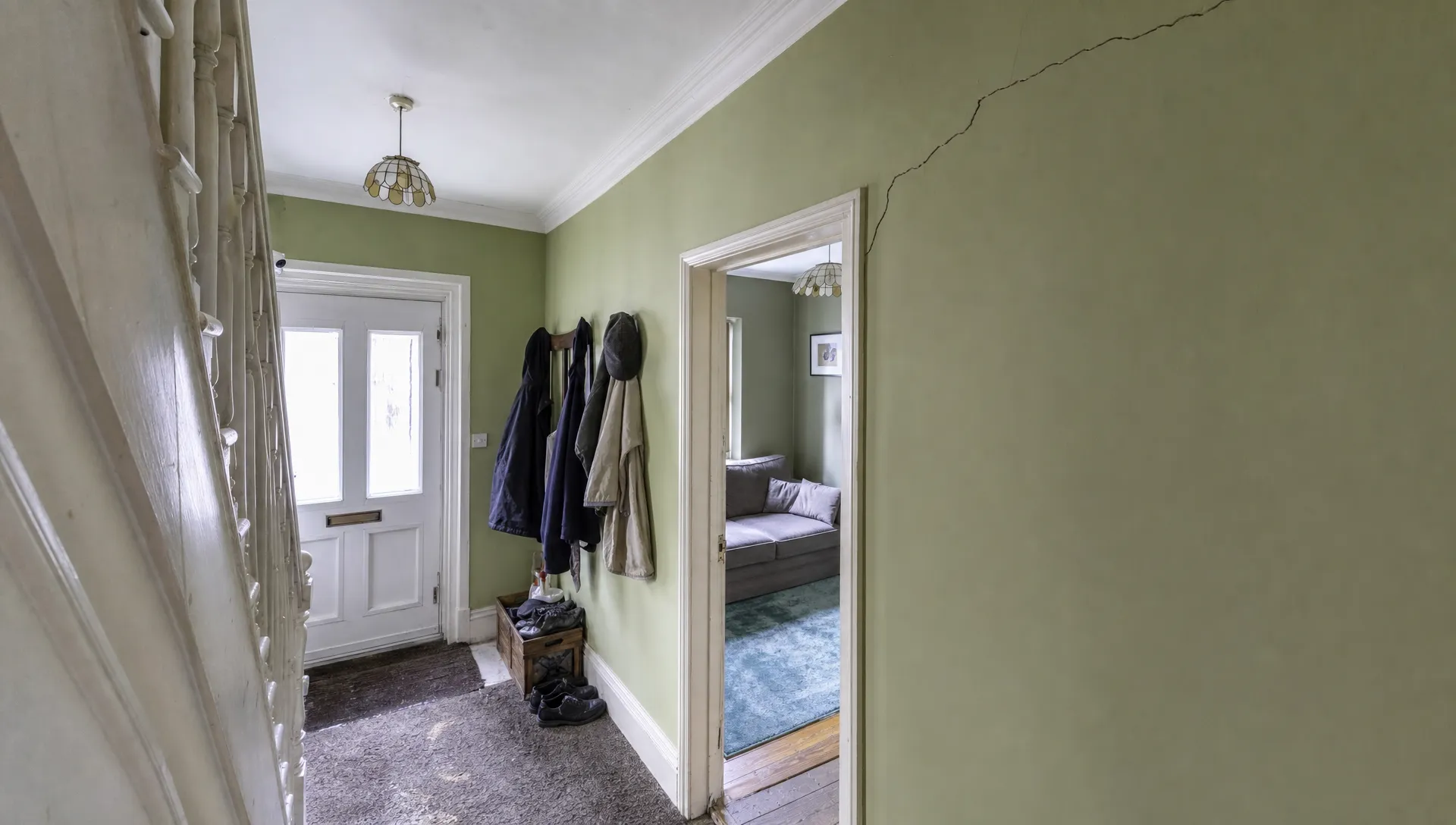
Before you start worrying about major movement, take a calm look at the crack and the area around it. A thin hairline crack in the plaster is very different from a wide, jagged crack that runs through the wall and keeps growing.

Look for these clues:

  • Width: Is it a hairline crack, or can you fit the edge of a coin into it?
  • Direction: Does it run straight up, diagonally from the corner of the door, or across the wall?
  • Change over time: Has it stayed the same, or is it getting longer or wider?
  • Door movement: Has the door started sticking, rubbing, or not closing properly?
  • Other signs: Are there cracks outside, damp patches, sagging plaster, or gaps around skirting boards and architraves?

If the crack is thin, dry and stable, it is often a plastering or decorating issue. If the crack is widening, the door is sticking, or there are matching cracks on nearby walls or outside brickwork, a builder or structural professional may need to inspect it.

Why cracks often appear above door frames

Door openings naturally create a break in a wall. That means stress is more likely to show around the corners of the opening, especially above the frame. This is why cracks above door frames are common in older houses, newly plastered rooms, extensions and properties that have had layout changes.

The key is not just where the crack is, but what else is happening around it.

1. Normal plaster shrinkage or settlement

Small cracks above a door frame are often caused by normal drying, shrinkage or minor settlement. This is especially common after recent plastering, decorating, refurbishment, or building work.

You might notice:

  • A thin, straight or slightly diagonal hairline crack
  • No damp staining
  • No sticking door
  • No matching crack on the other side of the wall
  • No sign that the crack is widening

This type of crack is usually dealt with by a plasterer or painter and decorator. A plasterer can rake out and refill the crack properly if the surface has failed, while a decorator may be enough if it is only a fine surface crack before repainting.

The important point is to wait until you are confident the crack has stopped moving. Filling it too soon can mean it reappears quickly.

2. Movement around the doorway opening

A doorway is one of the weaker points in a wall because material has been removed to create the opening. Over time, tiny movements can show at the top corners of the frame. This does not automatically mean the wall is unsafe, but it is worth monitoring.

This can happen in older homes where the building has settled over decades, or in busy areas of the home where doors are opened, closed and sometimes slammed every day. You may also see fine cracks where the architrave meets the wall or where old filler has failed.

A plasterer can usually repair the finish if the wall itself is stable. If the crack is repeatedly coming back after repair, or if the door lining looks out of square, it may be better to ask a builder to inspect the opening first.

3. Door frame or timber movement

Sometimes the problem is not the wall itself, but the timber door frame, lining or architrave moving slightly. Timber expands and contracts with changes in temperature and moisture. New doors, newly fitted frames, or older timber that has dried out can all create small gaps and cracks where the plaster meets the frame.

Common signs include a crack tight against the door frame, a gap between the architrave and wall, or a door that rubs in one season but not another. If the frame is loose, twisted or poorly fitted, a carpenter and joiner is usually the right person to call. Once the timber issue is sorted, a plasterer or decorator can make good the surrounding finish.

If the door is suddenly badly sticking and the wall above it is cracking, treat that as a bigger warning sign and speak to a builder rather than assuming it is only joinery movement.

4. Lintel or support movement above the doorway

Most door openings need some form of support above them. This may be a lintel, timber support, steel beam, or another structural arrangement depending on the age and construction of the property. If that support is missing, undersized, damaged or disturbed by previous building work, cracks can appear above the frame.

Signs that the issue could be structural include:

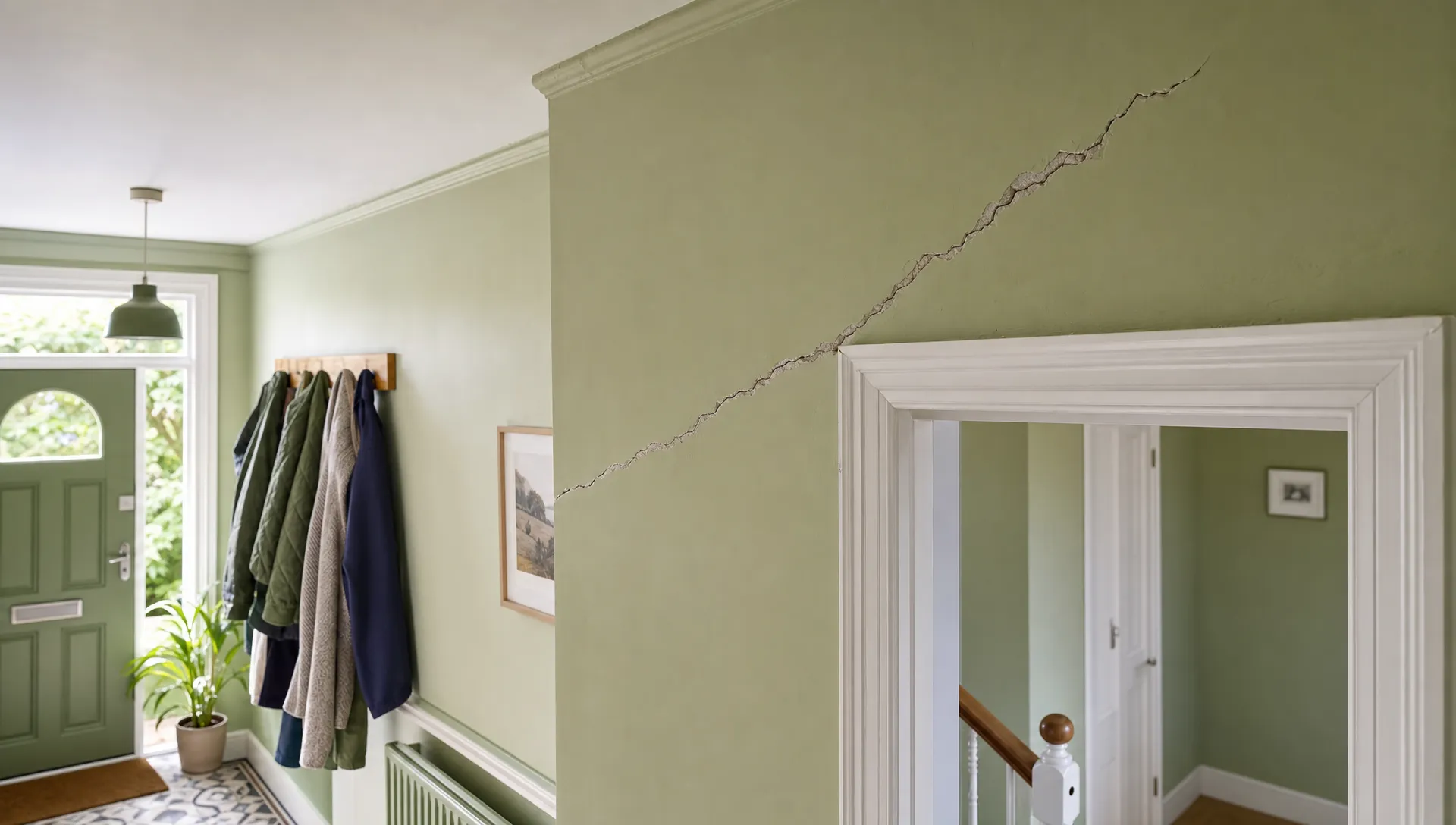
  • A diagonal crack starting from the top corner of the frame
  • Cracks on both sides of the same doorway
  • A crack that keeps widening
  • The wall or plaster above the door looking bowed or uneven
  • A door that has started jamming at the top
  • Cracking near a wall that has been removed or altered

A builder is usually the first trade to contact for this kind of issue. They can assess whether the opening needs repair, reinforcement, or further investigation by a structural engineer. If the problem relates to a steel beam or a widened opening, HaMuch's guide to RSJ installation costs is a useful next step for understanding what may be involved.

For structural alterations, Building Regulations may apply. The UK Planning Portal guidance on internal walls and Building Regulations explains why load bearing walls and supports need proper care.

5. General house movement or subsidence

Most cracks above door frames are not subsidence. However, wider or spreading cracks can sometimes point to wider movement in the property, especially if they appear alongside other signs.

Take extra care if you notice cracks running through external brickwork, gaps opening around windows, sloping floors, or several doors and windows sticking at once. In that situation, a builder may still be your first practical contact, but you may also need advice from a structural engineer or building surveyor.

If you are a landlord, do not ignore repeated or worsening cracks in a rental property. Record the issue, take dated photos, and get it assessed promptly, especially if tenants report doors sticking or plaster falling away.

6. Damp, leaks or blown plaster

A crack above a door frame can also be linked to moisture. This is more likely if the plaster looks stained, soft, bubbling, powdery or darker than the surrounding wall. The cause might be a leak from above, a bathroom issue, roof defect, guttering problem, or condensation affecting the plaster.

If there is active water or damp staining, fix the moisture source before repairing the crack. A plumber is usually the right trade if the water is coming from pipework, a bathroom, or a heating system. A builder or roofing specialist may be needed if the water is coming through the roof, wall, guttering or external fabric.

Once the area has dried properly, a plasterer can repair the damaged surface. If you only fill and paint over damp plaster, the crack or stain is likely to return.

Quick guide: what the crack may mean and who to call

What you can see Most likely cause Who to call first
Thin hairline crack, no movement, no damp Plaster shrinkage or minor settlement Plasterer or painter and decorator
Crack tight against the frame or architrave Timber frame movement or poor fit Carpenter and joiner, then plasterer if needed
Diagonal crack from the top corner of the door Movement around opening or possible lintel issue Builder
Crack is getting wider or door is sticking Possible structural movement Builder, possibly structural engineer
Damp stain, bubbling paint or soft plaster Leak or moisture damage Plumber, builder, then plasterer
Cracks inside and outside in the same area Wider building movement Builder or structural engineer

A UK hallway shows a diagonal plaster crack above an internal door frame, with coats, skirting boards and natural daylight nearby.

How to tell whether the crack is getting worse

If the crack does not look urgent, monitor it before spending money on a repair. This is especially helpful for landlords and homeowners who need to explain the issue clearly when requesting quotes.

Take a photo from the same position every week or two. Place a ruler or coin nearby for scale, but do not damage the wall. You can also make a tiny pencil mark at each end of the crack with the date, as long as the wall finish allows it.

Check whether the door still opens and closes normally. If it begins to rub, latch poorly, or stick at the top, that is useful information for a tradesperson. Also look at the other side of the wall and the outside of the property if the doorway is near an external wall.

If the crack changes quickly, plaster starts falling away, or the door becomes difficult to use, do not just fill it. Get it inspected.

Can you repair cracks above a door frame yourself?

You may be able to repair a very fine, stable surface crack yourself if you are confident there is no damp, no movement and no door problem. A basic cosmetic repair usually involves opening the crack slightly, filling it with a suitable filler, sanding, priming and repainting.

However, DIY filler is not the right answer if the crack keeps returning. It also will not solve a loose frame, failed lintel, damp plaster, or movement in the wall. In those cases, filling the surface simply hides the clue rather than dealing with the cause.

For a neat finish, a plasterer or decorator will usually get a better result, particularly if the crack is in a visible hallway, living room or rental property. For suspected movement, start with a builder before paying for cosmetic repairs.

What affects the cost of fixing cracks above a door frame?

The cost depends on what is causing the crack, not just the crack itself. A small plaster repair is very different from investigating a possible support issue above an opening.

The main cost factors are the trade needed, the size of the affected area, whether the cause is still active, how easy the wall is to access, and how much making good is required afterwards. In London, Birmingham, Manchester and surrounding areas, labour rates can vary by location and demand, so it is sensible to compare current local rates before booking.

HaMuch publishes transparent trade pricing so you can check what local tradespeople charge rather than relying on vague estimates. For example, you can compare current builder rates if the crack may involve movement above the opening, or check plasterer rates if it looks like a surface repair.

If damp is involved, compare plumber rates before arranging leak investigation or repair. The final plastering and decorating should usually wait until the source of moisture has been fixed and the wall has dried.

What to tell a tradesperson when asking for a quote

A clear job description helps you get better quotes and avoids wasted callouts. You do not need to diagnose the problem yourself, but you should describe what you can see.

Useful details include:

  • Where the crack is and which room it is in
  • Whether it is above an internal or external doorway
  • How long it has been there
  • Whether it is getting longer or wider
  • Whether the door sticks or the frame has moved
  • Whether there is damp staining, bubbling paint or soft plaster
  • Whether any building work has been done nearby
  • Whether there are matching cracks outside or on the other side of the wall

Photos are especially helpful. Include one close enough to show the crack and one wider photo showing the whole doorway and surrounding wall. This helps a builder, plasterer or carpenter understand the context before quoting.

When should you act quickly?

You do not need to panic about every crack above a door frame. But you should arrange an inspection sooner rather than later if the crack is widening, the door is suddenly sticking, plaster is bulging or falling away, or there are cracks on both sides of the wall.

Act promptly if there is damp staining or active water, because moisture can damage plaster, timber and finishes. If you are dealing with a rental property, it is also better to address visible cracks early, before tenants become concerned or the damage spreads.

If you are unsure whether the issue is cosmetic or structural, choose a builder for the first visit. They can tell you whether a plasterer, carpenter, plumber, or structural engineer is needed next.

Frequently asked questions

Are cracks above door frames serious? Not always. Many are minor plaster cracks caused by shrinkage, settlement or movement around the frame. They become more concerning if they widen, run diagonally, appear with sticking doors, or match cracks elsewhere in the property.

Why do cracks start at the corner of a door frame? Corners of openings are stress points in a wall. Small movements often show there first, which is why cracks commonly appear from the top corner of a door or window.

Should I call a builder or plasterer for cracks above a door frame? Call a plasterer if the crack is fine, stable and cosmetic. Call a builder if it is widening, diagonal, linked to a sticking door, or could involve the support above the opening.

Can a sticking door be linked to wall cracks? Yes. A sticking door can mean the frame has moved, the timber has swollen, or the wall around the opening has shifted. If the sticking appears at the same time as new cracking, get it checked.

Should I repair the crack before selling or renting out a property? It is usually better to understand the cause first. A neat cosmetic repair is fine for a stable plaster crack, but repeated or widening cracks should be inspected and properly fixed before decorating.

Compare local tradespeople before you book

If you have cracks above a door frame and are not sure who to call, post the job on HaMuch. Describe the crack, add photos, and compare local builders, plasterers, carpenters or plumbers depending on the likely cause.

HaMuch is free for homeowners to use and there is no obligation to book. You can compare real local pricing, check customer reviews, and choose the right tradesperson with more confidence before the work starts.

Builders and Plumbers in the southeast 25 times more expensive

Regional / local: The UK’s cheapest tradesmen are in Birmingham / Nottingham / Nuneaton / Blackwood / Doncaster

  • North-south divide in builder costs as much as £240-per-hour
  • Surrey and London most expensive for tradesmen/women
  • Midlands offers best value to homeowners, according to HaMuch.com

A new data survey by building work pricing site HaMuch.com has revealed the stark differences between the southeast and the rest of the UK when it comes to the cost of building work. The divide appears to be drawn at Watford Gap, with the Midlands offering best value, whilst Surrey and London have the most expensive tradesmen.

The spread of prices for common household jobs across the recently-launched website’s 12,000 tradesmen ranged from £10-per-hour to an incredible £250-per-hour, with builders in Surrey charging as much as 25-times more than their counterparts in Nottingham. Plumbers in Surrey also charged an eye-watering 20-times more than those in Caerphilly. Meanwhile, hiring an electrician in London could cost you £250-per-hour, compared with a bargain basement £10-per-hour in Birmingham. 

The startling prices were uncovered by the data processing team for https://www.hamuch.com as part of their efforts to ensure that homeowners know the cost of jobs up-front. The website lists a labour cost for each tradesman/tradeswoman listed on the service and allows homeowners to search trades in their area by cost, so that no one busts their budget building an extension to having a boiler serviced. So if you are searching ” heating engineer near me

“We knew there was a wide disparity in charges between the southeast and the rest of the UK, but we were shocked just how wide that was”, says HaMuch.com founder Tarquin Purdie. “The prices show that the market can take a lot in the southeast, whereas rates in parts of the Midlands and north may not have increased for several years. It is certainly something that will make the industry and even government ministers sit up and pay attention.

“We are committed to making sure homeowners and renters alike know the cost of a job before they even approach a plumber or a painter. Not all builders and trades will like it, but we think that the best are only too happy to be honest and up-front on costs.”

The most inexpensive painter and decorator and carpenter both charged £10-per-hour and were in Nuneaton and Doncaster respectively. The most costly were in Brighton and Islington, at £150 and £100. 

The full breakdown of low and high prices is as follows:

Building work: Cheapest, £10-per-hour in Nottingham, East Midlands. Most costly, £250-per-hour in Camberley, Surrey.

Electricians: Cheapest, £10-per-hour in Birmingham, West Midlands. Most costly, £250 in Edgware, London. 

Plumbing:  Cheapest, £10-per-hour in Blackwood, Caerphilly. Most costly, £200-per-hour in Addlestone, Surrey. 

Painting and decorating: Cheapest, £10-per-hour in Nuneaton, Warwickshire. Most costly, £150-per-hour in Brighton, East Sussex. 

Carpenters: Cheapest, £10-per-hour in Doncaster, South Yorkshire. Most costly, £100 in Islington, London. 

A Guide to Skimming a Wall: A Breakdown of Costs

Wall repairs

With the summer sun comes brighter, longer days — the perfect time to implement new inspirations and ideas in your home. Whether you have just purchased a brand new home or you are thinking of renovating your current one, chances are at some point your walls will need an overhaul. This may include re-plastering the wall, and painting or adding new wallpaper.

While it may not be noticeable, minor defects arise through the everyday use of your walls, and heat and condensation are two major contributing factors of deterioration. Renovation, therefore, is necessary not just for aesthetic purposes, but also to improve the overall health of your living space. In this guide, you will find valuable tips on skimming a wall, the costs involved and the best materials to use.

Should I Skim a Wall Myself?

With a little skill and experience, home improvements can be done yourself. However, this requires much planning, time and effort — and a lot can go wrong. Such tasks are best left to the experts, who have the long-term skill and experience to get the job done effectively and produce the perfect finish. There are plenty of plasterers in London and all over the UK that are available to help at an affordable price. However, if you’re set on giving it a go yourself, check out our top tips for a job well done.

What Is the Best Material to Skim a Wall?

Choosing the correct plaster is essential for a long-lasting, healthy wall. Before renovating your home, your plasterer will most likely ask which room in the house the wall in question is in. The plaster that you’ll need to use will depend on the surface of the wall itself — if the wrong plaster is used, you risk being threatened by mould.

Due to their moisture-regulating properties, gypsum-based adhesive plasters are best for indoor use. For wetter rooms such as bathrooms, it is better to resort to lime cement-based plasters. Using a gypsum-based plaster in your bathroom could cause mould due to regular high levels of condensation. If you’re being plagued by mould, it’s a good idea to get rid of it before plastering your walls.

Both types of plaster are available as ready mixes, which only have to be mixed with water.

How to Skim Coat a Wall

To skim a wall, you will first need a shovel. This should be made from stainless steel, or else the plaster may cause rust spots. A shovel is used to raise the plaster and to work around the areas on windows and door frames. A sponge board is also needed to felt the plaster surface during the setting process.

To create the right consistency for your plaster mix, apply water in the middle of the dry plaster. The plaster will then need to be mixed under high pressure while using the shovel. At this stage, the mixing must be done very quickly to avoid the plaster drying up.

Now it’s time to prepare your wall! The preparatory work must be done carefully to save you a lot of work later on. Before applying the plaster mixture, remove any dirt and loose particles from your wall. When plastering an old building wall, it’s also important to first use a brush to wet the surface so that the plaster will last longer.

When applying the plaster to your wall, begin by using a cleaning gauge to apply the plaster evenly. Once dried, any stains and bumps can be finished with sandpaper.

If you are planning to paint your wall or add wallpaper, you should only do this when the plaster has fully dried and hardened. It is critical to follow the manufacturer’s instructions for your chosen plaster, because the materials used can affect the drying process.

How Much Does It Cost to Skim a Wall? Labour Costs and Materials

Like most handyman jobs, the cost of skimming a wall will depend on how big the job is. There will likely be a minimum cost per job, which you can see outlined in the table below.

You can also check out Hamuch.com, where you will find an extensive list of experienced plastering companies in London. Our database of experienced plasterers also includes regularly updated hourly and daily prices, allowing you get an accurate estimate for the job you need.

Description

Price

Duration

Patch Repair

£150

2 – 3 Hours

Whole Wall

£200

3 – 4 Hours

Whole Room

£300

6 – 8  Hours

Are you looking for a plasterer in London for your wall-skimming needs? We only list fully vetted and qualified traders, giving you peace of mind that any job you need will be completed to a high standard and at a competitive cost. Find a tradesman in your area and get an instant quote today!

Home Improvement on a Budget: Add Elegant Crown Molding

Add elegant crown molding for home improvement on a budget

Today’s households include mouldings in innumerable forms. Mouldings offer elegance and class to home settings. Each mould is intended for a precise purpose, whether it be framing a door or window in order to make it look more modern or offering a visual alteration at the connection between walls and floors. There are so many types of mouldings that decorate our homes in today’s time that it’s challenging to differentiate between them.

Types of Moulding

Moulding of the walls or ceilings is a modern way of making the walls appear wider or narrower, depending on how the molding is done. The term “trim” is often used when going through the process of moulding. If you’re one to enjoy repairing or installing staircase parts, fireplace mantles or paneling, you will find a broad range of trims that fit right into your area of interest.

Trim includes pretty much any form of practical decorative component one can think of, whether it’s window and door casings, baseboard, picture rail, chair rail, columns, pilasters, celling medallions, fireplace surroundings, etc. You want to make sure to not go overboard with the trimming when moulding the interiors of your home though, as too much moulding might end up giving your home a completely opposite look to what you were aiming for.

Wall moulding can include a complete wall or just a part of it. It can be created using panels, frames, bead board, battens and plywood, all contingent on the final style you are aiming for.

Crown moulding includes a host of mouldings designed to give a flaring edge touch to the walls. This process is generally used to cap walls, cabinets and plasters. It’s used extensively for interior home designs. It is also known as “cornice moulding”.

Wood mouldings include different types of wood that you can choose from. As such, you want to have knowledge regarding the different types of wood that are available in the market. Certain woods are harder than others, some easier to maintain than others. You want to make sure the type of wood you choose for your home setting will not be easily susceptible to damage due to the weather.

Door mouldings include setting up designs around the doorframe. Exterior casing is often used to trim the exteriors of windows and doors. Similar to door moulding, window moulding includes designing around the window frame. Panel moulding is an option that refers to trimming out raised-panel constructions on your window panels or frames.

There are several well trusted companies that do excellent moulding work for homes. Décor Mouldings are quite well known and offer modern designs of moulding that can be suitable for your home.  

Keep in mind that your home will look best if the entire trim work follows a single architectural style rather than a whole range of styles. You want to attain a look of unity within the home’s interior.

If you are unable to find reliable professionals to help get your moulding done around your house, do refer to hamuch.com for great rates on experienced professionals.

First time buyers: Top Five Tips to Avoid Homeowner Hassles

Gas

Buying your first house can be a stressful experience. Once all of the legal dealings are out of the way, and you’ve popped the cork on your ‘welcome to your new home’ bottle of champagne, the reality sets in – everything from the bricks and mortar to the knives and forks are now your responsibility.
We at HaMuch have put together our top five tips to help make your first home run like a dream.

1. Find the essentials

When you first move in, it can be tempting to focus on where the TV will go and what colour the spare bedroom will be, first make sure you find the essentials. Locate your gas and electricity meters, the fuse box, and the stopcock on day one. Once all your boxes are unloaded from the moving van, you should take readings from your meters, as your suppliers will need this information, and it will avoid you getting over charged.
If you can find your fuse box in the dark and can access (and shut off) your stopcock valve quickly, you will be covered for most major emergencies. When you need the services of an electrician or a plumber, they will ask you where these are, so it’s handy to tell them straight away.

A fresh coat of paint or new wallpaper can help to make it your own

2. Put your own stamp on it

One of the best things about owning your own home is that you can decorate it the way you like. A fresh coat of paint or new wallpaper can help to make it your own. If you’re not keen to get out the pasting table or paint brushes, it’s worth finding a good local decorator who can work their magic on your walls and get the look you want.
If you peel back the paper to reveal a cracked or problematic wall, a good plasterer should be able to skim it for you, making it the perfect surface to paint. You can then hang your mirrors, pictures and shelves to your heart’s content.

Find trusted certified tradespeople in your area

3. Make friends with tradespeople

You’ve committed a lot of money to your new home, so it’s easy to become nervous when jobs too complicated for DIY need doing. Find trusted, certified tradespeople in your area, so you won’t need to worry next time your boiler needs servicing or you need a new plug socket.
Make sure your electrician is regulated to meet UK safety standards, your plumber is WIAPS approved and your gas engineer is on the Gas Safe Register. You can check all of this information from HaMuch when finding a tradesperson.

Double-glazing will also save your money long term on your heating bills

4. Check your security

When you first move in, it is worth making sure you’re happy that the doors and windows are secure. Consider changing the locks if the house is not a new build, or replacing the windows if they’re not double-glazed. This will make your home feel safer and give you peace of mind. Double-glazing will also save you money long term on your heating bills.
You may also choose to invest in a burglar alarm or security lights to help keep your home safe when you’re away. Make sure you choose a reputable company to fit these to make sure you get a reliable service.

A good local gardener on the case will help you fool the neighbour into thinking you're Monty Don with minimum effort

5. Consider the extras

If your house or garden is large, or if you’re working full time, think about hiring a cleaner or a gardener to help keep your house looking its best. It can lift your spirits considerably to come home to a spotless house, and having a cleaner to look after this for you can take a load off your mind.
Gardens can start to look drab without regular TLC, and if you’re not green-fingered, this can start to feel like a chore. Getting a good local gardener on the case will help you fool the neighbours into thinking you’re Monty Don with minimum effort.

HaMuch has more than 11,000 trusted local tradespeople who can help with every homeowner hassle.

How to Avoid Kitchen Sink Dramas

Check costs by the hour

House maintenance can seem like an endless battle with homeowners banging their heads against the wall when it feels like yet another repair needs doing, or the boiler is on the blink – again!

Whatsmore, homeowners tend to agree that finding the right tradesperson for a job can be a real challenge, and many people are left scratching their heads not knowing where to start their search or who to trust.

Here are three simple steps to find the right person for the job, avoiding the pain and strain of poor services, and instead feeling confident while the true professionals take care of your much-loved home.

1. Check and compare costs

You might have a quick job that will only take a couple of hours, or you may be considering a project in your home that will take weeks or months to complete. Likewise your budget may be tight and you need to get the job done on a shoestring, or you could have a big pot to play with to wave a magic wand, transforming your house.

Whatever your budget, you will want to check and compare costs quickly and easily. HaMuch allows you to simply check costs for jobs by the hour, and by the day. All the costs are open and visible on the website, there is complete transparency. So, all you need to do is search for a tradesperson in your area, and use HaMuch to compare the costs. Easy!

check availability

2. Check and compare availability

HaMuch has created a unique feature to make your life considerably easier when searching for available tradespeople.
With a cost-comparison feature to save you time when finding a service makes HaMuch stand out from the crowd. You can breathe a sigh of relief as the days of fruitless calls to unavailable traders taking you back to the drawing board time and time again – are over!

HaMuch has transformed finding an available tradesperson: one click, add your details, and the tradesperson will swiftly let you know their availability without the fuss.

check credentials

3. Check credentials

Everyone has heard a ‘rogue trader’ story, or has watched programmes on the telly where people’s houses have been worse off for hiring the wrong person for the job. However, there is a quick and simple solution to get the very best people to work on your home and that is to check the credentials on the HaMuch website.

Simply search for the service you require in your area, click on a tradesperson and their credentials will appear alongside comments and ratings.

After your chosen tradesperson has completed their job, share your story by returning to HaMuch and rate their hard work, praise their performance with a high star rating and post a comment.