A toilet that will not stop running after you flush is usually caused by a small part inside the cistern not closing properly. In most homes, it is not immediately dangerous if the water is only runni
A toilet that will not stop running after you flush is usually caused by a small part inside the cistern not closing properly. In most homes, it is not immediately dangerous if the water is only running into the toilet bowl, but it can waste water, become noisy and point to a part that is wearing out.
The good news is that this is one of the more common toilet faults a plumber sees. The cause is often a stuck flush button, a badly set float or a worn seal, and many repairs are straightforward once the cistern is opened and tested properly.
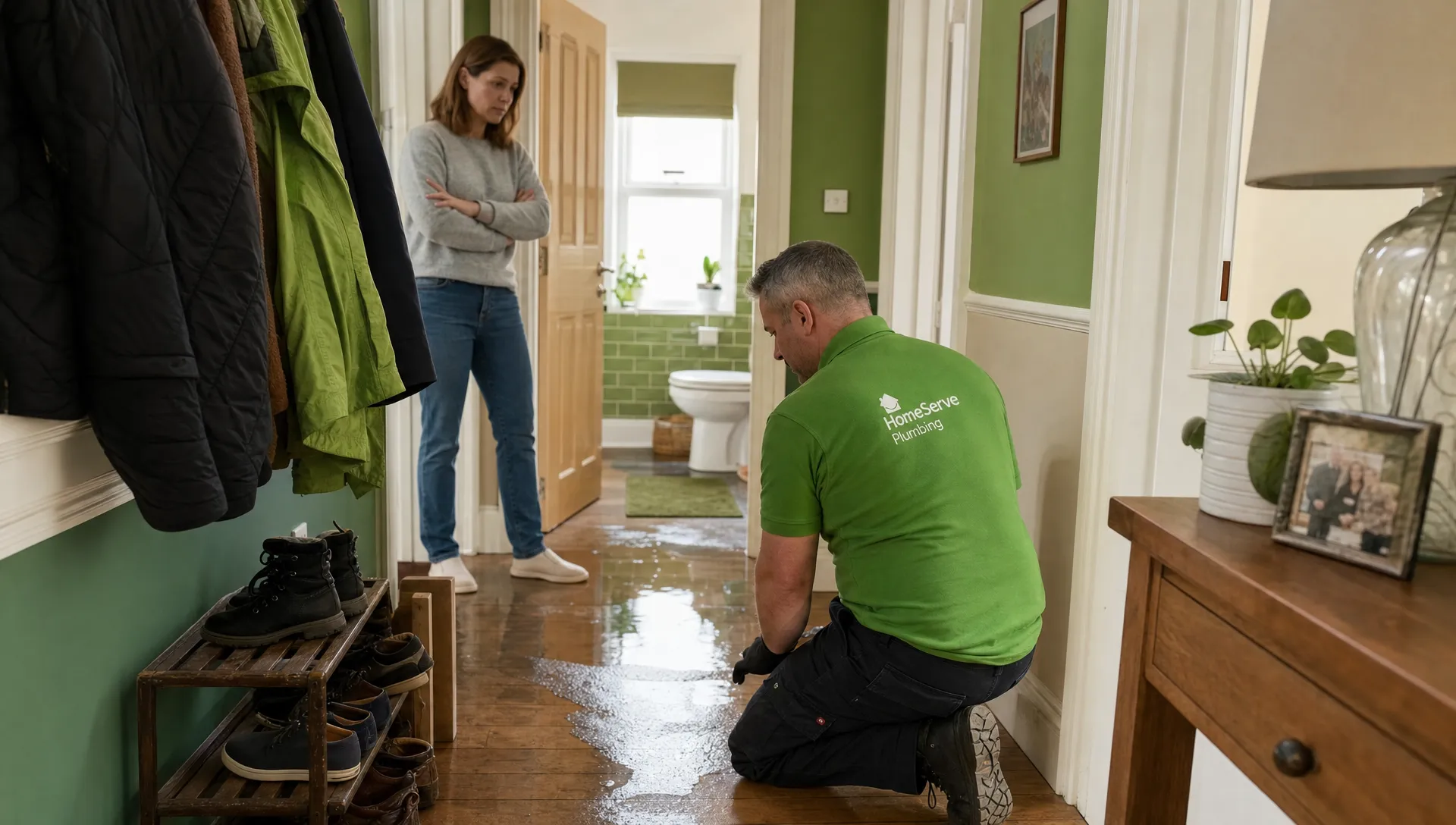
If water is coming out onto the floor, dripping through a ceiling or spreading into a wall, treat it as urgent. Turn off the toilet supply if you can do so safely and contact a plumber as soon as possible.
What to do first
Start by working out where the water is going. If it is constantly trickling into the toilet pan, meaning the bowl itself, the issue is usually inside the cistern. If water is escaping outside the toilet, you could be dealing with a leak from the cistern, pan connector, inlet pipe or overflow arrangement, and that needs faster attention.
If your toilet has a small isolation valve on the pipe feeding the cistern, you may be able to turn the water off to that toilet only. This is often a small slotted valve that turns a quarter turn with a flat screwdriver. Do not force it if it is stiff, corroded or hard to reach. A damaged isolation valve can turn a nuisance fault into a leak.
For a toilet that is only running into the bowl, you can usually leave the water on while you make a few simple checks. For a toilet leaking onto the floor, switch off the supply if possible, put towels down and call a plumber.
Why a toilet keeps running after you flush
A standard toilet works by releasing water from the cistern into the pan, then refilling the cistern ready for the next flush. When everything is working correctly, the flush mechanism closes, the fill valve lets clean water back in and the float shuts the incoming water off once the level is right.
When a toilet keeps running after you flush, one of those steps has failed. Either water is still leaving the cistern because the flush seal has not closed properly, or fresh water is still entering because the fill valve or float has not shut off.
That is the classic 'after flush toilet keeps running' fault, and it usually comes down to one of a small number of causes.
The most likely causes and who to call
Most running toilet problems are plumbing jobs. A confident homeowner might be able to spot the obvious signs, but a plumber is the right trade if parts need adjusting, replacing or testing for leaks.
| Likely cause | What you might notice | Who usually fixes it |
|---|---|---|
| Stuck flush button or handle | The button does not spring back properly, or the toilet stops running if you press it again | Plumber, sometimes a handyperson for a simple adjustment |
| Worn flush valve seal | Water keeps trickling into the pan even when the cistern looks full | Plumber |
| Float set too high | Water rises too far and runs into the internal overflow | Plumber |
| Faulty fill valve | The cistern keeps filling, hissing or refilling in short bursts | Plumber |
| Limescale or grit in the mechanism | The fault comes and goes, especially in hard water areas | Plumber |
| Concealed cistern access issue | The toilet is boxed in, wall hung or behind a panel | Plumber first, then possibly a carpenter or tiler if access needs repair |
A stuck button is one of the simplest causes. Modern dual-flush toilets often have a push-button lid connected to a cable or rod. If that button sticks down or the cable is slightly tight, the flush valve may not reseal fully.
A worn flush valve seal is also very common. This seal sits at the point where water leaves the cistern during a flush. If it is warped, dirty or perished, water can continue to seep into the pan even though the toilet looks normal from the outside.
The other common route is the fill valve. If the float is set too high, water enters the cistern until it reaches the overflow and then runs continuously into the pan. If the fill valve itself is worn, it may not shut off cleanly, which can cause a constant hiss or repeated short refills.
Safe checks you can do before calling a plumber
Only do checks you feel comfortable with. Cistern lids can be heavy and some push-button lids are attached to a cable underneath, so lift gently and avoid pulling anything hard.
- Press the flush button or handle once more and see whether it returns to its normal position.
- Listen for a constant hiss from the cistern, which often points to the fill valve still letting water in.
- Look for a constant trickle into the toilet pan, even several minutes after flushing.
- If you can safely lift the cistern lid, check whether the water level is rising too high and going into the overflow.
- Do not put drain cleaner, bleach tablets or harsh chemicals inside the cistern to try to fix the mechanism.
If the toilet stops running when you gently lift the float, the fill valve or float setting is likely to be involved. If the water level is normal but water still trickles into the pan, the flush valve seal is a more likely suspect.
These checks are only to help you describe the problem. You do not need to dismantle the toilet before asking for quotes. In fact, if the parts are old, brittle or boxed in, taking them apart can make the repair harder.
What a plumber will usually check
A plumber will normally start by testing the flush button, handle, float and fill valve. They may isolate the water to the toilet, remove the cistern lid safely and check whether the problem is on the filling side or the flushing side.
For a simple fault, the fix might be an adjustment to the float height or freeing a sticking button. If a part is worn, the plumber may replace the fill valve, flush valve, syphon, washer or seal. On older toilets, they may recommend replacing more than one internal part if the remaining components are also close to failing.
With close-coupled toilets, where the cistern sits directly on the pan, parts are usually easier to reach. Concealed cisterns can take longer because access panels may be small or awkward. If the cistern has been tiled in without proper access, the plumber may need to advise on the least disruptive way to reach the mechanism.
How much could it cost to fix a running toilet?
The cost depends on the cause, the parts needed, the age of the toilet and how easy it is to access the cistern. A quick adjustment is usually less involved than replacing a complete flush valve or working on a concealed cistern.
Location also matters. A plumber's rate in London may differ from one in Birmingham or Manchester, so it is worth comparing local pricing before you book. HaMuch shows real, comparable plumber pricing by trade and location, alongside local tradesperson listings and customer reviews, so you are not relying on vague estimates.
The main things that affect the price are:
| Cost factor | Why it matters |
|---|---|
| Type of fault | Adjustments are usually simpler than replacing worn internal parts |
| Toilet design | Concealed and wall-hung cisterns can take longer to access |
| Parts required | Fill valves, flush valves and seals vary by toilet type |
| Urgency | Evening, weekend or same-day callouts may cost more |
| Extra plumbing issues | A stiff isolation valve or old pipework can add time |
If you have another small plumbing issue at the same property, it can be worth asking whether it can be looked at during the same visit. For example, if you also have a dripping tap, HaMuch has a separate guide on how much it costs to fix a leaking tap so you can compare both jobs sensibly.
When you should call a plumber straight away
Call a plumber promptly if the toilet is your only toilet, the cistern will not stop filling, the isolation valve will not turn, or water is escaping anywhere outside the pan. You should also call if the toilet is in a rental property and the tenant is reporting constant noise, water waste or signs of damp nearby.
For landlords and property managers, ask the tenant for a short video if possible. A clip showing whether the water is running into the pan or onto the floor can help the plumber understand the urgency before attending. Make sure the plumber has access details, parking information and permission to isolate the water if needed.
If the repair involves damage to boxing, tiles or a panel around a concealed cistern, the plumber is still usually the first person to call. Once the leak or running fault is fixed, a carpenter, tiler, plasterer or painter may be needed to make good the surrounding finish.
Choosing the right plumber
For this kind of job, you want someone who is used to toilet repairs and can explain whether the fault needs a simple adjustment or replacement parts. Look for clear rates, recent reviews and a practical explanation of what is included in the callout.
If you are not sure what to ask before booking, HaMuch's reliable plumber checklist can help you compare tradespeople more confidently. It is especially useful if you are arranging work for a rental property or you have had mixed experiences with callouts before.
Frequently asked questions
Can I still use a toilet that keeps running after flushing? If the water is only running into the pan, you can usually still use the toilet for a short time. It should still be repaired because it wastes water and may get worse. If water is leaking onto the floor, stop using it and call a plumber.
Is a running toilet an emergency? It is not usually an emergency if the water is contained inside the toilet pan. It becomes urgent if water is escaping outside the toilet, you cannot isolate the supply, the cistern is overflowing or the fault is affecting the property below.
Why does my toilet stop running if I press the flush button again? That often points to a sticking button, handle, cable or flush mechanism. The button may not be returning fully after the flush, which stops the internal seal from closing properly.
Will a plumber need to replace the whole toilet? Usually not. Many running toilet faults are fixed by adjusting or replacing internal cistern parts. A full toilet replacement is more likely if the toilet is very old, cracked, badly fitted or parts are no longer available.
Who should deal with a running toilet in a rented property? Tenants should report the problem to the landlord or managing agent as soon as they notice it. The landlord or property manager will normally arrange a plumber to inspect and repair the toilet.
Get clear plumber prices before you book
If your toilet will not stop running after you flush, post the job on HaMuch and compare local plumbers with transparent pricing and genuine reviews before deciding who to hire. If water is leaking onto the floor or through a ceiling, treat it as urgent and request help straight away.