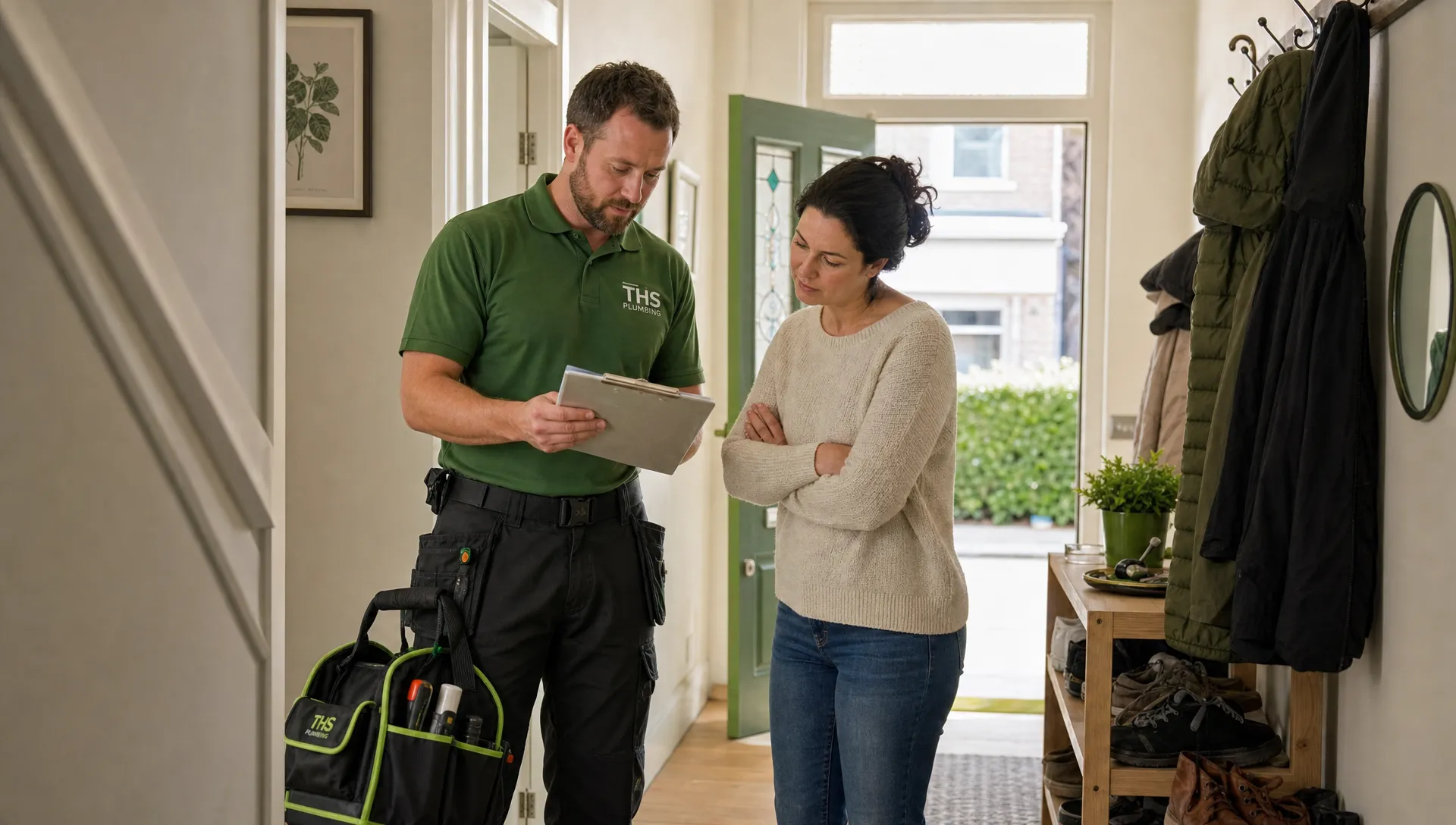
Finding a good plumber should not feel like guesswork. Whether you have a dripping tap, a faulty toilet, a leak under the sink or a rental property that needs regular maintenance, the same principle a
Finding a good plumber should not feel like guesswork. Whether you have a dripping tap, a faulty toilet, a leak under the sink or a rental property that needs regular maintenance, the same principle applies: check the person, check the price and get the job clearly agreed before anyone starts work.
The difficulty is that plumbing problems often feel urgent. When water is escaping or a tenant is waiting, it is tempting to book the first person who answers the phone. That can work out, but it is not the safest way to hire. If you are wondering how to find a reliable plumber, use this homeowner’s checklist to slow the process down just enough to make a confident decision.
Start by being clear about the job
A reliable quote starts with a clear description. Before you contact a plumber, write down what is happening, where it is happening and how long it has been going on. You do not need trade knowledge. Plain-English details are enough.
For example, “the kitchen tap drips when turned off” is more useful than “tap problem”. “Water is staining the ceiling below the bathroom” tells the plumber the problem may need investigation. If you are a landlord, add whether the property is occupied, whether the tenant can provide access and whether there are any parking restrictions.
Try to include photos if you are requesting quotes online. A good plumber will not always be able to diagnose the issue from a photo, but it can help them understand the likely scale of the job and whether parts may be needed.
For common small repairs, it is worth checking typical prices before you call. For example, if your issue is a dripping or faulty tap, HaMuch’s guide to how much it costs to fix a leaking tap can help you understand what usually affects the final bill.
Compare local pricing before you choose
Price is not the only sign of reliability, but transparent pricing is one of the easiest ways to spot whether a quote feels reasonable. A plumber who is open about labour, call-out charges, materials and VAT is usually easier to deal with than someone who gives only a vague verbal estimate.
Plumbing rates vary by location, availability and urgency. A planned repair during normal working hours will usually be priced differently from a late-night leak. Large cities can also differ from nearby towns because travel time, parking and demand affect what tradespeople charge.
If you are comparing plumbers in major UK cities, start by checking current local rate information for plumbers in London, plumbers in Birmingham or plumbers in Manchester. HaMuch is built around real, comparable pricing by trade and location, so you can check what plumbers typically charge before requesting quotes rather than relying on vague guesswork.
When you speak to a plumber, ask whether the price is:
- An hourly rate, day rate or fixed job price
- Inclusive or exclusive of VAT
- Inclusive of the call-out charge
- Inclusive of parts and materials
- Subject to a minimum first-hour charge
- Different for evenings, weekends or emergencies
You are not trying to choose the cheapest person automatically. You are trying to understand what is included, what is not included and whether the quote is clear enough to compare fairly.
Check qualifications, registration and insurance
In the UK, not every plumbing task requires a formal licence. However, certain types of work do have strict requirements. The most important example is gas. If the job involves a gas boiler, gas pipework or a gas appliance, the tradesperson must be on the Gas Safe Register. You can check the engineer’s licence number and confirm the types of gas work they are allowed to do.
For general plumbing, look for signs that the person works professionally. That can include relevant training, trade memberships, experience in similar jobs, public liability insurance and a willingness to provide written details before work begins.
If you are unsure what to ask for, HaMuch has a separate guide on checking whether a tradesperson is properly qualified, which is useful before hiring any trade, not just plumbers.
Insurance matters because even careful plumbers can run into problems. A burst fitting, accidental damage or a leak discovered during repair work can become expensive quickly. Ask whether the plumber has public liability insurance and, for larger jobs, whether they can provide evidence of cover.
Read reviews properly, not just the star rating
Reviews are useful, but only if you read them closely. A perfect rating with very little detail is less helpful than several specific reviews explaining what the plumber did, whether they arrived on time, how they communicated and whether the price matched the quote.
Look for patterns. A single bad review does not always mean a plumber is unreliable, especially if they have responded calmly and professionally. Repeated complaints about missed appointments, unclear pricing or unfinished work are more concerning.
Good review signals include comments such as:
- Turned up when agreed
- Explained the problem clearly
- Provided a written quote
- Left the area tidy
- Charged what was agreed
- Returned promptly if there was a follow-up issue
For landlords and property managers, reviews that mention communication are especially important. You need someone who can coordinate with tenants, provide updates and send invoices or photos after the job.
Ask the right questions before booking
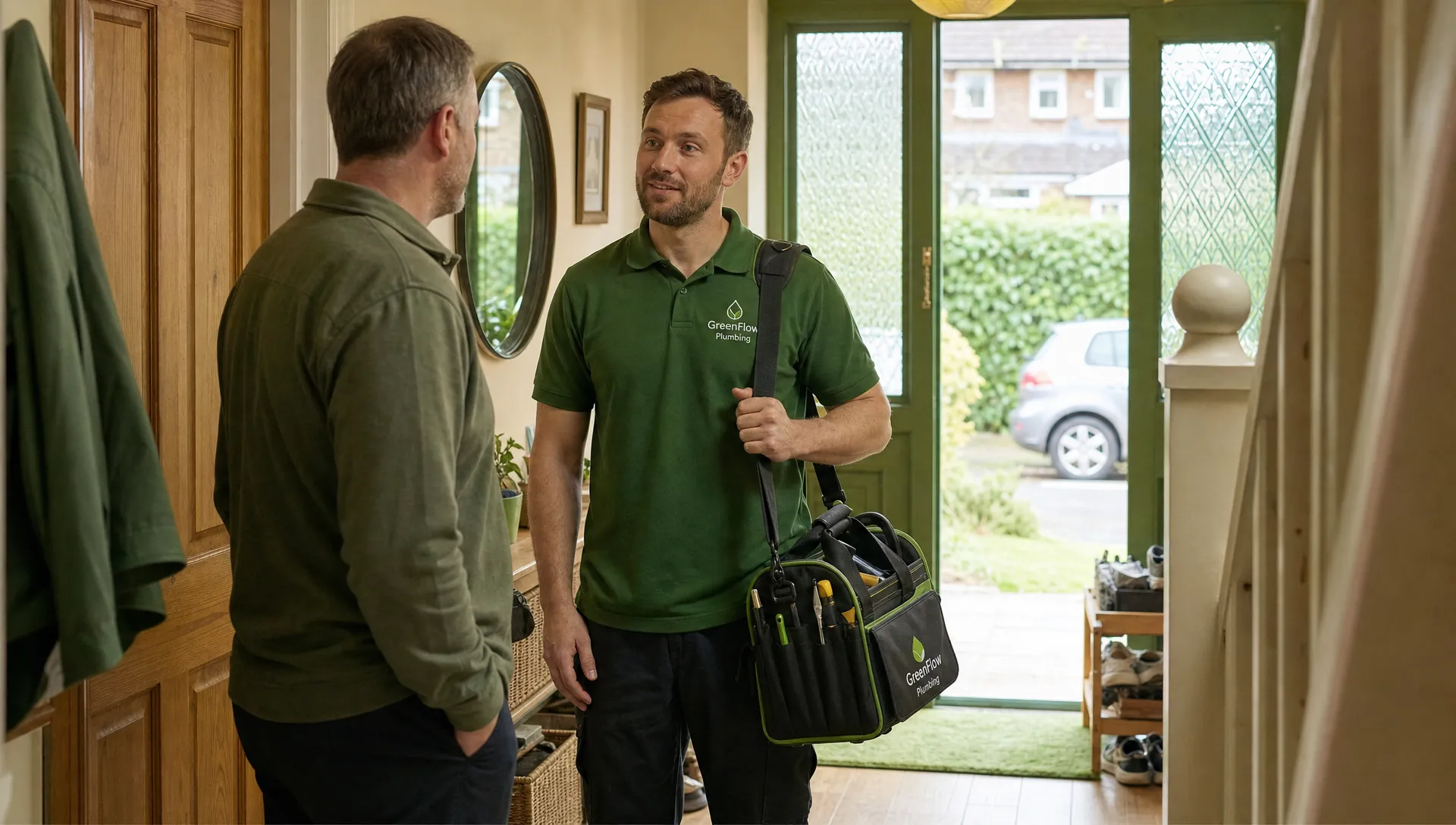
You do not need to interrogate a plumber, but a few direct questions can reveal a lot. Reliable plumbers are usually happy to explain how they work, especially if you ask politely and keep it practical.
Use this checklist before you agree to a visit:
| Question to ask | Why it matters |
|---|---|
| Have you done this type of job recently? | Experience with similar work reduces the chance of surprises. |
| Is there a call-out charge or minimum charge? | It helps you compare quotes fairly. |
| What is included in the price? | Labour, parts, VAT and waste disposal can all affect the total. |
| Can you provide a written quote or estimate? | Written details reduce disputes later. |
| Are you insured? | Insurance protects both sides if something goes wrong. |
| Do you guarantee your work? | A clear guarantee shows accountability after the visit. |
| When can you attend and how long should it take? | Good scheduling matters, especially for tenants or urgent repairs. |
If the plumber refuses to answer basic questions, rushes you into booking or says the final price cannot be discussed at all until they arrive, take care. Some jobs genuinely cannot be priced exactly without inspection, but a reliable plumber should still be able to explain their charging structure.
Get a written quote for anything beyond a small repair
For a small job, a written estimate by text or email may be enough. For larger work, ask for a proper written quote with the scope clearly described. This does not need to be complicated, but it should state what the plumber is doing and what the price includes.
A good written quote should usually cover labour, materials, VAT where applicable, expected start date, payment terms and any assumptions. If the plumber may need to investigate before confirming the full repair, the quote should explain that too.
Be cautious with very low quotes that do not explain what is included. A cheaper headline price can become more expensive if parts, parking, VAT, waste removal or return visits are added later. The best quote is the one you can understand and compare.
Know the warning signs of an unreliable plumber
Most plumbers are honest professionals, but homeowners and landlords still need to protect themselves. A few red flags should make you pause before booking.
Be careful if a plumber:
- Will only accept cash with no receipt
- Refuses to give a written quote or clear pricing structure
- Cannot explain whether VAT is included
- Pressures you to decide immediately for non-urgent work
- Has no visible reviews or references and gives no reassurance
- Claims gas work is “simple” but cannot provide a Gas Safe number
- Wants a large upfront payment for a small job
Emergencies are different because you may not have time to do a full comparison. Even then, ask the basics: call-out charge, hourly rate, expected arrival time and whether parts are included. If your issue is urgent and you are in the West Midlands, HaMuch’s article on emergency plumber costs in Birmingham explains what can affect the price of urgent call-outs.
For landlords, think beyond the first job
If you manage rental properties, reliability is not just about one repair. You need a plumber who communicates well, can work around tenants, sends clear invoices and keeps a record of what was done.
Ask whether the plumber is comfortable dealing directly with tenants for access, while keeping you updated on cost and progress. Make it clear who can authorise extra work. For example, you might allow them to fix a minor issue up to an agreed limit, but require approval for anything larger.
Keep copies of quotes, invoices, photos and messages. This helps with maintenance records, deposit disputes and future repairs. It also makes it easier to decide whether to use the same plumber again.
After the job, check the finish and paperwork
Reliability does not end when the plumber packs up. Before you pay the final bill, check that the agreed work has been completed, the area has been left reasonably tidy and the invoice matches the quote or estimate.
Ask the plumber to explain what they did in plain English. If parts were replaced, ask what was changed and whether there is any product warranty. If the work involved gas, make sure you receive the correct safety documentation from a Gas Safe registered engineer.
For small repairs, simply checking that the leak has stopped may be enough. For bigger work, take photos and keep the paperwork somewhere easy to find. If there is a guarantee, confirm how long it lasts and what to do if the problem returns.
Frequently Asked Questions
How do I find a reliable plumber near me? Start by describing the job clearly, comparing local prices, reading detailed reviews and checking insurance or relevant registration. Use a platform such as HaMuch to compare local plumbers, see transparent pricing and request quotes before deciding.
Should I always choose the cheapest plumber? Not necessarily. A very low quote may not include parts, VAT, call-out charges or follow-up work. Choose the plumber who offers clear pricing, good reviews, relevant experience and a quote you can understand.
Does a plumber need to be Gas Safe registered? Only if the work involves gas appliances, gas pipework or gas boilers. For gas work, always check the engineer on the Gas Safe Register before letting them start.
How many quotes should I get for plumbing work? For non-urgent work, aim to compare at least two or three quotes. For emergencies, you may have less time, but you should still ask about call-out fees, hourly rates and what is included.
What should be included in a plumber’s quote? A good quote should explain the labour cost, materials, VAT if applicable, call-out fees, expected timescale and what work is included. For larger jobs, it should also include payment terms and any exclusions.
Ready to compare reliable local plumbers?
The safest way to find a reliable plumber is to combine common sense checks with transparent pricing. Look at reviews, ask the right questions, check qualifications where needed and make sure the quote is clear before work begins.
HaMuch helps homeowners, landlords and property managers compare local plumbers with genuine reviews and real pricing information by trade and location. You can check typical rates first, then request quotes with no obligation to book.
If you need plumbing help, request quotes from local plumbers through HaMuch and compare your options before you decide.