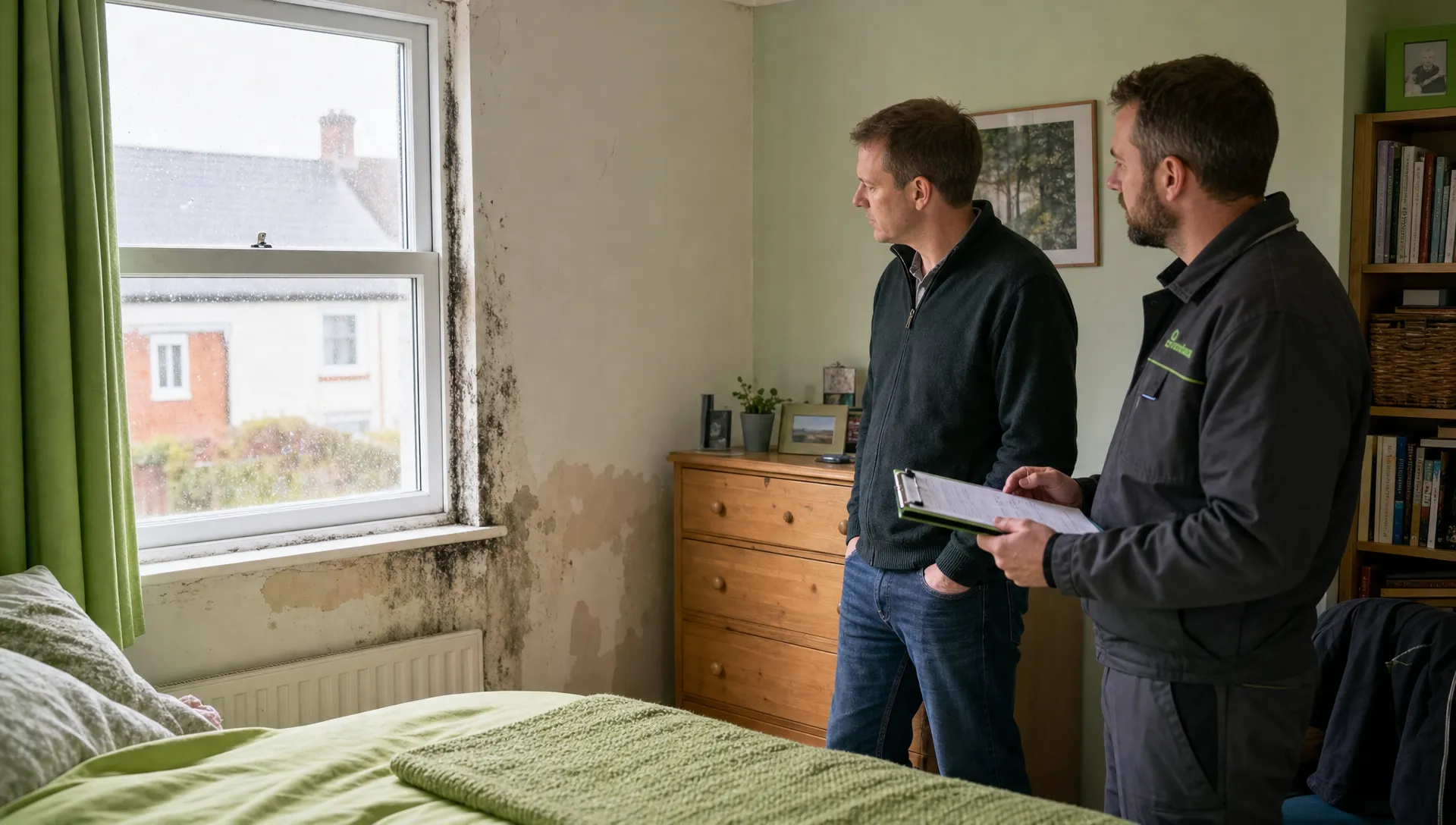
If your windows are steaming up on the inside every morning, the good news is that it is usually caused by condensation rather than a major defect. Warm, moist air inside the home touches cold glass o
If your windows are steaming up on the inside every morning, the good news is that it is usually caused by condensation rather than a major defect. Warm, moist air inside the home touches cold glass overnight, cools down and turns into water droplets.
That does not mean you should ignore it. Regular moisture on glass, frames and nearby walls can lead to black mould, peeling paint, swollen timber, musty smells and damaged plaster. In rental properties, it can also become a maintenance issue that needs documenting and sorting before it spreads.
The first job is to work out whether you are dealing with ordinary condensation, a ventilation problem, a heating problem, a failed double-glazed unit or a leak that only looks like condensation.
Quick answer: why are my windows wet inside every morning?
Morning window condensation is most often caused by too much moisture indoors and not enough ventilation, especially during colder months. Bedrooms are common because doors are closed overnight, people breathe out moisture for several hours and the room temperature drops before dawn.
It is particularly common in:
- Older UK homes with single glazing or ageing double glazing
- Flats and terraces with limited airflow
- Bedrooms with closed doors and blocked trickle vents
- Bathrooms and kitchens without working extractor fans
- Homes where clothes are dried indoors
- Properties that are heated in short bursts then allowed to cool down
In many homes, you can reduce the problem with better daily habits. If windows are streaming every day, mould is appearing or several rooms feel damp, it is worth getting a tradesperson to look at the underlying cause.
On HaMuch, persistent condensation across the home is most often a job for a ventilation and AC engineer. You can compare local rates for a ventilation and AC engineer before requesting quotes, so you can see real pricing by area rather than guessing what the visit might cost.
Why it is worse first thing in the morning
Condensation forms when warm air carrying water vapour meets a cold surface. Glass is usually one of the coldest surfaces in a room, so windows show the problem first.
At night, three things tend to happen at once. Indoor moisture rises from breathing, washing, cooking, showering and drying clothes. The room cools down because the heating is off or turned lower. Air movement reduces because doors and windows are closed.
By the time you open the curtains in the morning, the inside pane may be misted, wet or running with droplets. In a bedroom, this does not automatically mean the window is faulty. It often means the room needs more controlled ventilation and steadier warmth.
The Energy Saving Trust gives similar practical advice on reducing condensation, including using extractor fans, drying clothes carefully and improving airflow without wasting unnecessary heat.
Check where the moisture is before deciding what to do
Before calling anyone, look closely at where the mist or water is sitting. This simple check can stop you hiring the wrong trade.
| What you can see | Most likely cause | Who usually handles it |
|---|---|---|
| Mist or droplets on the room-facing side of the glass | Normal condensation from indoor humidity | Ventilation and AC engineer if it is persistent |
| Water running down several windows most mornings | High indoor moisture or poor airflow | Ventilation and AC engineer |
| Condensation mainly in one cold bedroom | Cold room, blocked vent or poor heating balance | Ventilation and AC engineer or heating engineer |
| Mist trapped between the two panes of double glazing | Failed sealed glazing unit | Window fitter, builder or carpenter and joiner |
| Black mould around the frame and nearby wall | Ongoing condensation, cold bridging or damp | Ventilation and AC engineer, builder or plasterer depending on cause |
| Damp patch, staining or wet plaster near the window | Possible leak, defective seal, gutter issue or penetrating damp | Builder, roofer or plumber depending on source |
If the water wipes off the inside surface of the glass, it is usually condensation. If the mist is sealed inside the double-glazed unit and cannot be wiped away from either side, the unit itself has probably failed and will usually need repair or replacement.
If there is a damp stain around the window reveal, bubbling plaster or a wet patch that stays wet even when the window is dry, do not assume it is just condensation. A builder may need to check external pointing, render, lintels, window seals or gutters.
What to try today before calling a tradesperson
If the problem has only just started or is mild, you can take a few safe steps straight away. These do not replace proper repairs where there is damp or mould, but they often reduce morning condensation noticeably.
Start by wiping the glass and sill each morning with a towel or window vacuum. This sounds basic, but leaving water sitting on paint, silicone, timber or plaster gives mould more chance to grow. Dry the cloth outside or in a well-ventilated space, not on a radiator in the same room.
Open trickle vents if your windows have them. These small vents are there to provide background airflow. If they are closed all winter, moisture can build up quickly, especially in bedrooms. Check they are not blocked by dust, blinds or heavy curtains.
Use extractor fans when showering and cooking, and leave them running for a short while afterwards if they have an overrun setting. Keep the bathroom door closed during and after a shower so moisture does not drift through the rest of the home.
Try to avoid drying washing indoors. If you have no choice, dry it in one room with the door closed, a window slightly open if safe and an extractor or dehumidifier running. Do not put wet clothes on radiators, as this releases a lot of moisture into the air quickly.
Keep rooms at a more even temperature where possible. Heating a room hard for an hour then letting it go cold can make condensation worse because cold surfaces encourage moisture to settle. You do not need tropical heat, but steady warmth usually helps.
Move large furniture a little away from external walls and avoid trapping curtains tight against wet glass. Air needs to move around the window area so moisture can clear rather than sit against cold surfaces.
A basic humidity meter can be helpful, especially for landlords or homeowners trying to spot patterns. If readings are regularly high in bedrooms, bathrooms or kitchens, the issue is likely to be ventilation and moisture management rather than the glass alone.
When steaming windows suggest a bigger problem
Windows steaming up inside every now and then is common in UK homes. The warning signs are more about frequency, severity and what is happening around the window.
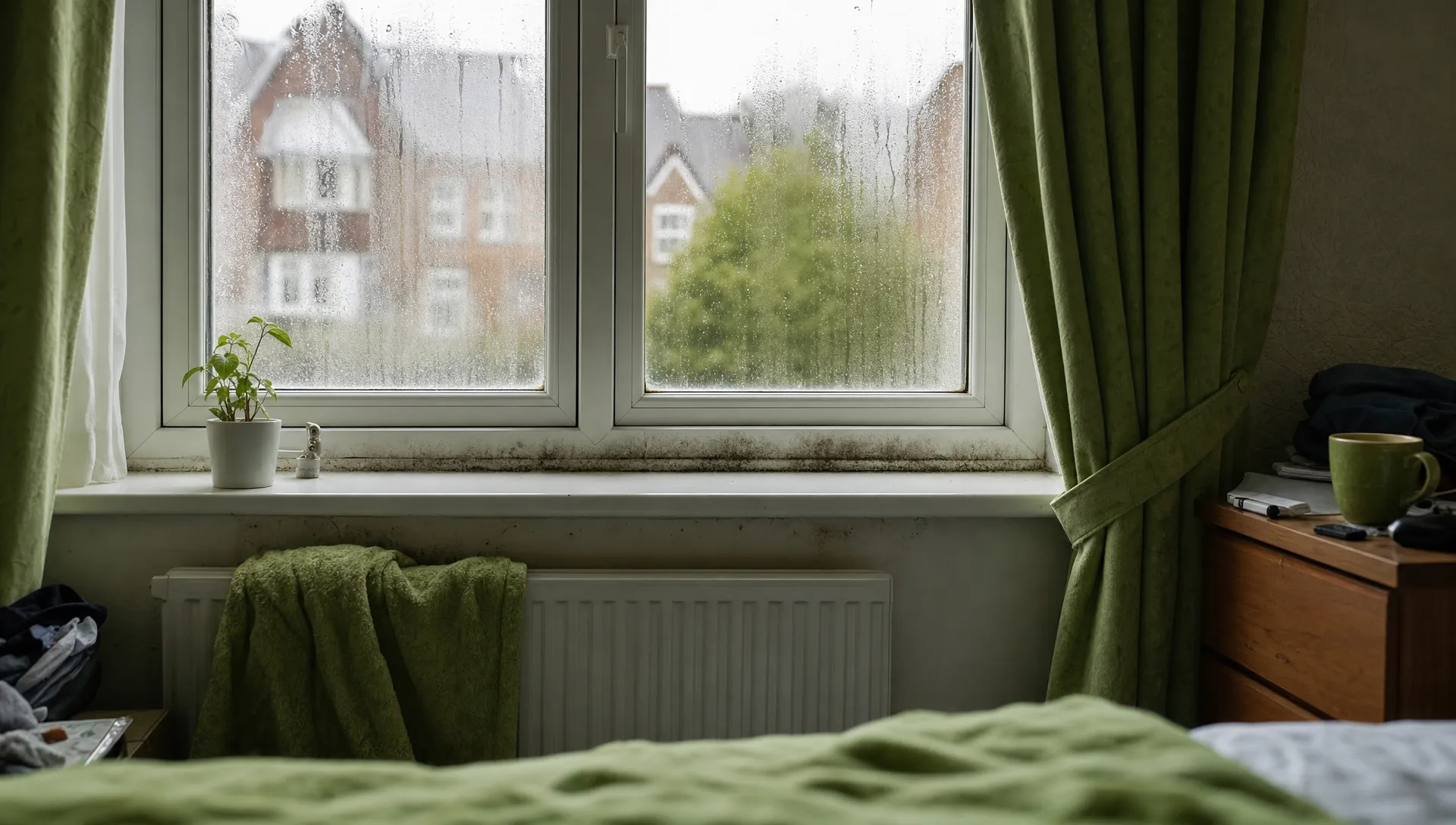
You should investigate further if you see black mould returning after cleaning, paint peeling near the window, plaster staying damp, water pooling on sills or condensation on every window every morning. A musty smell in cupboards, wardrobes or corners also suggests moisture is lingering rather than clearing.
The same applies if the condensation has appeared after a change to the property, such as new windows, blocked vents, a new tenant, a change in heating use or a bathroom renovation. Modern windows can make a home more airtight, which is good for heat loss but can expose weak ventilation.
For rented homes, GOV.UK guidance on damp and mould makes clear that damp and mould should be taken seriously because they can affect health. Landlords should not dismiss repeated mould around windows as simply a tenant lifestyle issue without checking ventilation, heating and building defects.
Which tradesperson should you call?
The right trade depends on what is causing the moisture. If you call the wrong person, you may pay for a visit that only confirms someone else is needed, so it helps to narrow it down first.
Call a ventilation and AC engineer for whole-home condensation
If several windows steam up most mornings, extractor fans are weak or non-existent, rooms feel stuffy or mould keeps returning around frames, a ventilation and AC engineer is usually the best first call.
They can check whether fans are correctly sized and working, whether vents are blocked, whether airflow is moving through the property and whether extra ventilation is needed. In some homes, this may mean fitting or upgrading extractor fans. In others, it may mean looking at background ventilation or a whole-home system.
This is often the most relevant route for flats, HMOs, older terraces and compact homes in busy areas such as London, Birmingham and Manchester, where rooms may be smaller and natural airflow can be limited. HaMuch helps you compare local tradespeople and see transparent rates before you decide who to contact.
Call a heating engineer if cold rooms are part of the problem
If one or two rooms are much colder than the rest of the property, condensation will form more easily there. Cold radiators, poor heating control or a heating system that is not warming bedrooms properly can all contribute.
A heating engineer can check radiators, valves, heating balance and boiler performance. If a gas boiler is involved, use a Gas Safe registered engineer. You can compare heating engineer rates on HaMuch before requesting quotes.
If you ever smell gas, do not troubleshoot condensation or heating settings. Call the National Gas Emergency Service on 0800 111 999, turn off the gas if safe to do so, open doors and windows, avoid electrical switches and leave the property if advised.
Call a plumber if there may be a leak
Condensation normally appears on glass and clears when wiped away. A plumbing issue is more likely if there is wet plaster near pipe routes, damp below a bathroom, a stained ceiling, a constantly wet patch or a sudden increase in moisture after a leak or repair.
A plumber can check for hidden leaks around bathrooms, kitchens, radiator pipework and tanks. If you are unsure whether moisture is condensation or a leak, comparing local plumber rates can help you budget before booking someone to investigate.
Call a builder, carpenter or window specialist for window and wall defects
If the mist is trapped inside a double-glazed unit, ventilation will not fix it. The sealed unit has likely failed. A window fitter, builder or carpenter and joiner can advise whether the glazing unit, frame or surrounding seals need attention.
If damp is coming through around the window rather than forming on the glass, a builder may need to check outside. Common issues include cracked render, poor pointing, defective sealant, blocked gutters, failed flashing or gaps around the frame.
A plasterer may be needed later if damaged plaster has to be repaired, but it is usually better to find and fix the moisture source first. Replastering over damp without solving the cause often leads to the same stain or mould coming back.
What landlords and property managers should do
For landlords, regular morning condensation needs a practical record. Ask the tenant when it happens, which rooms are affected, whether extractor fans work and whether heating is being used normally. Request photos of the windows, walls and any mould so you can see whether the issue is spreading.
Arrange checks for the likely causes rather than jumping straight to blame. A non-working bathroom fan, blocked vent, cold bedroom or failed window unit can all be property maintenance issues. In HMOs and flats, ventilation problems can also affect several rooms at once.
It is sensible to keep a record of inspections, repairs and advice given to tenants. If you manage properties across areas such as Greater London, the West Midlands or Greater Manchester, using a platform that shows comparable local rates can make it easier to plan maintenance across different locations.
How HaMuch helps you compare the cost before you book
Condensation problems can be awkward because the first visit may be diagnostic. You might not know whether you need a ventilation engineer, heating engineer, plumber or builder until someone has inspected the property.
HaMuch is built to make that first step clearer. You can compare local tradespeople, see genuine customer reviews and check real hourly or daily rates by trade and location before you request quotes. That means you are not relying on vague price ranges or waiting until after a visit to understand what the work might cost.
For homeowners, this is useful when you want to fix the issue without overreacting. For landlords and property managers, it helps you compare options across multiple properties and keep repair decisions transparent.
Frequently Asked Questions
Is condensation on the inside of windows normal in winter? Some condensation is normal in colder weather, especially in bedrooms first thing in the morning. It becomes a problem if it happens every day, runs down onto sills, causes mould or affects several rooms.
Why are my bedroom windows worse than the rest of the house? Bedrooms are often closed overnight, so moisture from breathing builds up while the room cools. Heavy curtains, blocked trickle vents and cold external walls can make the window even colder.
Does condensation mean my double glazing has failed? Not if the moisture is on the room-facing surface and wipes away. If the mist is trapped between the panes and cannot be wiped from either side, the sealed double-glazed unit has probably failed.
Will a dehumidifier fix windows steaming up inside? A dehumidifier can reduce moisture and may help, but it does not fix blocked vents, broken extractor fans, poor heating or building defects. If the issue keeps returning, it is worth getting the cause checked.
Who should I call for mould around window frames? If mould is caused by repeated condensation, start with a ventilation and AC engineer. If the wall or plaster is damp, cracked or stained, a builder may be needed to check for external defects before any decorating or plastering work.
Ready to stop guessing what is causing the condensation?
If your windows are steaming up on the inside every morning and simple changes have not helped, post the job on HaMuch. Describe which rooms are affected, whether the moisture wipes off, whether there is mould or damp staining and how long it has been happening.
You can then compare local tradespeople, check transparent rates and request quotes with no obligation to book. The sooner you identify the cause, the easier it is to prevent mould, damp damage and repeat call-outs.