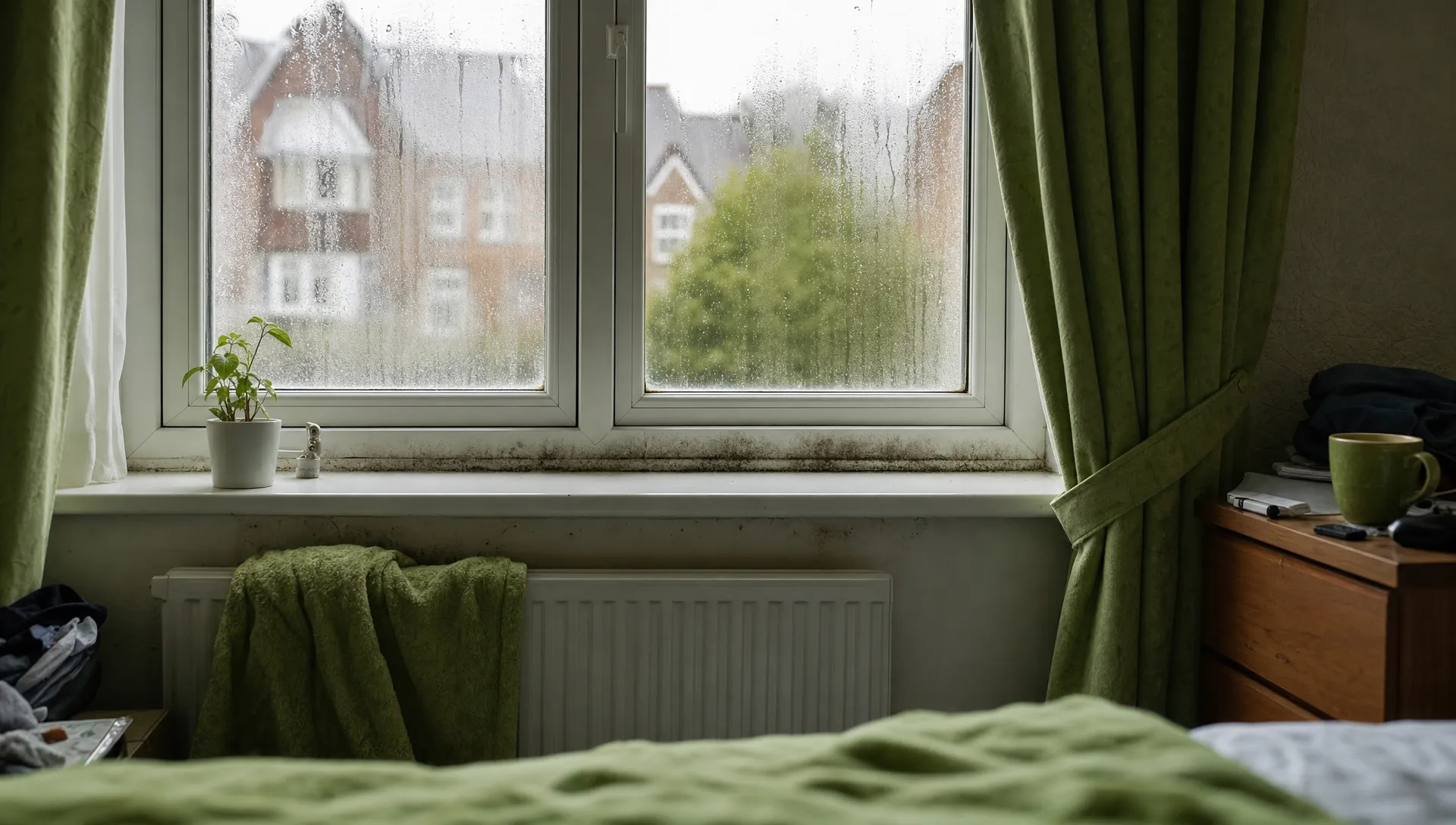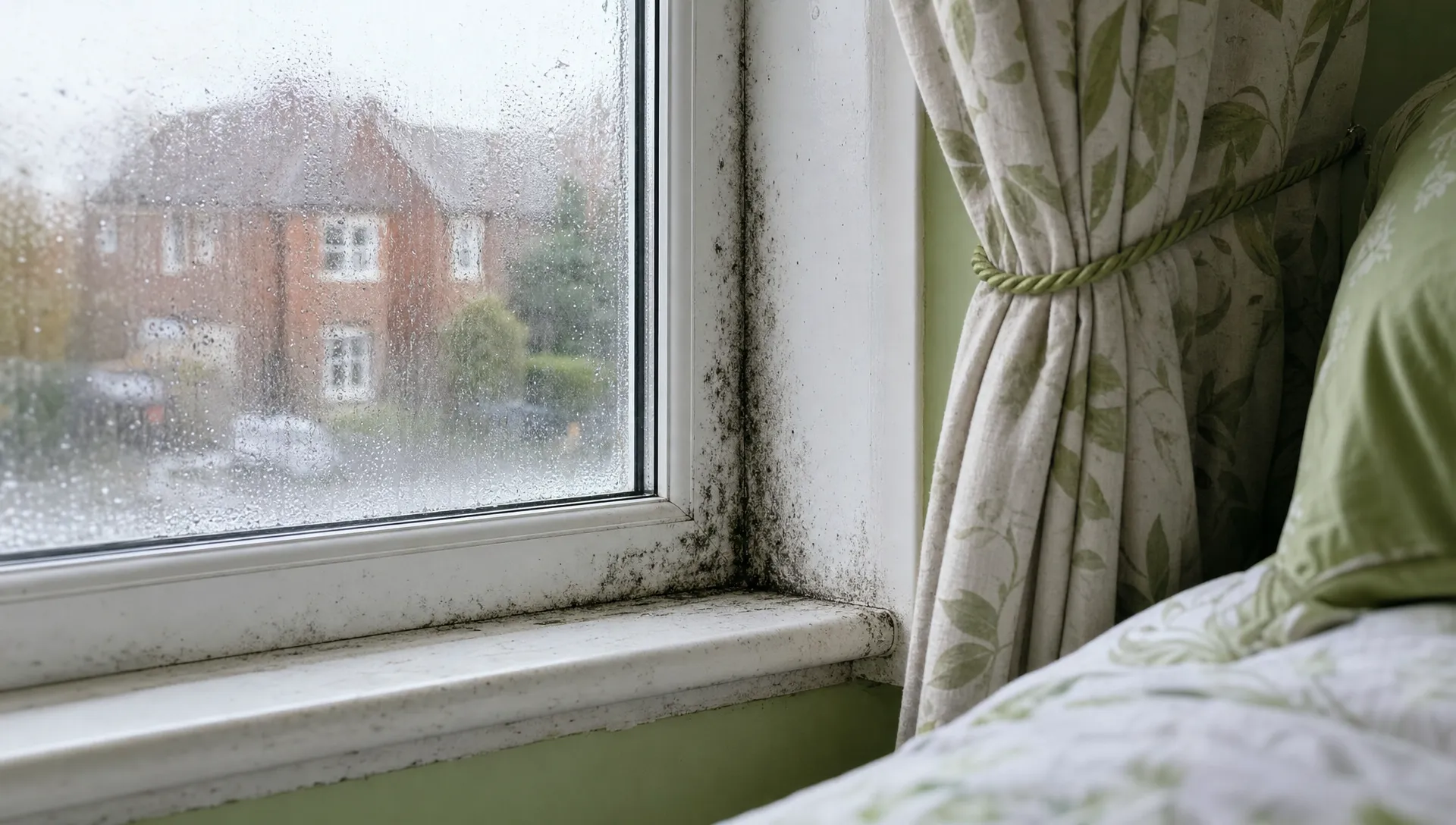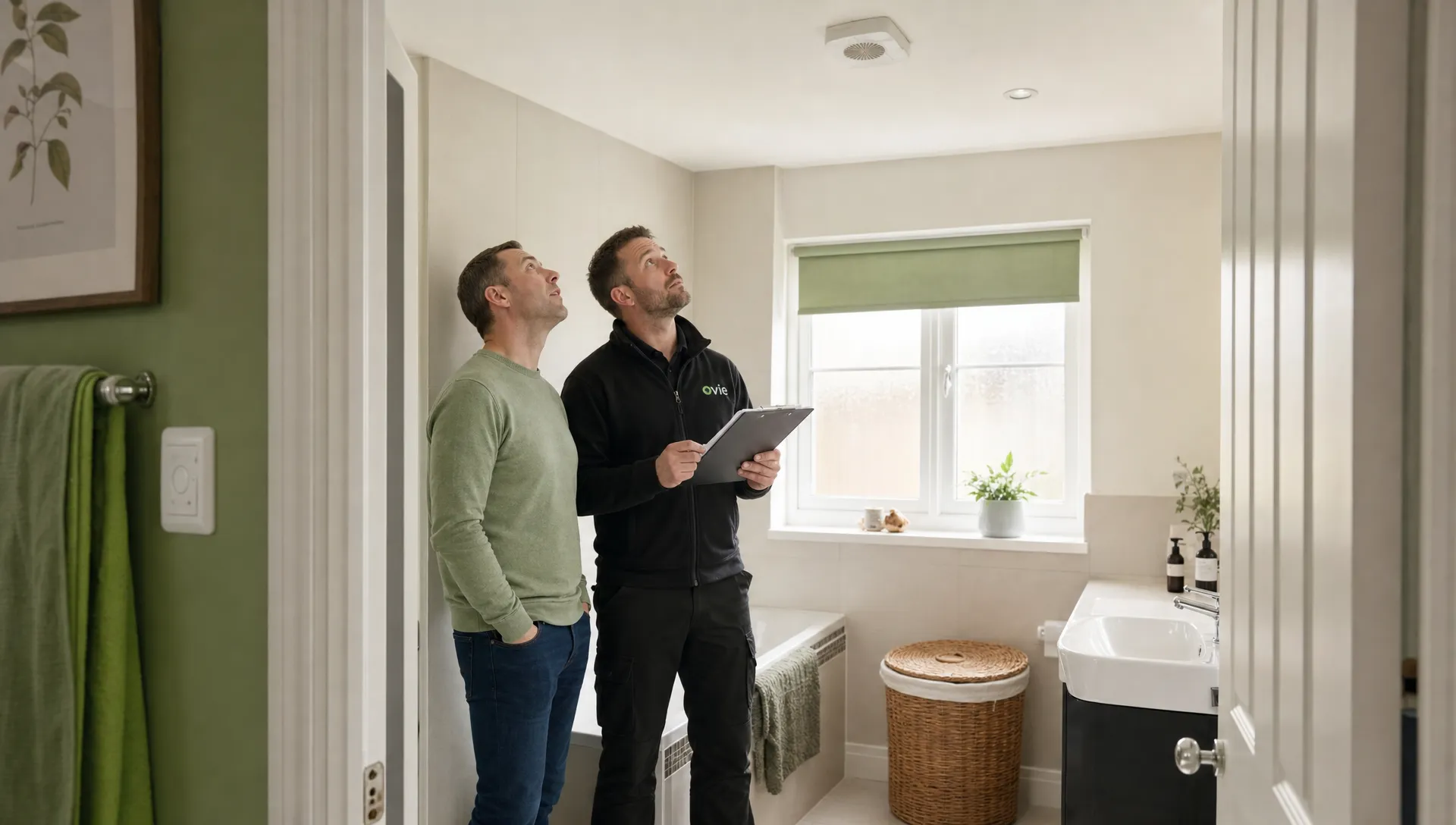
A bathroom extractor fan not working can quickly leave steam hanging in the room, mirrors dripping and damp patches forming around ceilings or window reveals. The good news is that the cause is often
A bathroom extractor fan not working can quickly leave steam hanging in the room, mirrors dripping and damp patches forming around ceilings or window reveals. The good news is that the cause is often straightforward: a switched-off isolator, a tripped circuit, a worn-out fan motor or blocked airflow. The safest approach is to make a few simple checks from outside the fan, then call the right tradesperson if it still will not run or clear moisture properly.
Bathroom fans sit in a damp room and are connected to the electrical supply, so this is not a job for guesswork. You can check switches, listen for obvious signs and look for visible blockages, but do not remove covers, touch wiring or take the fan apart unless you are qualified to do so.
Quick safety checks before you investigate
If you notice a burning smell, scorch marks, buzzing from the fan, sparks or repeated tripping at the fuse box, stop using the fan and switch the circuit off if you can do so safely. In that situation, treat it as an electrical fault and call a qualified electrician rather than trying to test the fan again.
For a calmer fault, start with the basics. Many bathroom extractor fans have a separate isolator switch, often above the bathroom door, in the hallway or near the ceiling. Check that this has not been turned off by accident. If the fan comes on with the bathroom light, test the light switch as normal and see whether the fan starts after a short delay.
Next, look at your consumer unit. If an RCD or breaker has tripped, you can reset it once. If it trips again when the fan is used, stop there. HaMuch has a separate guide to what it can mean when a fuse box keeps tripping for no obvious reason, but a bathroom fan that repeatedly trips the circuit needs an electrician.
Bathroom extractor fan not working: the most likely causes
A bathroom extractor fault can mean two different things: the fan is not spinning at all or it is spinning but not removing steam. Those two symptoms point to different causes, so it helps to describe exactly what you can see, hear and smell.
| What you notice | Likely cause | Who normally deals with it |
|---|---|---|
| No sound and no movement | No power, faulty switch, failed motor or wiring fault | Electrician |
| Humming but not spinning | Jammed or failing motor | Electrician |
| Fan runs but steam stays | Dust, blocked ducting, poor outlet airflow or undersized fan | Electrician or Ventilation & AC Engineer |
| Fan only works sometimes | Timer, humidity sensor or light-switch wiring issue | Electrician |
| Burning smell or tripping circuit | Possible electrical fault | Electrician urgently |
Electrical Safety First advises extra care with electrics in bathrooms because water and electricity are a risky mix. In England and Wales, electrical work in bathrooms can also fall under Part P building regulations, explained in the government guidance for electrical safety in dwellings.
1. The fan has lost power
A fan with no sound at all is often a power issue. This could be as simple as an isolator being switched off, but it could also be a loose connection, failed switch, broken timer module or fault inside the fan.
A bathroom extractor fan not working with no sound after you have checked the isolator and consumer unit should usually be looked at by an electrician. Bathroom fans may be wired to the lighting circuit, have a permanent live supply for the timer or use a separate switched live, so the fault is not always obvious from the outside.
If the fan stopped at the same time as lights failed, or after water entered the bathroom ceiling, do not keep resetting the circuit. That can make a fault worse and may damage other parts of the installation.
2. The motor has failed or become jammed
Extractor fan motors wear out. They run in a warm, damp environment and can collect dust, lint and moisture over time. A fan that hums, rattles, slows down or needs a nudge to start is usually close to failure.
Do not push anything through the grille to make the blades move. Even if the fan looks still, it may start unexpectedly when the switch or timer activates. Switch it off at the isolator and ask an electrician to inspect it.
In many cases, replacing a tired fan is more sensible than repairing the internal motor. The electrician can check the fan type, wiring and duct route, then fit a suitable replacement that matches the bathroom and existing installation.
3. Dust or a blocked outlet is stopping airflow
Sometimes the fan is turning, but the room still fills with steam. That can happen when dust builds up on the grille, the duct is restricted or the outside vent is blocked by leaves, debris or nesting material.
A bathroom extractor fan not working because of poor airflow may still make a normal noise, which is why it can be missed. A simple check is to hold a dry tissue near the grille while the fan is running. If the tissue barely moves, air is not being drawn through properly.
You can wipe the outside grille with a dry cloth, but switch the fan off first and do not remove the cover if it involves tools or exposes electrical parts. If the outlet is high on an external wall, in a loft or through the roof, leave it to a tradesperson with safe access equipment.
4. The timer or humidity sensor is confusing the issue
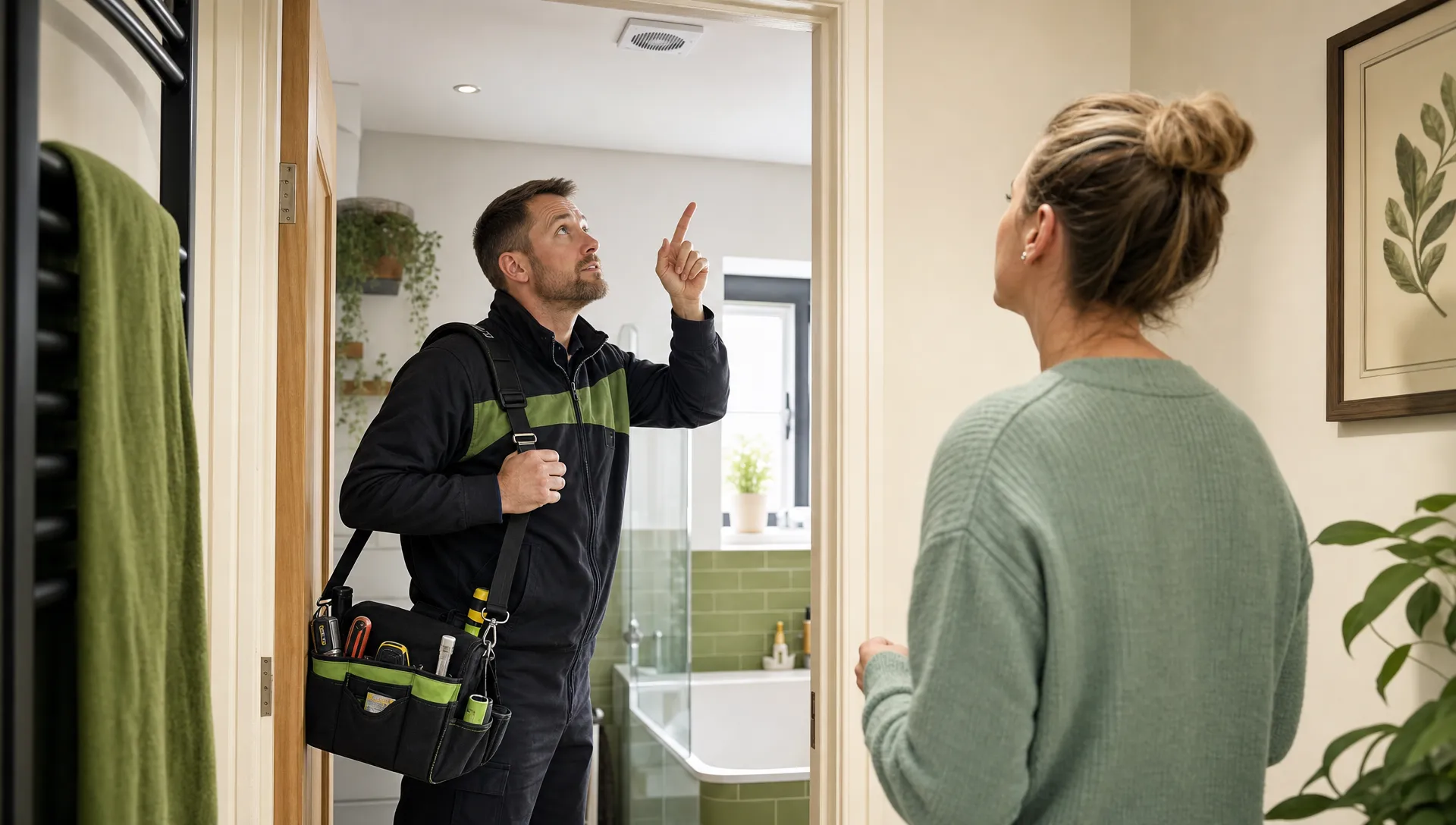
Many modern fans do not work like a simple on-off switch. A timer fan may continue running for several minutes after the light goes off. A humidistat fan may only start when moisture reaches a set level. A fan with both features may appear faulty if the settings are wrong or the sensor has failed.
If the bathroom extractor fan not working issue is really an intermittent timer or humidistat problem, an electrician can test whether the fan is receiving power correctly and whether the control module is responding. This is especially useful where the fan worked reliably before, then started running at odd times or stopped responding after a light fitting, pull cord or switch was replaced.
Which tradesperson should you call?
For most bathroom extractor fan faults, call an electrician. They can test the supply safely, confirm whether the switch, timer, isolator or fan unit has failed and replace the fan where needed. This is the right route for no power, tripping circuits, humming motors, burnt smells and any fault involving wiring.
A Ventilation & AC Engineer may be the better choice if the fan runs but the bathroom still suffers from heavy condensation, mould or poor airflow due to long ducting, an unsuitable fan type or a badly planned ventilation route. In some homes, especially flats and converted properties, the issue is not the fan itself but the way air leaves the room.
If you want to understand likely labour rates before booking, you can compare transparent local electrician rates on HaMuch. This is useful whether you are in London, Birmingham, Manchester or a surrounding town, because electrical call-out and hourly rates vary by location.
What affects the cost of fixing or replacing the fan?
The final cost depends on what is actually wrong. A quick test and like-for-like fan replacement is usually simpler than installing new ducting, adding an isolator switch or tracing a hidden wiring fault.
Common cost factors include the type of fan, whether it is wall-mounted or ceiling-mounted, whether there is safe access to the duct, how far the cable run is, whether the fan has a timer or humidistat and whether the circuit needs fault-finding before replacement.
HaMuch is built to make this part less vague. Instead of asking you to accept a rough guess with no local context, HaMuch shows real, comparable pricing by trade and UK location, along with local tradesperson listings and genuine customer reviews. You can compare first, then decide who to contact.
If your bathroom has ongoing condensation even with a working fan, mention that when you post the job. The tradesperson may need to assess airflow, not just replace the fan unit.
Advice for landlords and property managers
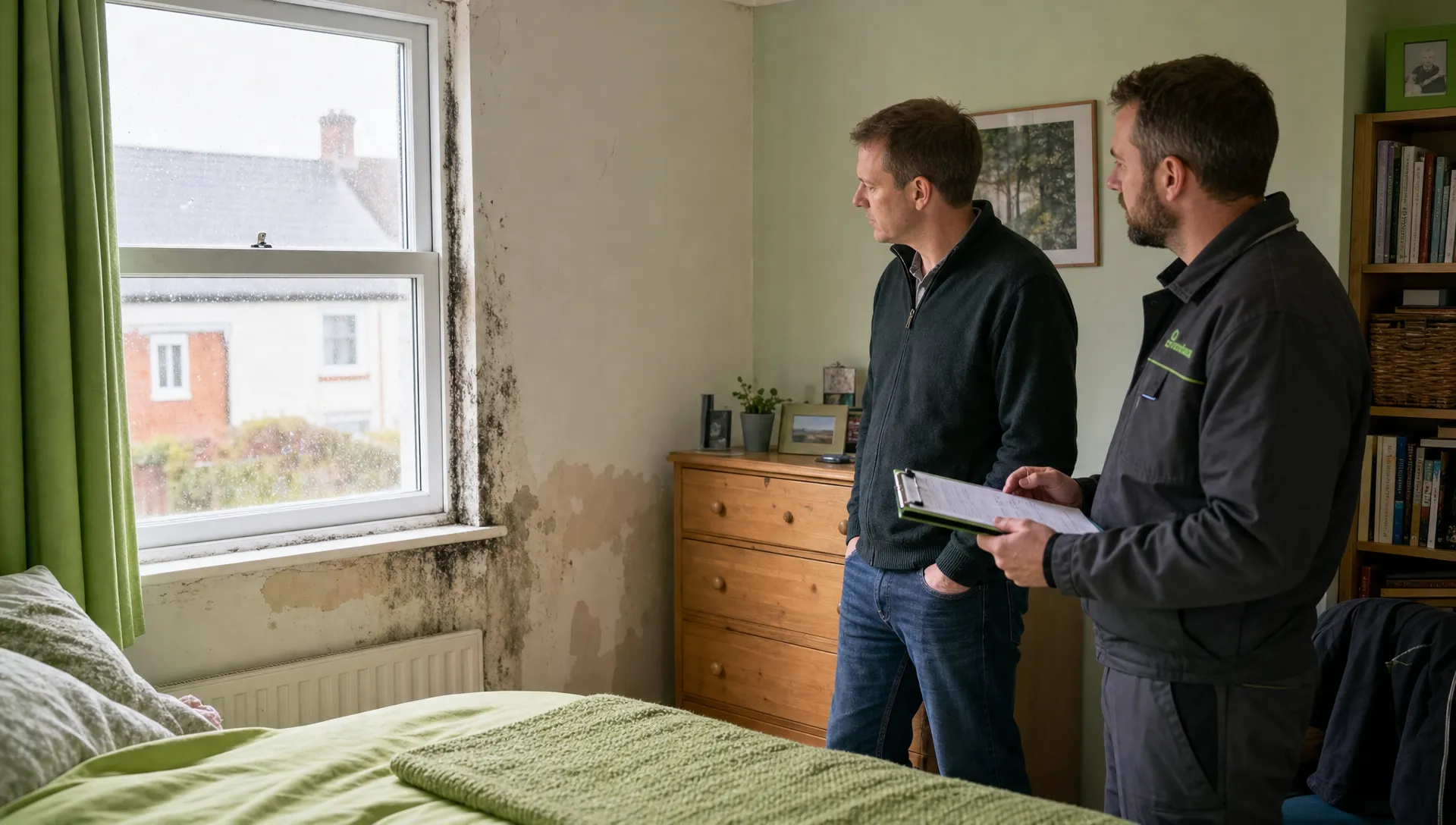
For landlords, a bathroom extractor fan not working is worth dealing with promptly because poor ventilation can lead to condensation, mould complaints and damage to decoration or plaster. Tenants may describe the issue as damp or mould rather than a fan fault, so check whether the fan turns on, runs on after showers and actually pulls air from the room.
Private landlords in England must keep electrical installations safe, and the government provides guidance on electrical safety standards in the private rented sector. If a tenant reports tripping electrics, burning smells or a fan that has stopped completely, arrange an electrician rather than asking the tenant to investigate.
For managed properties, it helps to give the tradesperson access notes, fan photos from a normal room distance, the age of the property and any history of damp. That makes quoting easier and reduces repeat visits.
What to include when requesting quotes
A clear job description helps electricians price the work more accurately. Say whether the fan is silent, humming, running continuously or running but failing to clear steam. Mention whether it is linked to the light switch, whether there is an isolator switch and whether anything trips at the consumer unit.
Photos can help, but keep them simple: one photo of the fan location from across the room, one of the bathroom layout and one of any visible condensation or mould. Do not send close-up photos of exposed wiring, and do not remove covers to take pictures.
If your bathroom extractor fan not working problem started after another job, such as a new light fitting, ceiling repair or bathroom refit, include that detail. It may change whether the electrician expects a fan fault, a switch problem or a wiring issue.
Frequently Asked Questions
Can I replace a bathroom extractor fan myself? It is safer to use a qualified electrician, especially if the fan is wired into the lighting circuit, has a timer or is in a bathroom zone. Bathroom electrical work has extra safety requirements.
Is a bathroom extractor fan not working dangerous? It is not usually an emergency if there is no burning smell, sparking or tripping circuit. It should still be fixed, as poor ventilation can lead to condensation, mould and damage.
Why does my fan run but not clear steam? The fan may be clogged with dust, the duct may be blocked, the outside vent may be restricted or the fan may be too weak for the room. A ventilation specialist or electrician can test airflow.
Why does my bathroom fan come on with the light but then stop? That can be normal if it has a timer, but sudden changes may point to a faulty timer module, switch or wiring connection. An electrician can test it safely.
Should I turn the fan off if it smells hot? Yes. Switch it off at the isolator if safe, avoid using it and call an electrician. A hot or burning smell should not be ignored.
Get local quotes for a bathroom extractor fan fault
If the simple checks have not solved it, post the job on HaMuch and compare local electricians before booking. You can describe the symptoms, see transparent pricing for your area and choose from tradespeople with genuine customer reviews.
Whether you need fault-finding, a replacement fan or advice on poor bathroom ventilation, request quotes through HaMuch and compare before you decide. There is no obligation to book, and it is free for homeowners to use.