Find affordable tradespeople

HaMuch is Excellent

Currently Viewing Posts in Tiler

How Much Does a Full Bathroom Fitting Cost in 2026?

How Much Does a Full Bathroom Fitting Cost in 2026? - Main Image

If you are planning a full bathroom refit in 2026, a realistic UK budget is usually £5,000 to £12,000 for a standard bathroom, including labour, removal of the old suite, fitting a new bath or shower,

If you are planning a full bathroom refit in 2026, a realistic UK budget is usually £5,000 to £12,000 for a standard bathroom, including labour, removal of the old suite, fitting a new bath or shower, basin, toilet, taps, basic plumbing work, tiling and finishing.

A simple like-for-like bathroom replacement can cost less, often around £3,500 to £6,500, while a larger bathroom with layout changes, premium fittings, extensive tiling or remedial work can easily reach £12,000 to £18,000+.

Those figures are useful for early planning, but bathroom fitting cost varies a lot by location, property type and specification. That is why HaMuch focuses on real, comparable local pricing rather than vague estimates. Before you book anyone, it is worth checking current local trade rates and comparing quotes from vetted bathroom fitters and plumbers.

Quick guide to full bathroom fitting cost in 2026

The table below gives a practical starting point for UK homeowners and landlords budgeting for a full bathroom fitting.

Bathroom refit type Typical 2026 cost range What it usually includes
Basic like-for-like refit £3,500 to £6,500 Replacing existing suite in the same positions, limited tiling, standard fittings and simple decoration
Standard full bathroom fitting £5,000 to £12,000 New suite, plumbing connections, wall and floor finishes, basic electrical work, waste removal and finishing
Higher-spec bathroom refit £12,000 to £18,000+ Layout changes, premium fittings, walk-in shower, more tiling, better storage, extra lighting or remedial work
Rental property bathroom refresh £4,000 to £8,500 Durable fittings, practical finishes, quick turnaround and minimal layout changes

These are broad planning ranges, not a fixed quote. A compact bathroom in a modern flat may be quicker and cheaper than a bathroom in an older house where floors, walls or pipework need extra attention.

What counts as a full bathroom fitting?

A full bathroom fitting usually means stripping out the existing bathroom and installing a new one so the room is ready to use. In most cases, the main trade is plumbing-led, but several trades may be involved.

A typical full bathroom refit may include removing the old bath, shower, toilet, basin, taps, flooring and tiles. The fitter then prepares the room, makes plumbing alterations where needed, fits the new suite, organises tiling or wall panels, installs flooring, seals everything, and finishes the room with paint, trim and accessories.

Bathrooms often also need electrical work, such as an extractor fan, lighting, mirror light or shaver socket. Electrical work in bathrooms should be carried out by a competent person, and some work may need certification under UK Building Regulations. The Competent Person Register is a useful official resource if you want to understand when certified trades are needed.

Typical bathroom fitting cost breakdown

A full bathroom quote may be presented as one total price, but it helps to understand where the money goes. Labour is often a major part of the bill because bathroom refits involve several stages and the tradesperson may need to coordinate plumbing, tiling, joinery, plastering and finishing.

Cost item Typical 2026 range Notes
Strip-out and disposal £300 to £800 Higher if access is difficult or there is lots of old tiling and flooring to remove
Plumbing and fitting the suite £800 to £2,500 Depends on whether items stay in the same place or pipework needs moving
Tiling or wall panels £800 to £3,500 Full-height tiling costs more than part-tiling or panels
Electrics £250 to £1,000+ Lighting, extractor fans and bathroom-safe electrical fittings can add to the cost
Plastering, boarding and preparation £400 to £1,500 Often needed if old tiles damage the walls or the room needs levelling
Flooring £250 to £1,000 Vinyl, laminate, tiles and specialist bathroom flooring vary in price
Bathroom suite and fittings £1,000 to £5,000+ Bath, shower, toilet, basin, taps, screens, vanity units and accessories
Decorating and finishing £200 to £800 Painting, sealing, trims and final making-good

If your quote looks much lower than expected, check exactly what is included. Some quotes include labour only, while others include materials, disposal, tiling, fittings and VAT if the business is VAT-registered.

How location affects bathroom fitting prices

Labour rates are not the same across the UK. A bathroom fitting quote in the capital may be higher than one in a smaller town because of parking, access, congestion, operating costs and local demand. Large cities can also have more variation, especially between straightforward suburban houses and flats with difficult access.

For city budgeting, compare the latest local rates rather than relying only on a national average. HaMuch publishes transparent trade pricing, so you can check current plumber rates for London, Birmingham and Manchester and compare what tradespeople charge in your area.

It is also worth understanding how plumbers price their time, especially if your bathroom refit involves moving a toilet, altering pipework or adding a shower. HaMuch’s guide to the average plumber hourly rate in the UK explains typical hourly charges, first-hour rates and day rates in more detail.

Example bathroom fitting budgets

A small rental bathroom with a basic white suite, practical flooring, splashback tiling and no layout changes may sit towards the lower end of the range. Landlords often prioritise durability, easy cleaning and a quick turnaround, so spending more on robust taps, decent sealing and good ventilation can be better value than choosing expensive decorative finishes.

A standard family bathroom usually costs more because it often includes a bath with shower over it, a screen, vanity basin, new toilet, heated towel rail, floor covering, wall tiling or panels, extractor fan and finishing. This is where many UK homeowners fall into the £5,000 to £12,000 range.

A higher-spec bathroom can become expensive quickly. Moving the bath, changing from a bath to a walk-in shower, adding recessed storage, choosing large-format tiles, installing underfloor heating or repairing hidden water damage can all push the total upwards.

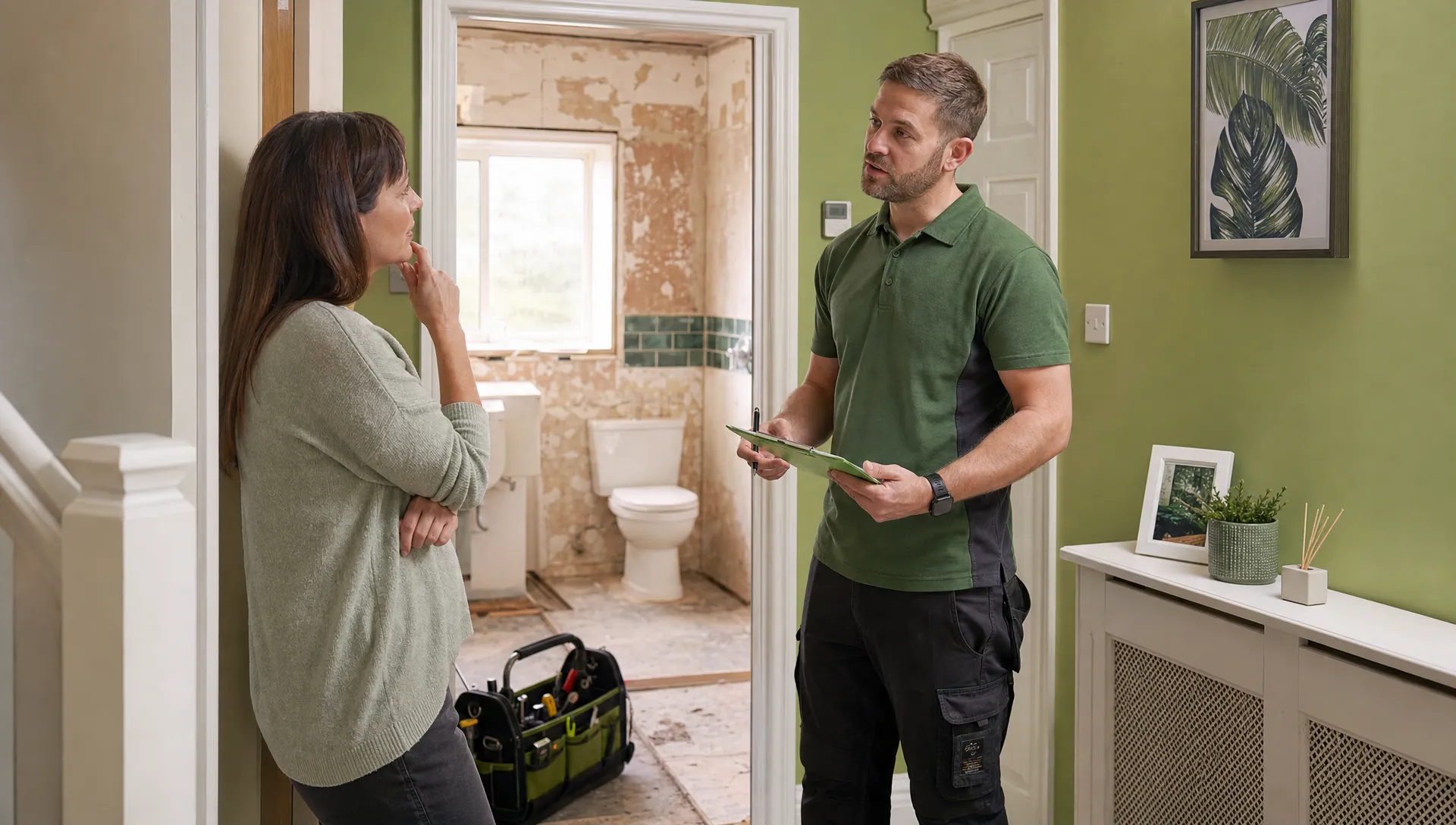
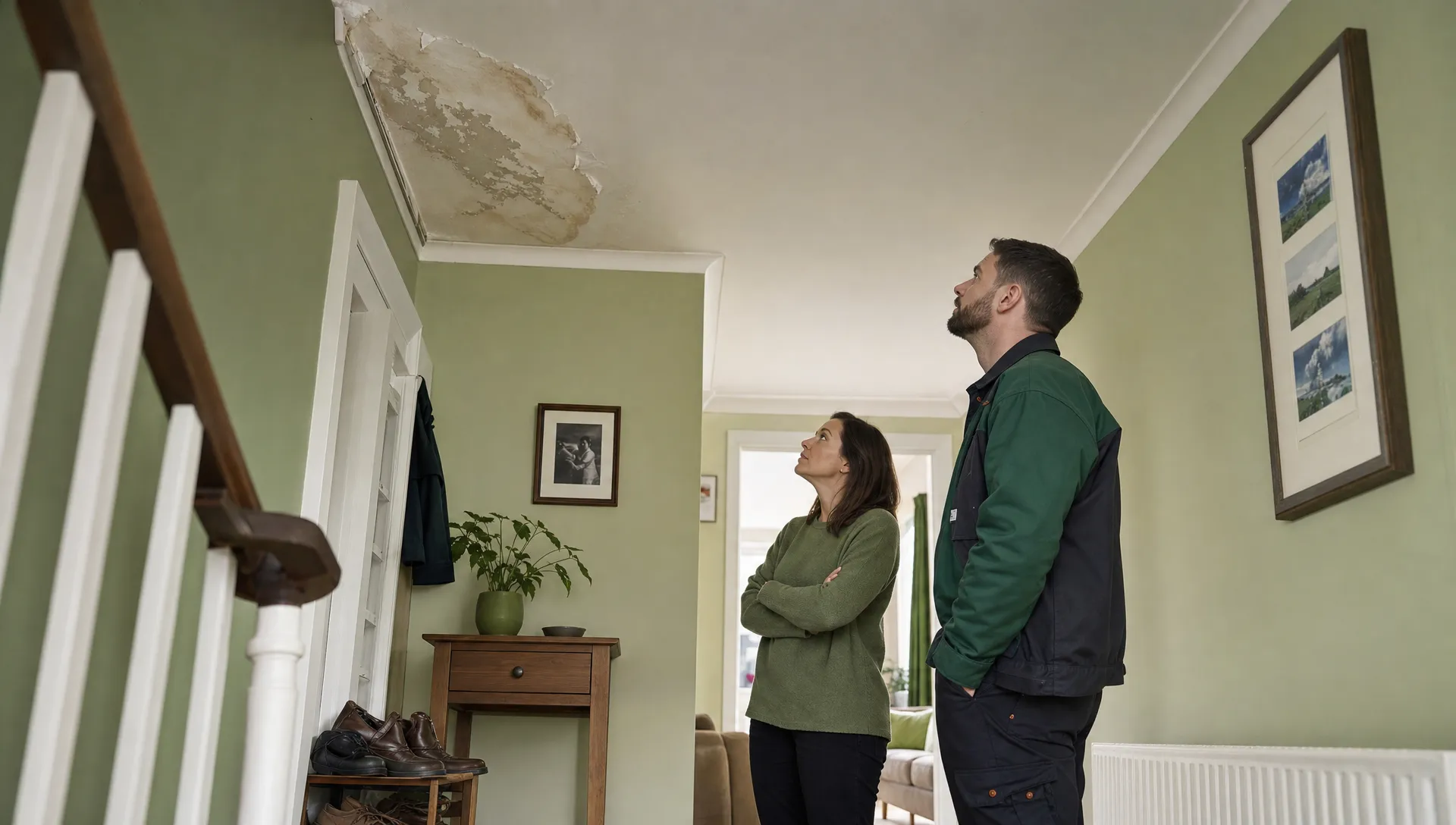
A realistic photo of a bathroom fitter in a British bathroom hallway, speaking with a homeowner while holding a clipboard, with the partly stripped bathroom visible through the open door and a tool bag on the floor nearby.

The biggest factors that change the final price

The size of the bathroom matters, but it is not the only factor. A small bathroom can be surprisingly expensive if it has awkward access, poor walls, old plumbing or lots of tiling. A larger room can be more cost-effective if the layout stays the same and the surfaces are easy to prepare.

The main cost drivers are usually:

  • Changing the layout: Moving a toilet, bath, basin or shower usually means extra plumbing, flooring and making-good.
  • Tile choice and coverage: Full-height tiling and large-format tiles usually cost more to fit than part-tiling or bathroom wall panels.
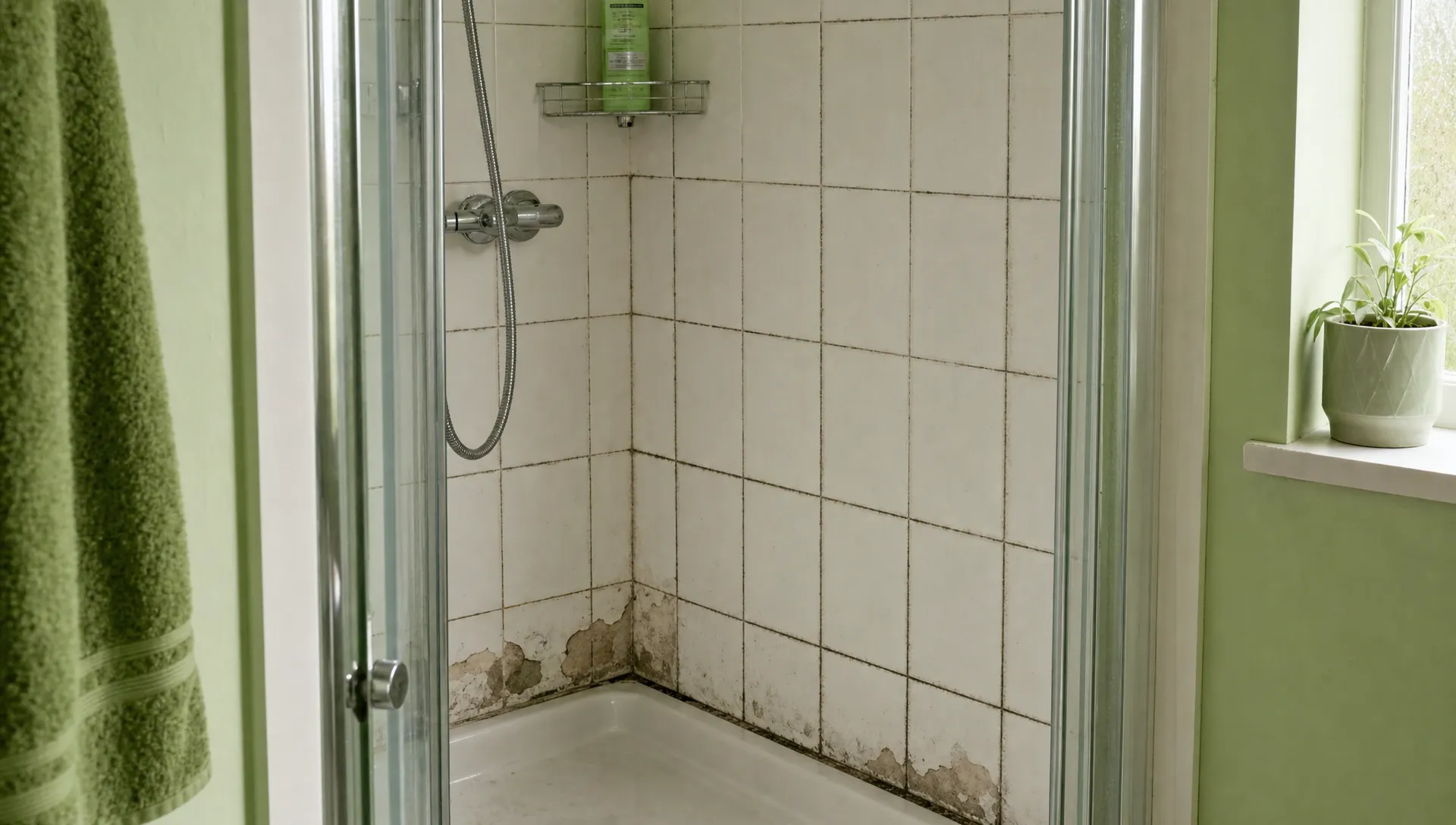
  • Condition of walls and floors: Damp, rotten floorboards, cracked plaster or uneven walls can add preparation time.
  • Access and parking: Flats, top-floor properties and homes without nearby parking may take longer to work in.
  • Quality of fittings: Budget suites can keep costs down, while designer taps, concealed showers and custom storage add cost.
  • Electrical additions: Extractor fans, extra lighting and heated mirrors increase the bill, especially if wiring needs upgrading.
  • Waste removal: Removing old tiles, sanitaryware and packaging should be priced clearly.

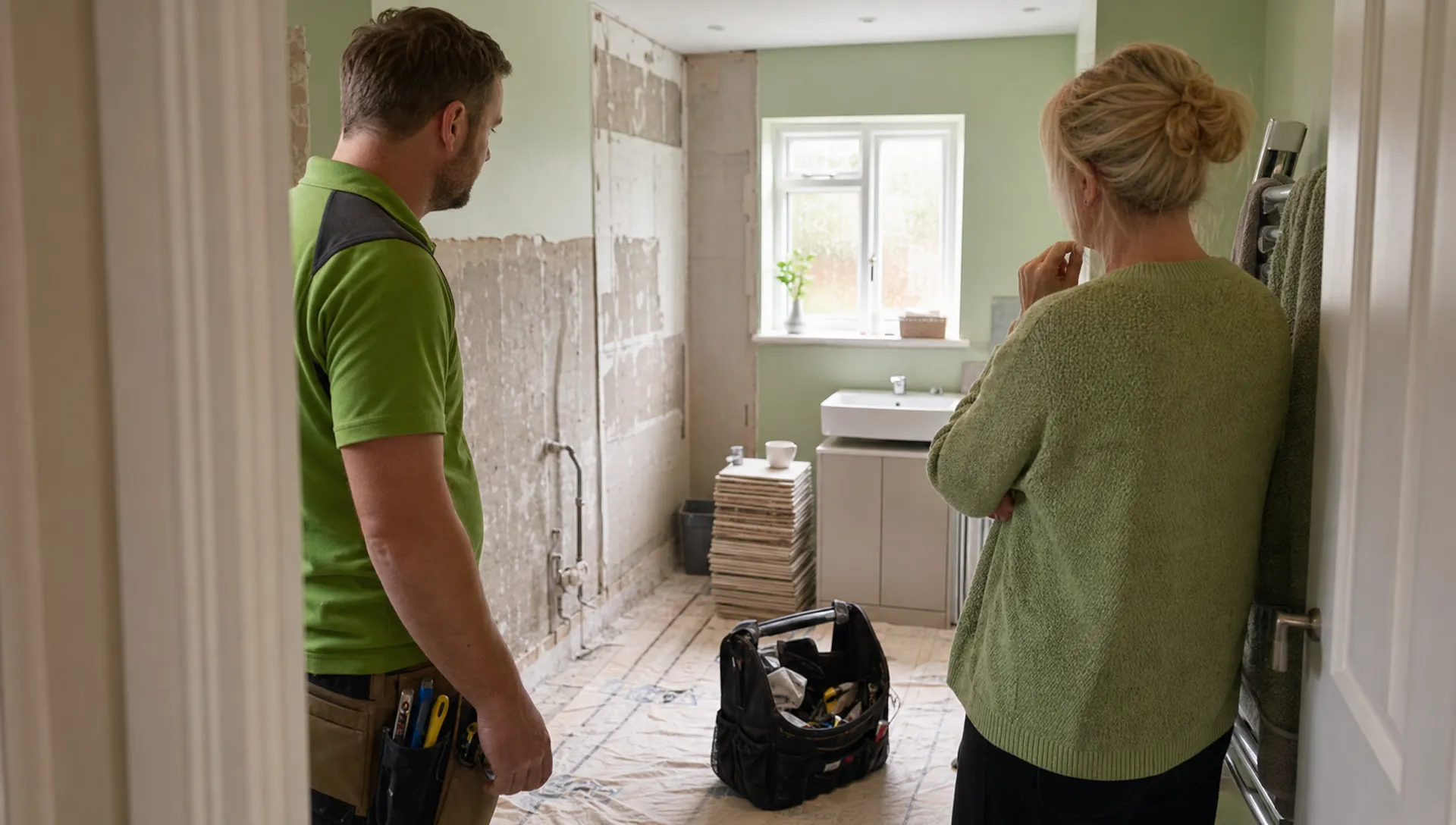
One of the most common surprises is preparation work. When old tiles come off, walls may need plastering or reboarding before new finishes can be installed. This is not always obvious during a quick first look, so a good bathroom fitter will explain possible extras before work starts.

Labour-only versus supply-and-fit bathroom quotes

When comparing bathroom fitting quotes, check whether each quote is labour-only or supply-and-fit.

A labour-only quote means you buy the bathroom suite, tiles, taps, shower, accessories and sometimes even adhesive, grout and sealant. This can work well if you want full control over the products, but it also puts more responsibility on you. If a part is missing, damaged or delayed, the fitter may have to stop work.

A supply-and-fit quote means the tradesperson or company provides some or all of the materials. This can be simpler, especially if the fitter is coordinating the project, but you should still ask for a clear list of what is included. Make sure the quote names the suite, taps, shower, flooring and tile allowance so you can compare like for like.

There is no single best option. Homeowners who know exactly what they want may prefer buying the suite themselves. Landlords or busy property managers may prefer a supply-and-fit quote because it reduces admin and can make turnaround easier.

How long does a full bathroom fitting take?

A straightforward full bathroom fitting usually takes one to two weeks, depending on the size of the room and the number of trades involved. A simple like-for-like replacement may be quicker, while a more complex job with tiling, plastering, electrics and layout changes can take longer.

Delays often happen when hidden problems appear after strip-out, materials arrive late or different trades need to be scheduled in the right order. For rental properties, it is wise to agree a realistic start date, expected duration and daily access arrangements before work begins.

If the bathroom is your only toilet or shower, ask the fitter how long each facility will be out of use. A good tradesperson should be able to explain the disruption clearly, even if they cannot avoid it completely.

How to compare bathroom fitting quotes properly

The cheapest bathroom fitting quote is not always the best value. A low price can be fine if the job is simple and the quote is clear, but it can become expensive if important items are missing.

Ask each bathroom fitter to confirm the same key details:

  • What is included in the price: Labour, materials, suite, tiles, disposal, VAT and finishing should be clear.
  • Who is doing specialist work: Plumbing, electrics, tiling and plastering should be handled by suitable trades.
  • What is excluded: Hidden repairs, extra tiling, upgraded fittings or additional electrical work may cost more.
  • How long the work will take: Ask for an estimated start date and completion window.
  • How changes are priced: Agree how extra work will be quoted before it is carried out.
  • What guarantee is offered: Check workmanship guarantees and product warranties separately.

HaMuch is built to make this easier. Instead of guessing what a fair price should be, you can compare local tradespeople, see transparent pricing information and read genuine customer reviews before deciding who to contact.

Bathroom fitting tips for landlords

For landlords and property managers, the best bathroom is often the one that is reliable, easy to maintain and quick to repair. It may be tempting to choose the cheapest fittings, but very low-cost taps, toilet seats and shower screens can wear out quickly in rental homes.

A practical rental bathroom budget should include good ventilation, water-resistant finishes, simple sanitaryware and easy-clean surfaces. If you manage several properties, standardising fittings can also make future repairs easier because replacement parts are more familiar.

The other big consideration is downtime. If a tenant is living in the property, clarify working hours, water shut-off times and how waste will be removed. If the property is empty between tenancies, booking the work early can help avoid delaying a move-in date.

When a bathroom quote may increase

Even with a careful survey, some costs only become visible once the old bathroom is stripped out. This is especially common in older properties, where previous repairs may have hidden damp, poor flooring, loose plaster or outdated pipework.

Common extras include replacing rotten floorboards, improving ventilation, repairing leaks, reboarding walls, levelling floors, upgrading unsuitable electrical items and dealing with poor previous workmanship.

This does not mean you should accept an open-ended bill. Ask the fitter to explain possible risks in advance and to get your approval before carrying out extra work. A clear written quote protects both sides.

Frequently asked questions

What is the average bathroom fitting cost in the UK in 2026? A standard full bathroom fitting usually costs around £5,000 to £12,000 in 2026. Simple like-for-like refits may be closer to £3,500 to £6,500, while premium or complicated projects can exceed £18,000.

Does bathroom fitting cost include the bathroom suite? Not always. Some quotes include the suite, taps, shower, tiles and flooring, while others are labour-only. Always ask for a written breakdown so you know exactly what is included.

Is it cheaper to keep the same bathroom layout? Yes, in most cases. Keeping the toilet, basin, bath or shower in the same positions usually reduces plumbing, flooring and making-good costs.

How long should a bathroom fitter take? Many full bathroom refits take one to two weeks. Larger bathrooms, extensive tiling, layout changes or hidden repairs can extend the timeline.

Do I need a plumber or a bathroom fitter? For a full bathroom fitting, many homeowners hire a bathroom fitter who can coordinate the job. Because plumbing is central to the work, you should make sure a suitably experienced plumber handles the water and waste connections.

Compare bathroom fitting quotes with HaMuch

A full bathroom fitting is a big investment, so do not rely on a single rough estimate. Compare real local prices, check reviews and ask for clear written quotes before you commit.

With HaMuch, homeowners and landlords can find vetted local tradespeople, compare transparent pricing and request quotes for free with no obligation to book. Start by checking the likely bathroom fitting cost in your area, then speak to local tradespeople who can price your exact job properly.

Tiles for Your Home: Quartz Tiles

If you want to renovate your home, one of the most popular styles to use is quartz tiles. Quartz tiles are also known as engineered tiles and they are a composite material that is made from a combination of quartz, sand, colour pigment and resin. These tiles give you a sparkling star like appearance which is why people often referred to them as starlight quartz tiles.

In terms of quality, the percentage of the resin used in tile is generally what determines the overall quality. A ratio of 7% resin and 93% quartz is considered to be the optimum ratio, while a higher resin content than this can make it less scratch resistant, but also more porous, which may cause some installation problems.

Quartz tiles are available in various sizes as well as colours, and most of them have a shiny surface. However, it is not as shiny as marble for example, which still makes it very popular and very versatile as well. Quartz tiles are available in various thicknesses, generally 10 mm and 12 mm. Although the 10 mm tile may be cheaper, it is recommended to use a 12 mm tile as these are less susceptible to warp and twist from heat exposure.

The only downfall with quartz tiles is that since it is a resin-based product, it would not be suitable to use with underfloor heating. The resin inside the quartz is susceptible to expansion and contraction when subjected to heat, which is exactly what underfloor heating will do.

As with any installation, always consult an expert tiler to give you the best advice on quartz tiles or any other option you may want to consider. Working with a professional tiler will ensure that your tiles are properly installed and that the workmanship is guaranteed. They will also help you to choose the perfect tile in terms of design, style and texture tiles or your home.

If you want to install quartz tiles to be installed at home for a modern touch, visit HaMuch to find a professional tiler in your area to help you with a professional installation.

Tiles for Your Home: Hexagon Tiles

hexagon tiles

When it comes to choosing the best tiles for your home, hexagon tiles can be a great option to consider. Hexagon tiles have six sites and they are ideal for homeowners who want to change things up a bit.

Whether you are looking for something modern or even a classic style, this style has a shape that can give you both. They are very versatile and come in a wide variety of colours and designs to choose from.

There are many different styles available when it comes to choosing hexagon tiles, including Victorian, Moroccan, and Mosaic styles. If you choose unglazed black and white hexagon tiles, you will basically have a beautiful British floor which is perfect for a high tea. This monochromatic look has been popular many generations and it is the perfect choice if you’re looking for a floor or wall to stand the taste of time.

Also keep it simple by sticking to one colour for your wall or floor. The benefit is that hexagons will add an extra dimension, keeping it from looking too plain. You can combine two colours for a little extra style, especially if you want to complement existing decor in the room.

Many people choose hexagon tiles in order to add a vintage look to a specific room in their house. Hexagon tiles can work very well for people who want to look modern and it can be used in conjunction with rectangular subway tiles as well as round Penny tiles to offer great and unique patterns.

Hexagon tiles are mostly made from porcelain and they can be used safely on any wall or floor. Porcelain is very tough and durable material and it is really easy to live with. Popular areas where you can use hexagon tiles include your bathroom, kitchen, and even feature walls. You can even cover part of a wall in hexagon tiles to add some character, and to complement existing decor in the room.


As with any home improvement project, choose to work with a professional tiler to help you choose the right tile for a specific room in your house. This will also ensure that you get quality workmanship that is guaranteed, as you want your tiling project to be perfect.

If you want to install hexagon tiles to be installed at home for a modern touch, visit HaMuch to find a professional tiler in your area to help you with a professional installation.

Tiles for Your Home: Wood-effect Tiles

wood effect tiles

When deciding on the right type of flooring for your home, it’s important to consider all your options. Wood-effect tiles are becoming increasingly popular, as it is not only highly versatile but also very modern and practical too.

Wood-effect tiles can be installed in almost any room in the house, and it comes in various styles and colours. Here are a few advantages of choosing wood-effect tiles for your home:

  • Porcelain or ceramic floor tiles are harder wearing than wooden flooring
  • Wood-effect tiles will not fade or become darker like real wood
  • They can be laid in a variety of styles to give a true wooden floor effect
  • There are a wide variety of styles to choose from, including wood shades such as pine, oak, limed oak, and mahogany
  • These tiles can be waterproof so it will not warp if you have them installed in rooms such as a kitchen
  • You can enhance your underfloor heating system with a tiled floor
  • If you should experience a damaged tile, it is easy to replace

Wood-effect tiles for your home and be a great way to add value to your house, as you will have the effect of wooden floor, but with all the benefits such as affordability and convenience. With such a wide variety of patterns and colours to choose from, you can install a beautiful floor in almost any room in the house.

When it comes to installing tiles, it’s always recommended to work with an expert to ensure that you can be rest assured that your home will look professional and perfectly decorated. With so many different tiles available, it is also essential to have the guidance of an expert to choose the right type of tile as well as the colour and the style you want.

Always make sure that the style you choose is practical for the environment it will be installed in, so that you can complement your entire room with wood-effect tiles.

If you want to install wood-effect tiles at home for a modern touch, visit HaMuch to find a professional tiler in your area to help you with a professional installation.


Tiles for Your Home: Metro Tiles

metro tiles

There are many reasons why you might want to install tiles for your home. Not only does it look modern, but it is very practical and much easier to clean. Tiles can be installed by professional in almost any room of your house, and there is a wide variety of styles to choose from.

Tiles can make a huge difference to your home. Not only in terms of looks, but also in terms of practicality. Tiles make the house look modern and clean, and you can create a variety of great styles and designs with specific tiles. Tiles can be an affordable way of improving any home, especially older homes that need to be upgraded and revamped.

There are also different tiles available, including non-slip tiles for areas such as you both room or patio area, and even tiles that look like wood for a stylish touch to any room. Tiles can also be added to your roof as well as to walls, making them a very convenient feature.

What Are Metro Tiles?

Metro tiles are very popular, and they refer to small, rectangular styles that can add character to both your kitchen and bathroom walls. Bathroom and kitchen wall tile designs are similar to the iconic London Underground, which is a style that suits urban and retro rooms perfectly.

Metro tiles can be colourful and fun, as some of them are neutral, some are bold, and some are patterned. Some tiles are flat where others are more bevelled to draw more attention.

Metro tiles are not only reserved for your kitchen or bathroom; you can have metro tiles installed on the roof of your home, as they are slowly becoming a very popular choice. It is also very durable alternative to concrete, slate and Clay, and he can be cost-effective when professionally installed.

There are different types of metro tiles available, including:

  • Brick metro tiles
  • PVT metro tiles
  • Edge metro tiles
  • Efeso metro tiles

Brick metro tiles are vintage looking, while Efeso tiles are modern and impressive. The type of tile you choose will depend on your interior and your personal style, which is why an interior designer or experienced tiler can help you make the right choice.

If you want to install metro tiles at home, visit HaMuch to find a professional tiler in your area and make your home beautiful and practical.


Tiles for Your Home: Non-slip Tiles

bathroom upgrades

Choosing the right type of tile for your home can be challenging, especially since there is such a wide range of choices available. Homeowners should choose between a specific style they want, as well as the type of tile that will work best in the specific environment.

It is important to be practical when you consider a specific home tile, as you need to add value to your home but also ensure that every room will be practical. The first tile you see won’t necessarily be the best, but with a bit of shopping and some experts tips from a professional tiler you can get the best tiles for your home.

When it comes to installing tiles at home, there are a few aspects to consider:

  • consider the area to be dialled
  • choose the right type of tile
  • taste the tile in the environment
  • calculate the number of times needed

These are some of the factors you should consider when choosing tiles, as you need to ensure that you choose the right type of tile for the specific environment in your home. Whether it’s wall tiles, or non-slip tiles for your bathroom floor, you may want to work with a professional tiler to ensure that you choose the right type of tile to install.

Installing Non-slip Tiles

Non-slip tiles are ideal for various rooms in the house, especially where you want to ensure you have additional grip. These tiles are slightly textured to add extra friction between your feet and the ground.

The type of non-slip tile you choose will depend on the type of room you want to install the tiles in. Also consider the level of dampness on the floor, for example, in your bathroom you will require a more gripping tile as there will be wet conditions as you step in and out of the bath or the shower. Other areas such as your bedroom, for example, won’t need to have as effective non-slip tiles as your bathroom. There are different resistance ratings for non-slip tiles, depending on the type of tile you need to use.

You might also want to install non-slip tiles outdoors, for example on your deck or patio area. This will help people to be safer outside, without slipping or falling.

If you want to install non-slip tiles at home, visit HaMuch to find a professional tiler in your area and make your home beautiful and practical.