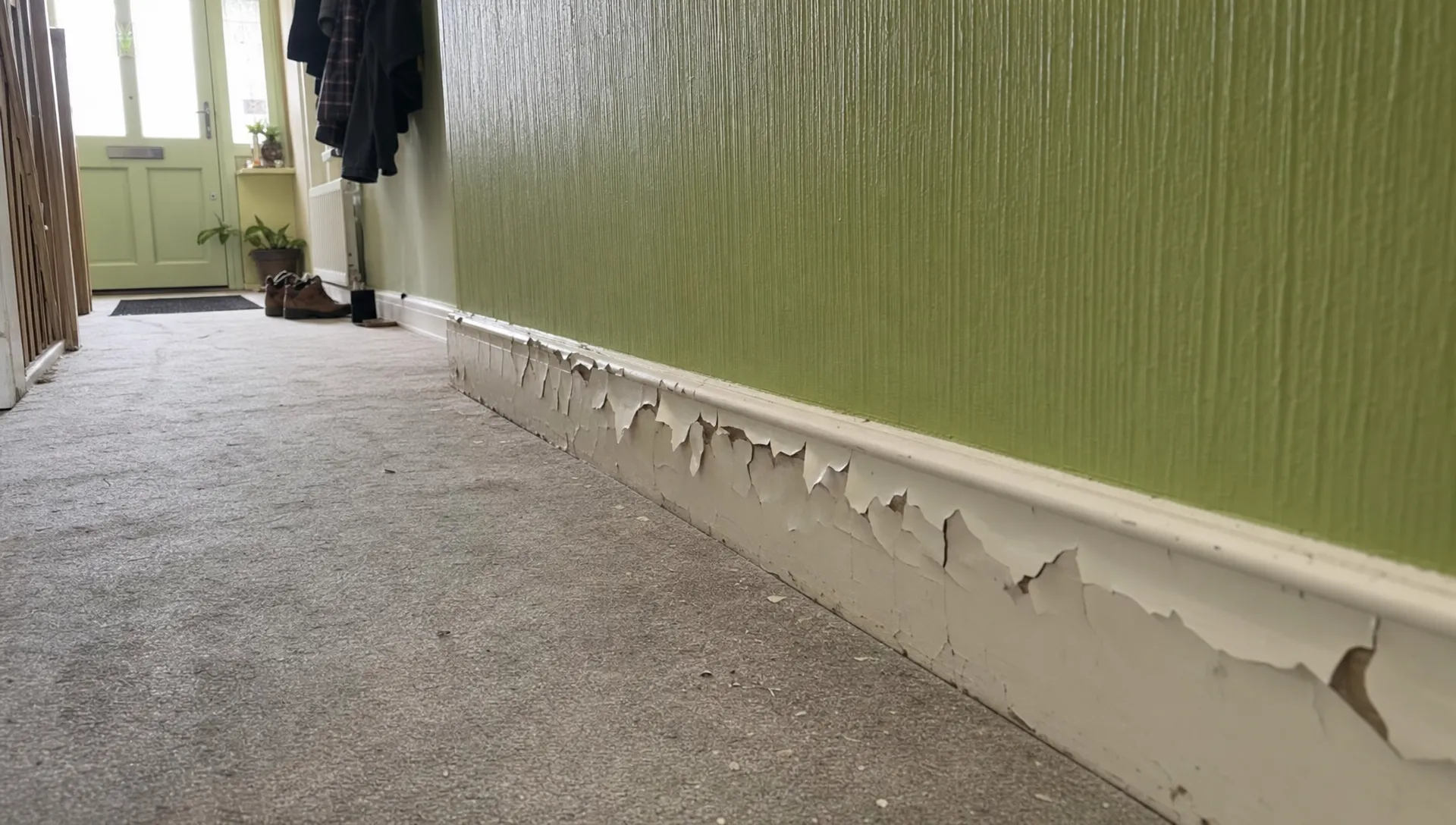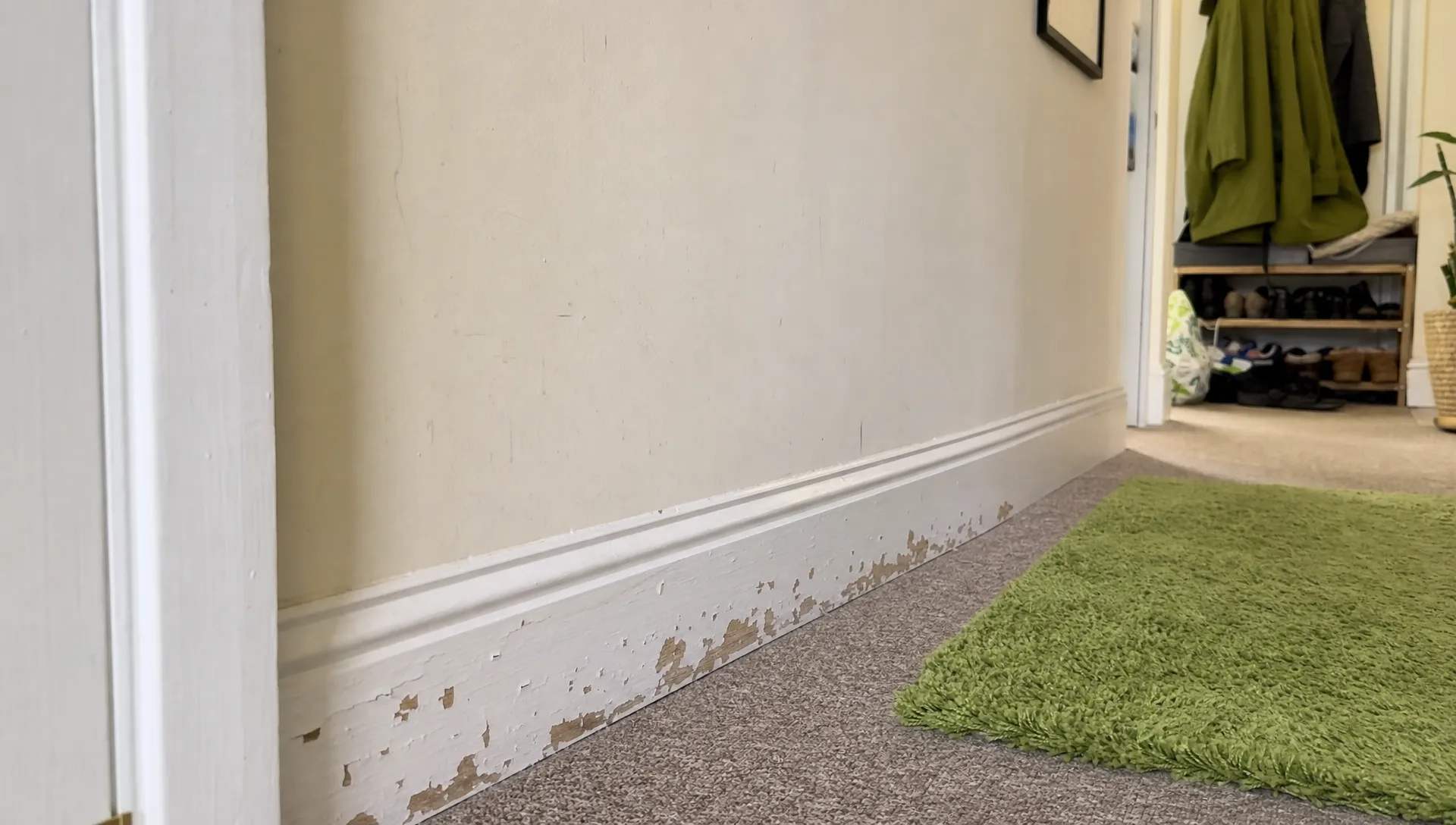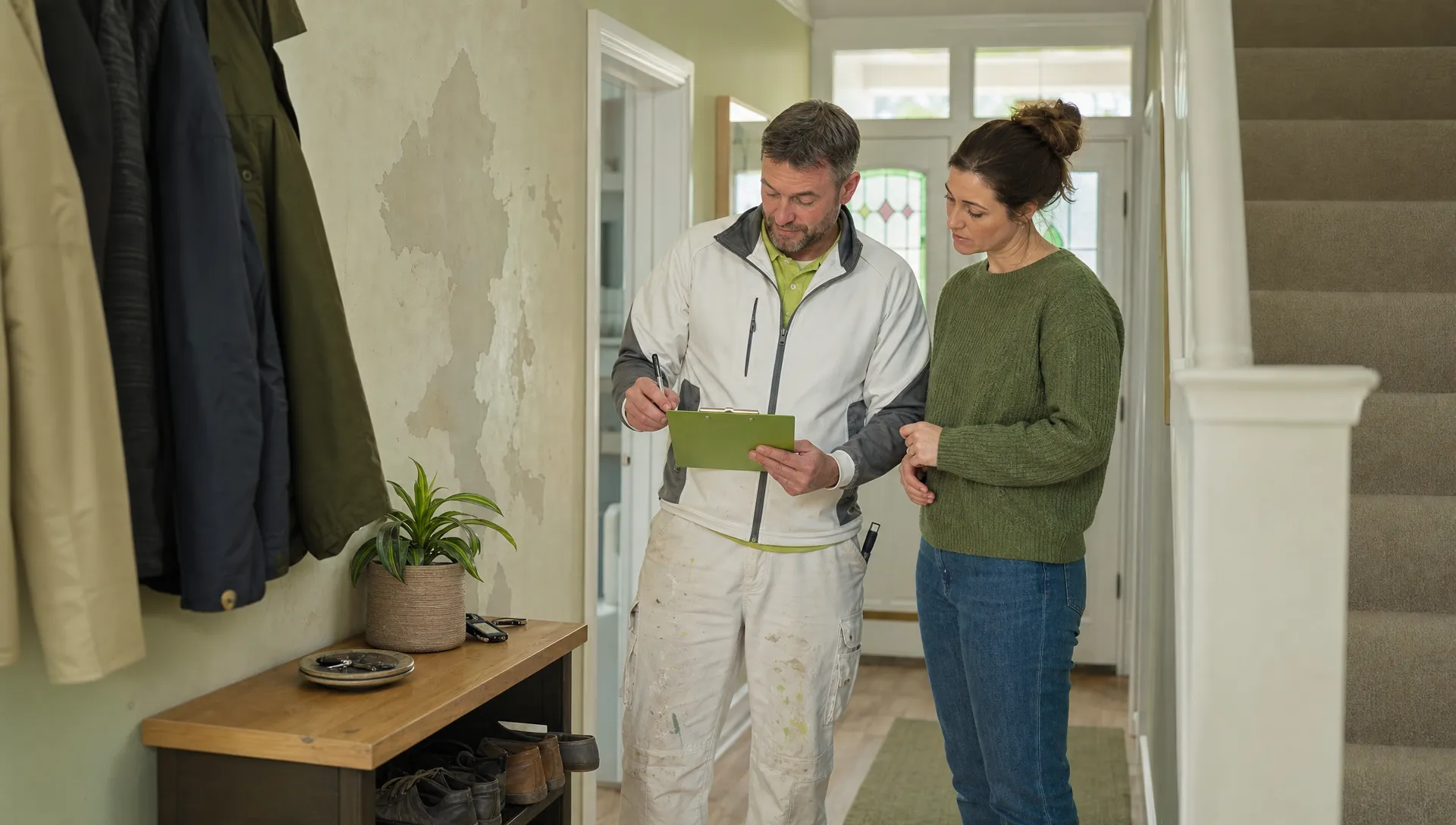
Wallpaper peeling away from the wall is annoying, but it is also useful evidence. If the wall is dry and only one seam has lifted, it may be a simple decorating repair. If the paper feels damp, smells
Wallpaper peeling away from the wall is annoying, but it is also useful evidence. If the wall is dry and only one seam has lifted, it may be a simple decorating repair. If the paper feels damp, smells musty or keeps coming loose after you stick it back, the wallpaper is probably showing you a problem behind the surface.
If you searched for wallpaper peeling off wall because it has suddenly started lifting, start with a few quick checks before buying more paste. The right next step depends on whether this is a decorating issue, a damp issue, a leak or a plaster problem.
Quick checks before you try to fix it
Do not pull large sheets off straight away. You may remove useful clues, and if the wall is damp you could make a small repair look much worse.
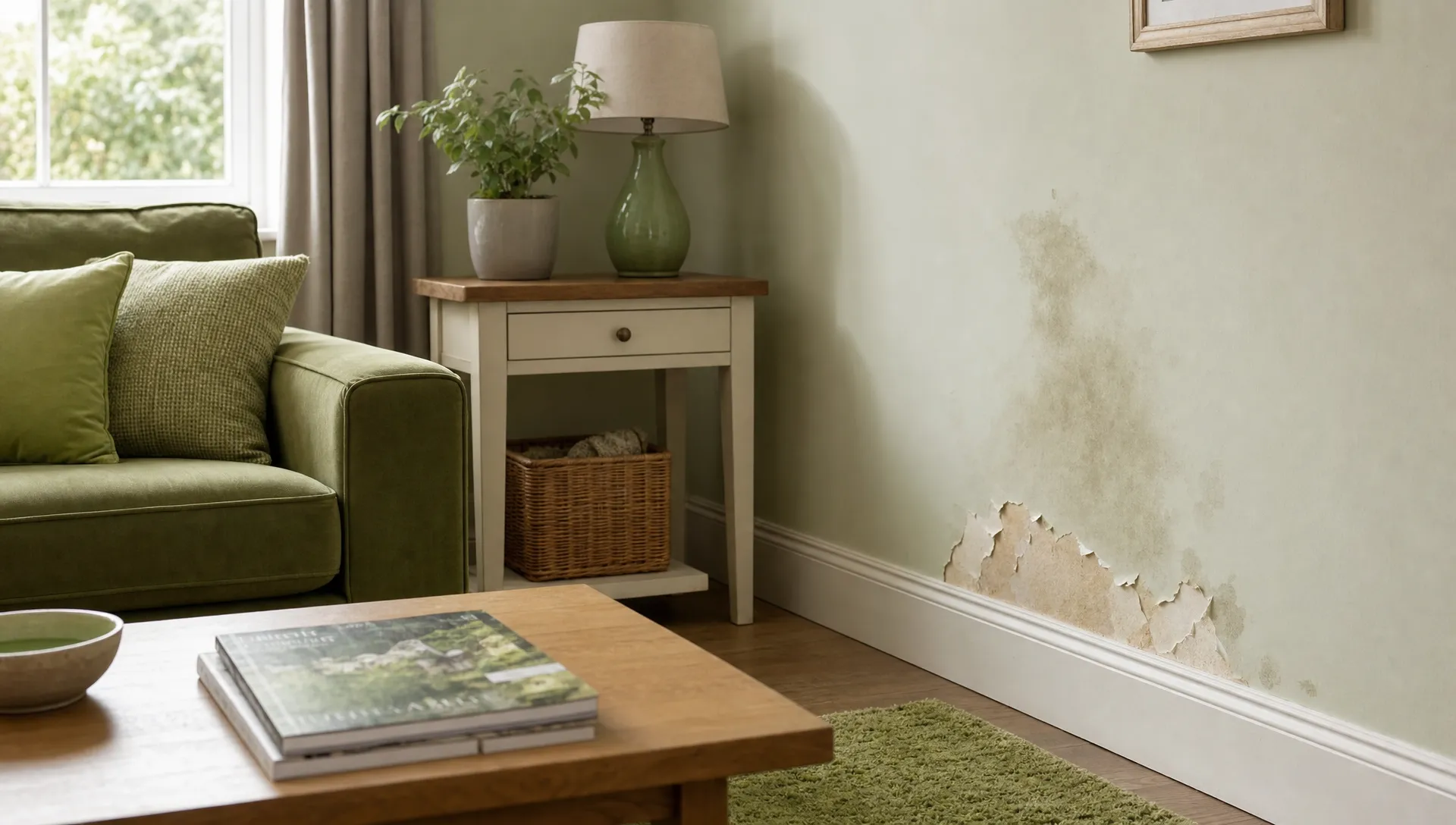
Start by looking at where the wallpaper is peeling. Paper lifting near a window, external wall, chimney breast, bathroom, kitchen or radiator can point to moisture. Paper lifting across a whole room, especially soon after decorating, often points to poor wall preparation or paste failure.
Use the back of your hand to feel the wall lightly. If it feels cold and slightly damp, or if there is a musty smell, staining, black specks, bubbling paint or soft plaster underneath, treat the wallpaper as a symptom rather than the main problem.
If water is actively dripping or running down the wall, turn off the water at the stop tap if you can do so safely and call a plumber. If the wall is wet near sockets, switches or electrical fittings, do not touch the electrics. Turn off the affected circuit only if it is safe and easy to do, then get professional help.
Common causes of wallpaper peeling and who to call
Most dry peeling wallpaper is handled by a painter and decorator. If the wall is wet, crumbling or stained, another trade may need to fix the root cause before any redecorating will last. You can compare current painter and decorator rates on HaMuch before asking for quotes, which helps you avoid vague national averages and see real local pricing.
| Likely cause | What you might notice | Trade usually needed first |
|---|---|---|
| Poor surface preparation | Dry seams lifting, paper coming away in sheets, no staining or smell | Painter & Decorator |
| Old paste or old wallpaper | Edges curling, brittle paper, gaps at seams | Painter & Decorator |
| Condensation | Peeling near windows, external walls or behind furniture, possible black mould | Ventilation & AC Engineer, then Painter & Decorator |
| Plumbing leak | Localised damp patch, staining, peeling below a bathroom or near a radiator | Plumber |
| Penetrating damp | Peeling after rain, damp on an external wall, chimney breast or ceiling edge | Builder or roofing and guttering specialist |
| Damaged or fresh plaster | Bubbling, hollow patches, powdery plaster or paper not sticking to new walls | Plasterer, then Painter & Decorator |
| Heat and steam | Peeling in kitchens, bathrooms or behind radiators | Painter & Decorator, sometimes Ventilation & AC Engineer |
This table is a guide, not a diagnosis. The important point is sequence. If moisture is causing the paper to lift, a decorator can make it look better for a short time, but the wallpaper will often peel again until the damp, leak or ventilation issue is fixed.
When it is probably a decorating problem
A straightforward decorating issue is likely when the wall feels dry, there are no brown stains, no mould, no soft plaster and the peeling is mainly at seams or corners. This can happen when wallpaper has been hung over dusty plaster, shiny paint, old paste residue or a wall that was not properly sealed before papering.
It can also happen if the wallpaper is old. Paste weakens over time, especially in rooms with changing temperatures. South-facing rooms, radiator walls and homes that have been empty for a while can all have curling edges without there being a leak.
A painter and decorator may repair a small lifted seam with specialist seam adhesive, smooth down blisters, strip and rehang a damaged section or recommend removing and repapering the wall. If several drops of paper are loose, patching may not be the best use of money because the remaining adhesive may already be failing.
For landlords and property managers, it is worth asking the decorator whether the repair is cosmetic or whether they can see signs of a deeper fault. That note can help you decide whether to send another trade before redecorating a rental property.
When peeling wallpaper points to damp, leaks or ventilation
Moisture is one of the most common reasons wallpaper peels away from a wall. Wallpaper paste is water based, so damp can soften it, loosen the bond and leave the paper bubbling or curling.
Condensation is common in bedrooms, bathrooms and kitchens. Warm moist air settles on cold surfaces, especially external walls, window reveals and corners with poor airflow. If the paper is peeling behind a wardrobe, near a window or in a room with regular black mould, the problem may be ventilation rather than a hidden leak. A Ventilation & AC Engineer can advise on extractor fans, airflow and practical improvements, while a decorator can repair the finish once the wall is dry.
In rental homes, damp and mould should be taken seriously. GOV.UK guidance on damp and mould in rented property makes clear that landlords should identify and deal with the underlying cause rather than simply treating mould as a housekeeping issue.
A plumbing leak is more likely when peeling is localised below a bathroom, near a radiator, behind a kitchen unit or on a ceiling line under a water source. If you suspect a leak, compare local plumber rates on HaMuch before booking, or use HaMuch's checklist for finding a reliable plumber if you have not hired one before.
Penetrating damp usually starts from outside. Rainwater can get in through cracked render, damaged brickwork, faulty gutters, failed seals around windows or roofline problems. In that case, a builder or roofing and guttering specialist usually needs to investigate before the inside wall is repaired. You can check current builder rates by location if the wallpaper is peeling on an external wall and the issue gets worse after rain.
If the wallpaper is peeling because the plaster underneath is loose, powdery or blown, a decorator may not be able to guarantee a lasting finish. A plasterer may need to repair or skim the wall first. HaMuch also lists plasterer rates, which is useful if you need to budget for wall preparation before decorating.
How much might it cost to sort?
The cost depends less on the wallpaper itself and more on what is causing it to peel. A dry seam repair is very different from a damp wall that needs a leak fixed, plaster repaired and the room redecorated.
HaMuch is built to make this easier to compare. Instead of giving you one vague figure for the whole country, HaMuch shows real, comparable pricing by trade and UK location. That matters because labour rates can vary between large city areas, surrounding towns and smaller local markets.
| Cost factor | Why it changes the quote |
|---|---|
| Size of the affected area | A small seam repair is quicker than stripping and repapering a full wall |
| Whether the wall is dry | Damp walls need the cause fixed and drying time before decorating |
| Condition of the plaster | Crumbly or hollow plaster may need repair before wallpaper will stick |
| Access | High walls, stairwells and awkward corners take longer |
| Matching existing wallpaper | Older or discontinued wallpaper may make patch repairs harder |
| Number of trades needed | A plumber, builder or plasterer may be needed before the decorator |
If you are comparing quotes, ask each tradesperson what is included. For example, does the decorator include stripping loose paper, preparing the wall and supplying adhesive, or is the quote only for hanging new paper? If a plumber fixes a leak, will they make good the wall, or will you need a plasterer and decorator afterwards?
Can you fix peeling wallpaper yourself?
If the wall is completely dry and only a small seam has lifted, a DIY repair may be enough. Gently lift the loose edge, remove dusty old adhesive, apply wallpaper seam adhesive, smooth it back down with a clean cloth and wipe away excess adhesive. Keep the room at a steady temperature while it dries.
Do not glue wet wallpaper back onto the wall. It may trap moisture, encourage mould and hide a leak for longer. You should also avoid painting over peeling wallpaper unless you are sure the surface is dry, sound and firmly stuck down. Paint can make peeling edges more obvious and harder to repair neatly.
If the wallpaper is bubbling over a wide area, the plaster feels soft or the same patch keeps peeling after repair, it is time to get a tradesperson involved. A good decorator will tell you if the job is not ready for decorating yet, which can save you paying twice for the same wall.
What to tell a tradesperson when asking for quotes
A clear job description helps you get more accurate quotes. Before posting the job, take photos from the room and from a closer distance, but avoid pulling large areas off the wall. Note whether the wall feels damp, whether the peeling changes after rain, whether there is mould and whether there is a bathroom, kitchen, radiator or external wall nearby.
If you manage a rental property, include when the tenant first reported the problem and whether it is affecting one room or several. If there has been a previous leak or decorating work, mention it. This helps the right trade respond rather than sending a decorator to what is really a plumbing or damp issue.
You do not need to diagnose the fault perfectly. Describe what you can see and feel. A useful description might be: wallpaper peeling on external bedroom wall, cold to touch, slight black mould near window, worse in winter. That points a tradesperson towards ventilation and damp checks rather than a simple paste repair.
Frequently Asked Questions
Why is my wallpaper peeling away from the wall? Wallpaper usually peels because the adhesive has failed, the wall was not prepared properly, the paper is old or moisture is affecting the wall. Moisture can come from condensation, a plumbing leak or rain getting through the outside of the property.
Does peeling wallpaper always mean damp? No. Dry peeling at seams or corners is often a decorating issue. Damp is more likely if the wall feels wet or cold, has brown staining, smells musty, has mould or the peeling keeps coming back after repair.
Who should I call for wallpaper peeling off the wall? For dry peeling, call a painter and decorator. For wet patches near pipework, bathrooms or radiators, call a plumber first. For crumbling plaster, call a plasterer. For rain related damp on an external wall, a builder or roofing and guttering specialist may be needed before decorating.
Can a decorator repair peeling wallpaper in one visit? Sometimes, yes, if it is a small dry seam or corner. If the wall needs stripping, drying, plaster repair or leak repairs, it may take more than one visit and another trade may need to attend first.
Should I remove the wallpaper before getting quotes? Usually, no. Photos of the wallpaper as it is can help tradespeople understand the pattern of the problem. Only remove loose paper if it is already falling away and safe to do so. Do not strip damp wallpaper near electrics.
Is peeling wallpaper a landlord repair issue? It can be. If the peeling is caused by damp, leaks, defective plaster or poor ventilation in the property, the landlord normally needs to investigate and arrange repairs. If it is simple wear and tear or minor cosmetic damage, the response may depend on the tenancy and the cause.
Get the right trade to look at it
If your wallpaper is peeling and you are not sure whether to call a decorator, plumber, plasterer or builder, post the job on HaMuch. Describe where the wallpaper is lifting, whether the wall feels damp and whether the problem changes after rain, heating or shower use.
HaMuch lets you request quotes from local tradespeople, compare genuine reviews and check transparent pricing before you decide. It is free for homeowners to use, and there is no obligation to book until you are happy with who you have found.