Need help with a job?

Find affordable tradespeople

Need help with a job?

HaMuch is Excellent

Currently Viewing Posts Tagged tradesmen

How Much Does an Emergency Plumber Cost? Call-Out Fees Explained

How Much Does an Emergency Plumber Cost? Call-Out Fees Explained

If you are dealing with water coming through a ceiling, a blocked only toilet, or a pipe that will not stop leaking, the last thing you want is a surprise bill. Emergency plumbing is nearly always mor

If you are dealing with water coming through a ceiling, a blocked only toilet, or a pipe that will not stop leaking, the last thing you want is a surprise bill. Emergency plumbing is nearly always more expensive than planned work, but the pricing should still be clear before anyone attends.

The short answer is that an emergency plumber cost is usually made up of a call-out or first-hour charge, any extra labour, parts, and VAT if the plumber is VAT-registered. Out-of-hours work, especially late at night, on Sundays, or on bank holidays, will normally cost more.

Before we get into costs, one safety point matters. If you smell gas, do not wait for a plumber. Leave the property, call the National Gas Emergency Service on 0800 111 999, and follow Gas Safe Register gas emergency advice.

Quick answer: emergency plumber cost in 2026

As a UK guide, many emergency plumbing visits fall into these broad ranges. The exact price depends on your location, the time of day, the job, and what the plumber includes in the first charge.

Cost item Typical UK guide range What it usually means
Daytime urgent call-out or first hour £80-£150 A same-day visit during normal working hours, often with a minimum first charge
Evening or weekend call-out £120-£220 A higher first charge for work outside standard hours
Late night, Sunday, or bank holiday call-out £150-£300+ Premium availability when fewer plumbers are working
Extra labour after included time £70-£140 per hour Charged once the included time has been used, if any is included
Parts and materials Varies Valves, fittings, pipe sections, washers, traps, seals, and other parts are usually extra

These are not fixed national prices. A plumber in a large city may charge differently from one in a smaller town, and the same job can cost more if access is awkward or the plumber has to source parts late at night.

Location is one of the biggest price factors, so it is worth checking live local figures rather than relying on a national average. HaMuch lets you compare transparent local pricing, including London plumber rates, Birmingham plumber rates, and Manchester plumber rates, before you decide who to call.

What is an emergency plumber call-out fee?

A call-out fee is the minimum charge for a plumber to attend your property. In an emergency, that fee covers the fact that the plumber is making time quickly, travelling to you, and often working outside normal hours.

It may include diagnosis only, or it may include a set amount of labour. This is where homeowners often get caught out. One plumber might quote £120 and include the first hour. Another might quote £90 to attend, then charge labour on top from the moment they arrive. Neither structure is automatically wrong, but you need to know which one you are agreeing to.

A call-out fee may cover:

  • Travel to your property and availability at short notice
  • Initial inspection and diagnosis of the fault
  • A temporary fix or making the leak safe, if this is quick
  • The first 30 or 60 minutes of labour, only if the plumber clearly says this is included

It usually does not cover major parts, specialist equipment, a long repair, hidden damage, or a return visit for permanent remedial work. If a quote sounds low, ask what is included before booking.

A good question to ask is: does the call-out fee include any labour, and if so, how long? That one question can make two quotes much easier to compare.

Why the final bill can be higher than the call-out fee

Emergency plumbing costs vary because the plumber does not always know what they will find until they arrive. A leak under a sink that needs a simple isolation valve is very different from water coming through a ceiling from a hidden pipe.

The main cost factors are:

Factor Why it affects the price
Time of day Nights, Sundays, and bank holidays usually attract premium rates
Urgency A plumber who attends immediately may charge more than one who can come later the same day
Access Boxing, flooring, awkward cupboards, or tight spaces can add labour time
Damage control Stopping water and making safe may be quick, but finding the source can take longer
Parts Standard parts are cheaper and easier to source than specialist or obsolete fittings
Location costs Parking, congestion, travel time, and local demand can all affect the charge
VAT Some plumbers must add VAT, while others are not VAT-registered

It also helps to know the difference between normal labour and emergency labour. HaMuch has a separate guide to the average plumber hourly rate in the UK if you want a benchmark for non-emergency plumbing work.

What counts as a plumbing emergency?

Not every plumbing problem needs a 24-hour call-out. If the issue can be isolated and safely left until normal working hours, you may avoid the highest out-of-hours charges. If water is actively damaging the property, or you cannot use essential facilities, it is usually worth calling sooner.

Problem Emergency? What to do first
Water pouring through a ceiling Yes Turn off the stopcock if safe, avoid electrics, and call urgently
Burst pipe or uncontrolled leak Yes Shut off the mains water and call an emergency plumber
Blocked only toilet Usually yes Stop using it and call, especially in a household or rental property with no alternative
No hot water Sometimes Urgent for vulnerable occupants, families, or rental compliance, but may be handled by a heating engineer
Small dripping tap Usually not Isolate it if possible and book a normal appointment
Leak under a sink that stops when isolated Often not overnight Keep the water isolated and arrange a visit during normal hours if safe

A small leak can still become expensive if it is ignored. But if the problem is simply a tap that drips and can be turned off, you may be better comparing planned repair prices using HaMuch’s guide to the cost to fix a leaking tap.

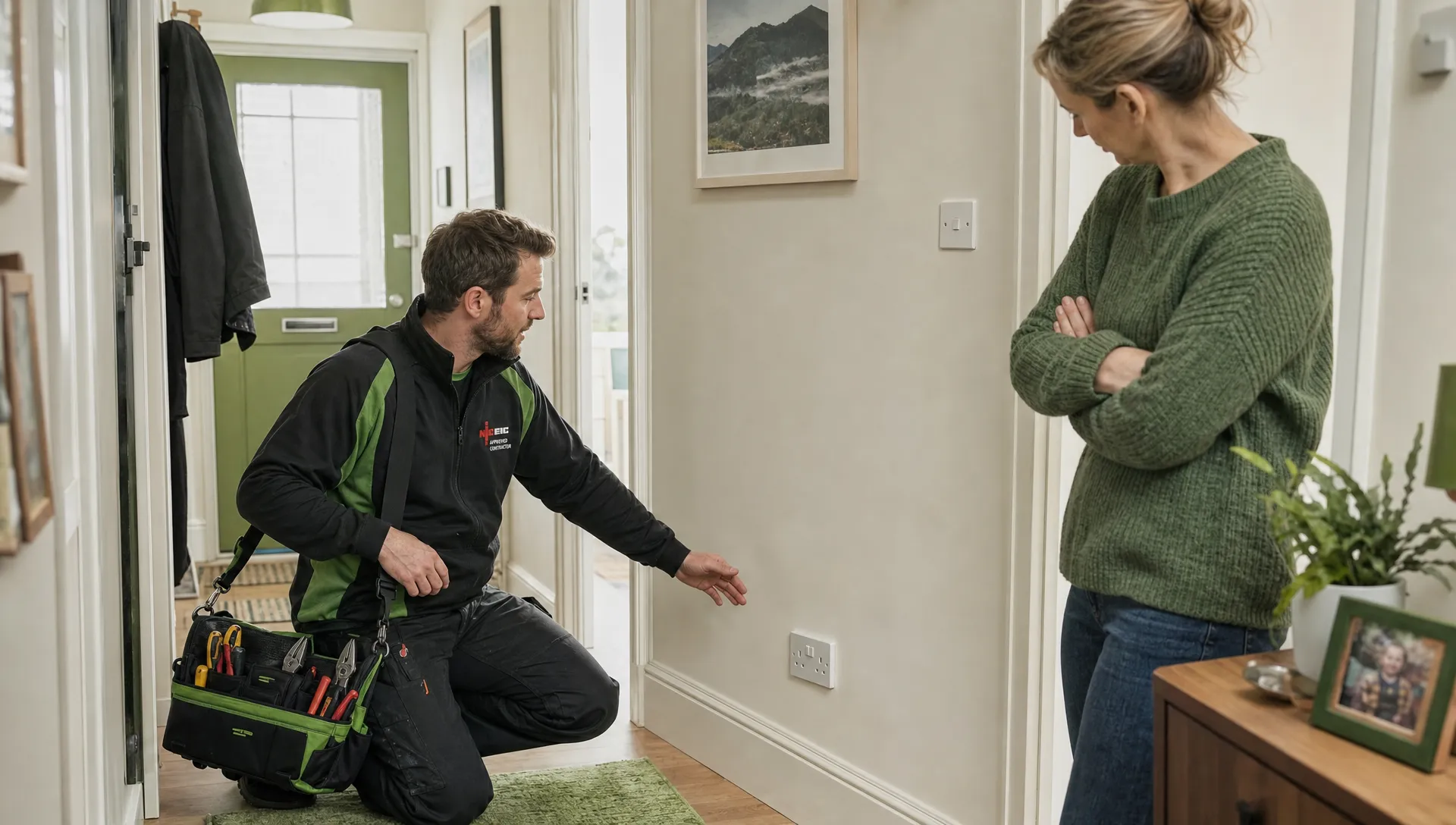
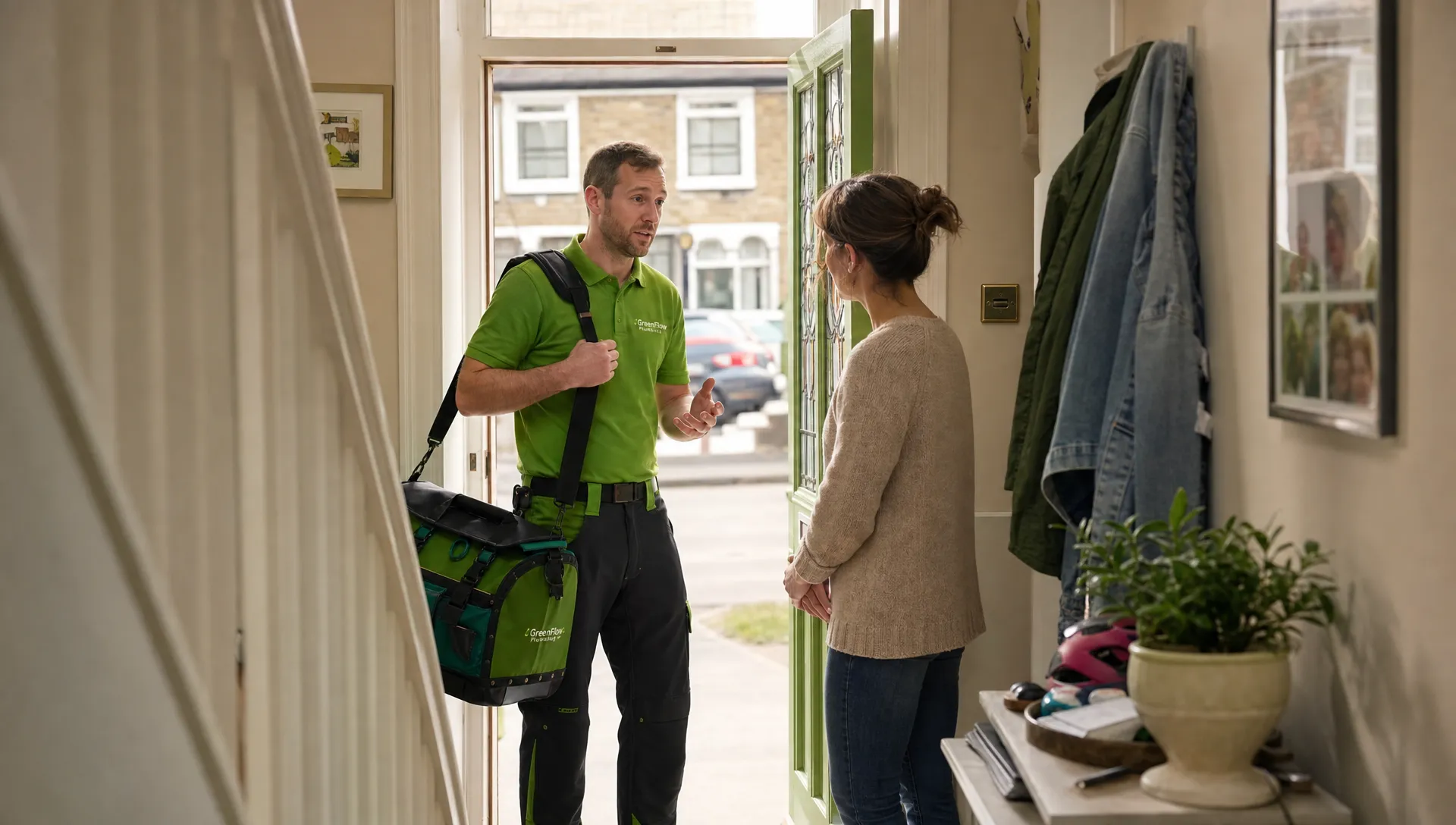
A UK plumber with a tool bag standing in a modest hallway, speaking with a homeowner near the front door while looking at a tablet. The home looks lived-in and natural, with coats by the door, shoes on the floor, and daylight from one side, shown as a realistic photograph with no close-up technical details.

How to keep an emergency plumbing bill under control

You cannot always control the fault, but you can reduce wasted time before the plumber arrives. The aim is to stop more water damage, make the area safe, and help the plumber diagnose the issue quickly.

Start with the basics. If water is escaping, turn off the internal stopcock if you know where it is. If the leak is from a toilet, tap, washing machine, or dishwasher, there may be a local isolation valve nearby. Only touch electrics if it is safe to do so. If water is near sockets, lights, or the consumer unit, keep clear and get professional help.

Useful steps before the plumber arrives include:

  • Move furniture, boxes, and valuables away from the water if safe
  • Put towels, buckets, or containers down to limit spread
  • Take clear photos or short videos for the plumber, landlord, or insurer
  • Clear access to cupboards, loft hatches, bathrooms, or the suspected leak area
  • Ask tenants or occupants when the leak started and what fixtures were being used
  • Do not remove flooring, boxing, or panels unless the plumber advises it

For landlords and property managers, good records matter. Note the time the fault was reported, what action you took, which contractor attended, and what was done to make the property safe. Ask for an invoice that separates call-out, labour, parts, and VAT where possible.

Questions to ask before booking an emergency plumber

In a genuine emergency, you may not have time to gather several detailed quotes. Even so, you can still ask a few direct questions over the phone. A reputable plumber should be able to explain their minimum charge clearly.

Ask these before you agree to the visit:

  • What is your emergency call-out charge for my postcode?
  • Does that include the first hour or any labour time?
  • What is the hourly rate after the included time ends?
  • Are parts charged separately?
  • Is VAT included in the price you have quoted?
  • Are there extra charges for parking, congestion zones, or late-night attendance?
  • Will you explain the likely cost before carrying out any non-urgent extra work?

If the plumber cannot give any indication at all, be cautious. They may not know the full repair cost until they see the problem, but they should still be able to explain their call-out fee, labour structure, and whether you will pay if no repair is possible on the first visit.

Should you pay for a temporary fix or a full repair?

In emergency plumbing, the first goal is often to make the property safe. That may mean stopping the water, isolating a fixture, or carrying out a temporary repair so the damage does not get worse overnight.

A full permanent repair may need better access, daylight, specialist parts, drying time, or a second trade such as a plasterer, joiner, tiler, or electrician. In those cases, it can be sensible to pay for the emergency attendance to stop the damage, then compare planned quotes for the follow-up work.

This is especially important for landlords. A fast temporary fix can protect the property and tenants, while a planned repair booked during normal hours may be easier to price and document properly.

How HaMuch helps you compare emergency plumber prices

When water is leaking, it is tempting to call the first number you find. Sometimes that is unavoidable. But where you have a few minutes, checking prices first can help you understand what is reasonable for your area.

HaMuch is built around real, comparable pricing by trade and UK location, not vague guesswork. You can see local plumber pricing, compare nearby tradespeople, read genuine customer reviews, and request quotes without any obligation to book.

That is useful in two situations. First, when the job is urgent but not dangerous, you can compare before calling. Second, if you already have one emergency quote, you can sense-check the call-out fee and hourly rate against local pricing.

For homeowners, landlords, and property managers, the most important thing is clarity. You want to know who can attend, what they charge to arrive, what happens after the first hour, and whether parts and VAT are extra.

Frequently Asked Questions

How much is an emergency plumber call-out fee? In many UK areas, a daytime urgent call-out or first-hour charge is roughly £80-£150, while evening, weekend, late-night, and bank holiday visits can rise to £120-£300+ depending on the plumber and location.

Does the call-out fee include the repair? Sometimes, but not always. Some plumbers include the first 30 or 60 minutes of labour, while others charge the call-out fee just to attend and diagnose the problem. Always ask what is included before booking.

Why are emergency plumbers more expensive at night? Night work costs more because fewer plumbers are available, travel can be less efficient, and the plumber is working outside normal hours. The price reflects short-notice availability as well as labour.

Do I still pay if the plumber cannot fix the problem immediately? Often, yes. You may still pay the call-out or diagnosis fee because the plumber attended and assessed the issue. If specialist parts or further work are needed, ask for a clear follow-up quote.

Can I wait until morning instead of calling an emergency plumber? If the leak is fully isolated, there is no ongoing damage, and essential facilities still work, waiting may be reasonable. If water is spreading, ceilings are affected, or the only toilet is blocked, treat it as urgent.

Should landlords use an emergency plumber straight away? If the issue affects water, sanitation, safety, or serious property damage, landlords and property managers should act quickly. Keep records, photos, invoices, and tenant communication in case the repair needs to be reviewed later.

Need an emergency plumber? Compare prices before you book

If you need help now, use HaMuch to compare local, vetted plumbers with transparent pricing and genuine customer reviews. It is free for homeowners to request quotes, and there is no obligation to book.

Start by checking local plumber prices on HaMuch, then request quotes from plumbers near you so you can make a clearer, faster decision.

8 Questions to Ask Before Hiring an Electrician

8 Questions to Ask Before Hiring an Electrician - Main Image

Hiring an electrician is not just about finding someone available this week. Electrical work affects safety, compliance and the value of your home, so it is worth asking a few clear questions before y

Hiring an electrician is not just about finding someone available this week. Electrical work affects safety, compliance and the value of your home, so it is worth asking a few clear questions before you agree to anything.

The good news is that you do not need trade knowledge to make a sensible choice. A reliable electrician should be able to explain their qualifications, quote clearly, describe what paperwork you will receive and answer basic questions without making you feel rushed.

If you are hiring in London, Birmingham or Manchester, compare electrician rates on HaMuch before you shortlist anyone. HaMuch shows transparent, comparable pricing by trade and UK location, so you can check what a realistic local rate looks like rather than relying on vague guesswork.

Here are the eight most useful questions to ask before hiring an electrician, whether you are a homeowner arranging work in your own property or a landlord managing a rental.

Question to ask What you are checking
Are you qualified and registered? Whether they are competent for the work and can meet relevant regulations
Have you done this type of job before? Whether they understand the property type, access and likely complications
Can you give me a written quote? Whether the price, scope and exclusions are clear
How does this cost compare locally? Whether the quote looks realistic for your area
Are you insured? Whether you are protected if something goes wrong
What certification will I receive? Whether the work will be tested and properly documented
Who will do the work and when? Whether you know who is attending and how long the job should take
What happens if there is a problem afterwards? Whether there is a clear follow-up process

1. Are you properly qualified and registered for this type of work?

Start with the basics. Ask the electrician what qualifications they hold and whether they are registered with a recognised scheme for domestic electrical work. In England and Wales, many electricians who carry out notifiable domestic work are registered through a competent person scheme, which means they can self-certify certain work under Building Regulations Part P.

You can check domestic electrical registration through Registered Competent Person Electrical. Electricians may also be registered with bodies such as NICEIC or NAPIT. Do not be afraid to ask for the exact name they are registered under, as it should match what appears on the register.

A good electrician will not be offended by this question. In fact, they should expect it. If the answer is vague, or they say paperwork is not needed without explaining why, pause before booking.

2. Have you done this type of job in a similar property before?

Electrical work can vary a lot depending on the age and layout of the building. A small modern flat, a Victorian terrace, a converted house and a rental property with multiple occupants can all present different practical issues.

Ask whether the electrician has worked on similar properties and similar jobs before. You are not looking for a long speech. You simply want to know that they understand the likely access, disruption, testing and paperwork involved.

For landlords and property managers, this question matters even more. An electrician who regularly works in rental properties is more likely to understand tenant communication, key collection, access windows and the need for clear documentation after the visit.

3. Can you give me a written quote that shows exactly what is included?

A quick verbal estimate can be useful at the start, but you should not rely on it for booking. Ask for a written quote before work begins, even for a fairly straightforward job.

A clear quote should usually state:

  • The work to be carried out
  • Labour charges and expected time on site
  • Materials included in the price
  • VAT, if the electrician charges it
  • Any call-out, parking or travel charges
  • Testing, certification and reporting included
  • What is excluded, such as decorating or making good surfaces

This protects both sides. You know what you are paying for, and the electrician has a clear record of what they agreed to do. If one quote looks much cheaper than the others, check whether it includes the same testing, materials and certification before assuming it is better value.

4. What will the work cost, and how does that compare with local rates?

Electrical prices vary by location, job size, access, urgency and the condition of the existing installation. A quote that looks high in one town may be normal in a busy city. A quote that looks low may be missing materials, testing or follow-up paperwork.

Before you book, compare the electrician’s quote with local pricing data. HaMuch is useful here because it shows real, comparable rates by trade and location, updated regularly, rather than asking you to guess what sounds reasonable.

When comparing quotes, avoid focusing only on the final number. Ask what the price includes, when the electrician can attend, whether they will test the work afterwards and what documentation you will receive. The best choice is usually the electrician who gives the clearest answer, not necessarily the one who gives the shortest quote.

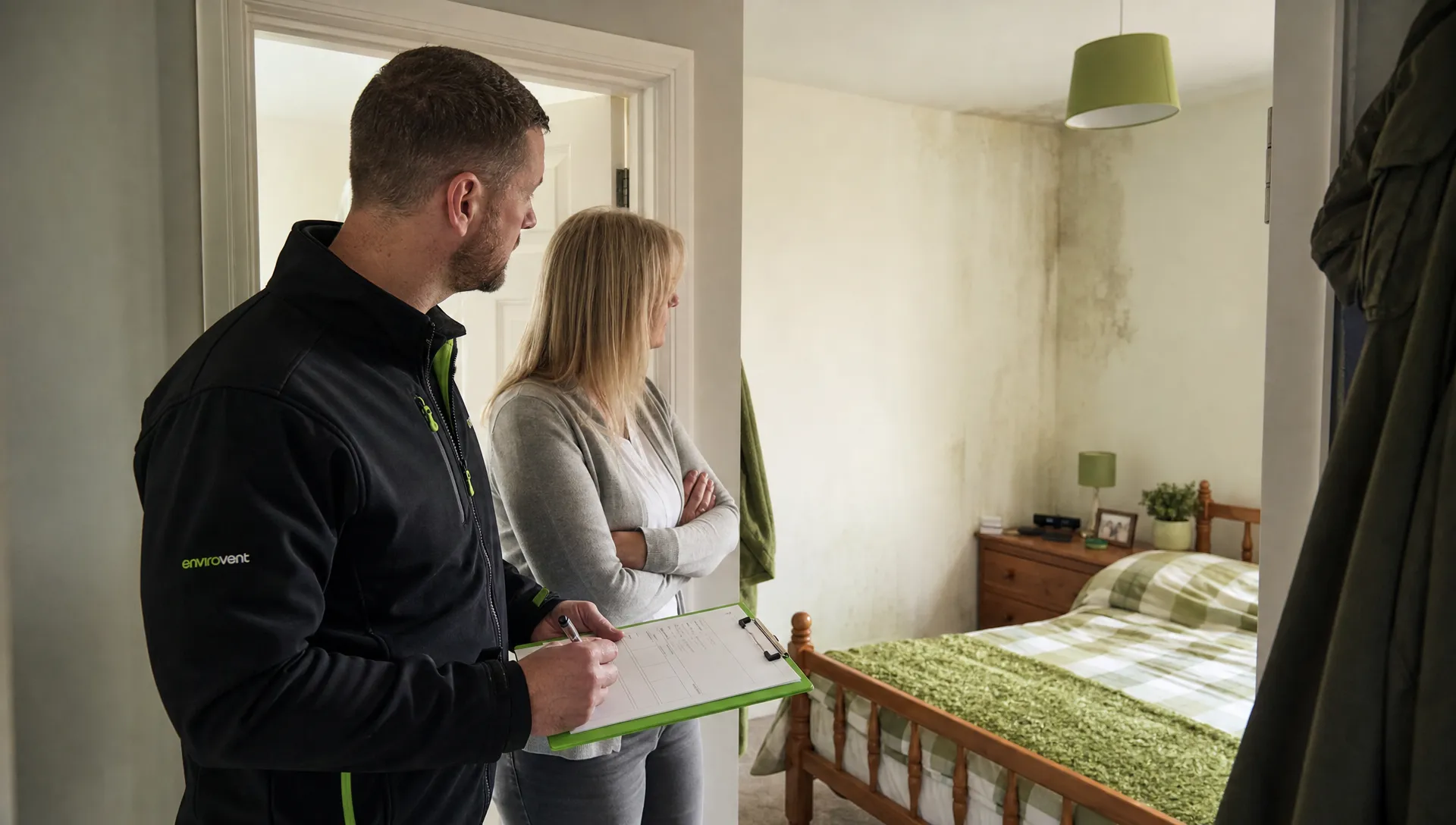
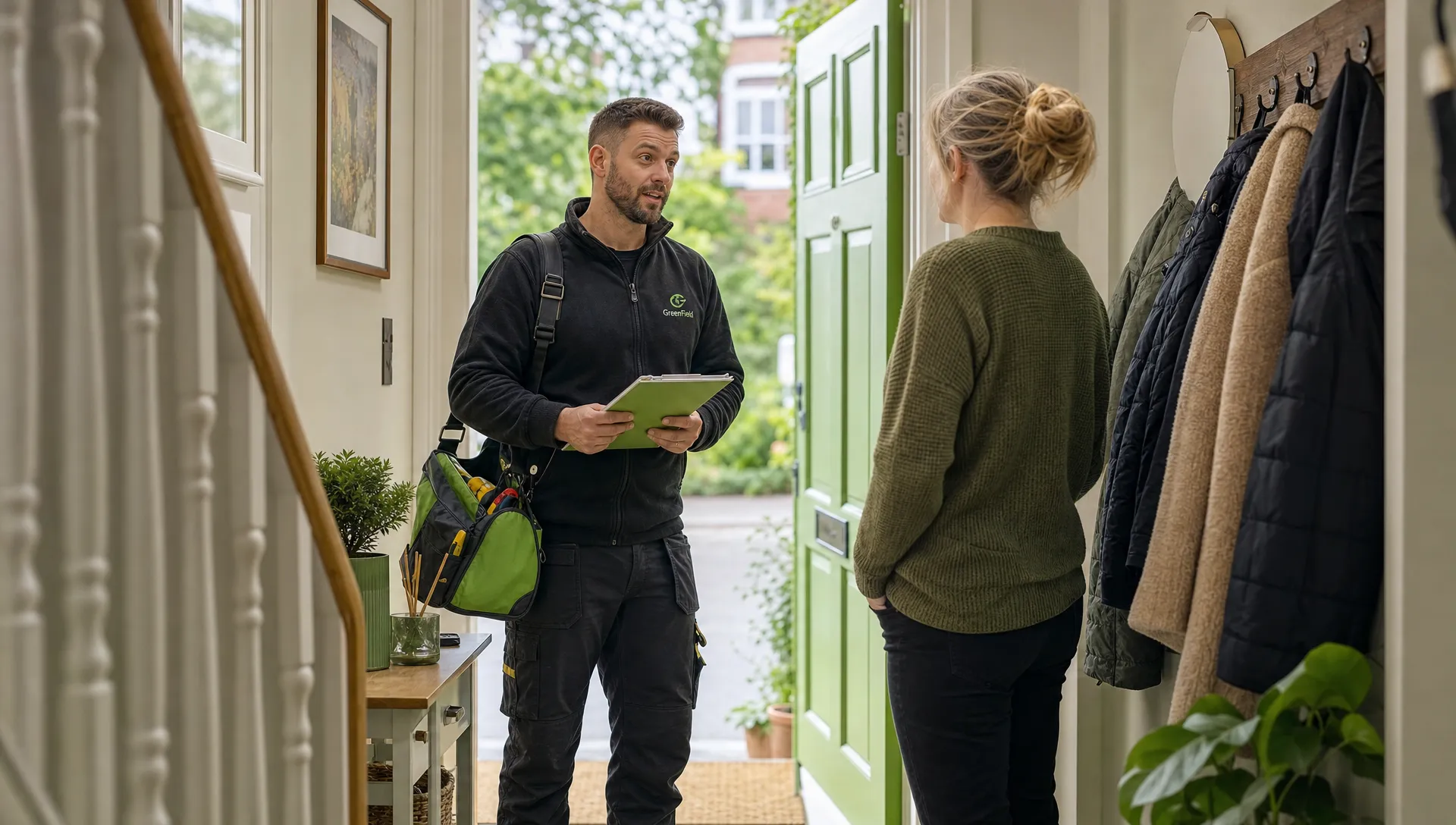
A UK electrician with a tool bag stands in the hallway of an ordinary terraced home, speaking with a homeowner while holding a clipboard. The scene is naturally lit, slightly cluttered and realistic, with no close-up view of wiring or technical equipment.

5. Are you insured, and can I see proof?

Ask whether the electrician has public liability insurance, and ask to see a current insurance certificate. If they employ staff, they should also have the correct employer insurance in place.

Insurance is not just a box-ticking exercise. It helps protect you if there is accidental damage to your property or someone is injured during the work. For landlords, it also provides an extra layer of reassurance when tradespeople are working in an occupied rental property.

Check that the insurance is in date and that the name on the certificate matches the person or company you are hiring. If the electrician cannot provide proof, it is sensible to choose someone else.

6. Will the work be tested and certified afterwards?

Electrical paperwork can sound confusing, but the principle is simple: if work needs testing or certification, ask what document you will receive before the electrician starts.

For smaller alterations, a Minor Electrical Installation Works Certificate may be appropriate. For more substantial electrical installation work, an Electrical Installation Certificate and Building Regulations compliance certificate may be needed. The electrician should be able to explain which applies to your job in plain English.

For landlords in England, electrical safety checks are particularly important. Government guidance explains that most private rented homes must have electrical installations inspected and tested at least every five years. If you are arranging a rental safety inspection, HaMuch’s guide to EICR electrical safety certificate costs explains what affects the price and what landlords should expect.

Do not leave certification as an afterthought. Ask at quote stage, because the paperwork can affect both cost and legal compliance.

7. Who will actually do the work, and when will they attend?

Sometimes the person who quotes is the person who attends. Sometimes a company sends another electrician or an apprentice working under supervision. Neither is automatically a problem, but you should know who will be entering your property.

Ask for the name of the person attending, what time they expect to arrive and how long the work is likely to take. If the job may take more than one visit, ask how the schedule will work and whether you will be left without power for any period of time.

For landlords and property managers, confirm access arrangements in writing. If a tenant needs to be home, make sure the electrician has the correct contact details, arrival window and instructions about parking or entry. Missed appointments are frustrating for everyone, and clear details reduce the risk.

8. What happens if there is a problem after the work is finished?

Even good tradespeople occasionally need to return to adjust or check something. What matters is whether the electrician has a clear and fair follow-up process.

Ask whether their work is guaranteed, how long the guarantee lasts and how you should contact them if an issue appears after completion. Also ask whether any parts or materials have separate manufacturer warranties.

A trustworthy electrician should be willing to explain what is covered and what is not. Be cautious if someone refuses to discuss aftercare or says there is no need because nothing ever goes wrong. Professional electricians know that clear aftercare is part of good service.

Red flags to watch for before you book

Most electricians are honest professionals, but it is still sensible to look out for warning signs. You may want to pause and get another quote if an electrician refuses to put the price in writing, cannot explain their qualifications, asks for full payment in cash before starting, or pressures you to decide immediately.

It is also worth being cautious if they dismiss certification without asking enough about the job, give a very broad price range with no detail, or avoid answering basic questions about insurance. A reliable electrician does not need to use pressure tactics. They should be comfortable giving clear information and letting you compare.

How to compare electricians fairly

When you have two or three quotes, compare them like for like. Look at the scope of work, materials, testing, paperwork, availability, reviews and communication. A slightly higher quote may be better value if it includes certification, a clear timescale and a professional approach.

Customer reviews can also help, especially when they mention punctuality, tidiness, communication and whether the final price matched the quote. For electrical work, reliability and clarity are just as important as technical skill from the customer’s point of view.

HaMuch brings pricing and local tradesperson listings together, so you can compare rates, reviews and availability before deciding who to contact. That makes the process more transparent than choosing from names alone.

Frequently Asked Questions

How many quotes should I get before hiring an electrician? For planned work, it is sensible to get at least two or three quotes so you can compare price, scope and availability. For urgent faults, you may have less time, but you should still ask about call-out charges and expected costs before agreeing to the visit.

Should I choose the cheapest electrician? Not automatically. A low quote may be good value, but only if it includes the same labour, materials, testing and certification as the others. If a quote is much cheaper, ask what is included and what might cost extra.

Can a handyman do electrical work? Some very minor tasks may not need a specialist, but work involving fixed wiring, testing, certification or safety compliance should be handled by a suitably qualified electrician. If in doubt, hire an electrician rather than taking a risk.

What should landlords ask before booking an electrician? Landlords should ask about qualifications, insurance, access arrangements, EICR experience, certification and how quickly reports will be provided. Keeping a clear paper trail is important for rental compliance and tenant safety.

Do electricians charge for quotes? Many electricians provide basic quotes free of charge, but some charge for diagnosis, inspection visits or detailed reports. Ask before they attend so you know whether a fee applies.

Ready to hire an electrician with more confidence?

The right questions make it much easier to spot a reliable electrician and avoid unclear pricing. Before you book, compare local rates, check reviews and request quotes through HaMuch. It is free for homeowners to use, there is no obligation to book, and you can compare first before deciding who is right for the job.

How Much Does a Full Bathroom Fitting Cost in 2026?

How Much Does a Full Bathroom Fitting Cost in 2026? - Main Image

If you are planning a full bathroom refit in 2026, a realistic UK budget is usually £5,000 to £12,000 for a standard bathroom, including labour, removal of the old suite, fitting a new bath or shower,

If you are planning a full bathroom refit in 2026, a realistic UK budget is usually £5,000 to £12,000 for a standard bathroom, including labour, removal of the old suite, fitting a new bath or shower, basin, toilet, taps, basic plumbing work, tiling and finishing.

A simple like-for-like bathroom replacement can cost less, often around £3,500 to £6,500, while a larger bathroom with layout changes, premium fittings, extensive tiling or remedial work can easily reach £12,000 to £18,000+.

Those figures are useful for early planning, but bathroom fitting cost varies a lot by location, property type and specification. That is why HaMuch focuses on real, comparable local pricing rather than vague estimates. Before you book anyone, it is worth checking current local trade rates and comparing quotes from vetted bathroom fitters and plumbers.

Quick guide to full bathroom fitting cost in 2026

The table below gives a practical starting point for UK homeowners and landlords budgeting for a full bathroom fitting.

Bathroom refit type Typical 2026 cost range What it usually includes
Basic like-for-like refit £3,500 to £6,500 Replacing existing suite in the same positions, limited tiling, standard fittings and simple decoration
Standard full bathroom fitting £5,000 to £12,000 New suite, plumbing connections, wall and floor finishes, basic electrical work, waste removal and finishing
Higher-spec bathroom refit £12,000 to £18,000+ Layout changes, premium fittings, walk-in shower, more tiling, better storage, extra lighting or remedial work
Rental property bathroom refresh £4,000 to £8,500 Durable fittings, practical finishes, quick turnaround and minimal layout changes

These are broad planning ranges, not a fixed quote. A compact bathroom in a modern flat may be quicker and cheaper than a bathroom in an older house where floors, walls or pipework need extra attention.

What counts as a full bathroom fitting?

A full bathroom fitting usually means stripping out the existing bathroom and installing a new one so the room is ready to use. In most cases, the main trade is plumbing-led, but several trades may be involved.

A typical full bathroom refit may include removing the old bath, shower, toilet, basin, taps, flooring and tiles. The fitter then prepares the room, makes plumbing alterations where needed, fits the new suite, organises tiling or wall panels, installs flooring, seals everything, and finishes the room with paint, trim and accessories.

Bathrooms often also need electrical work, such as an extractor fan, lighting, mirror light or shaver socket. Electrical work in bathrooms should be carried out by a competent person, and some work may need certification under UK Building Regulations. The Competent Person Register is a useful official resource if you want to understand when certified trades are needed.

Typical bathroom fitting cost breakdown

A full bathroom quote may be presented as one total price, but it helps to understand where the money goes. Labour is often a major part of the bill because bathroom refits involve several stages and the tradesperson may need to coordinate plumbing, tiling, joinery, plastering and finishing.

Cost item Typical 2026 range Notes
Strip-out and disposal £300 to £800 Higher if access is difficult or there is lots of old tiling and flooring to remove
Plumbing and fitting the suite £800 to £2,500 Depends on whether items stay in the same place or pipework needs moving
Tiling or wall panels £800 to £3,500 Full-height tiling costs more than part-tiling or panels
Electrics £250 to £1,000+ Lighting, extractor fans and bathroom-safe electrical fittings can add to the cost
Plastering, boarding and preparation £400 to £1,500 Often needed if old tiles damage the walls or the room needs levelling
Flooring £250 to £1,000 Vinyl, laminate, tiles and specialist bathroom flooring vary in price
Bathroom suite and fittings £1,000 to £5,000+ Bath, shower, toilet, basin, taps, screens, vanity units and accessories
Decorating and finishing £200 to £800 Painting, sealing, trims and final making-good

If your quote looks much lower than expected, check exactly what is included. Some quotes include labour only, while others include materials, disposal, tiling, fittings and VAT if the business is VAT-registered.

How location affects bathroom fitting prices

Labour rates are not the same across the UK. A bathroom fitting quote in the capital may be higher than one in a smaller town because of parking, access, congestion, operating costs and local demand. Large cities can also have more variation, especially between straightforward suburban houses and flats with difficult access.

For city budgeting, compare the latest local rates rather than relying only on a national average. HaMuch publishes transparent trade pricing, so you can check current plumber rates for London, Birmingham and Manchester and compare what tradespeople charge in your area.

It is also worth understanding how plumbers price their time, especially if your bathroom refit involves moving a toilet, altering pipework or adding a shower. HaMuch’s guide to the average plumber hourly rate in the UK explains typical hourly charges, first-hour rates and day rates in more detail.

Example bathroom fitting budgets

A small rental bathroom with a basic white suite, practical flooring, splashback tiling and no layout changes may sit towards the lower end of the range. Landlords often prioritise durability, easy cleaning and a quick turnaround, so spending more on robust taps, decent sealing and good ventilation can be better value than choosing expensive decorative finishes.

A standard family bathroom usually costs more because it often includes a bath with shower over it, a screen, vanity basin, new toilet, heated towel rail, floor covering, wall tiling or panels, extractor fan and finishing. This is where many UK homeowners fall into the £5,000 to £12,000 range.

A higher-spec bathroom can become expensive quickly. Moving the bath, changing from a bath to a walk-in shower, adding recessed storage, choosing large-format tiles, installing underfloor heating or repairing hidden water damage can all push the total upwards.

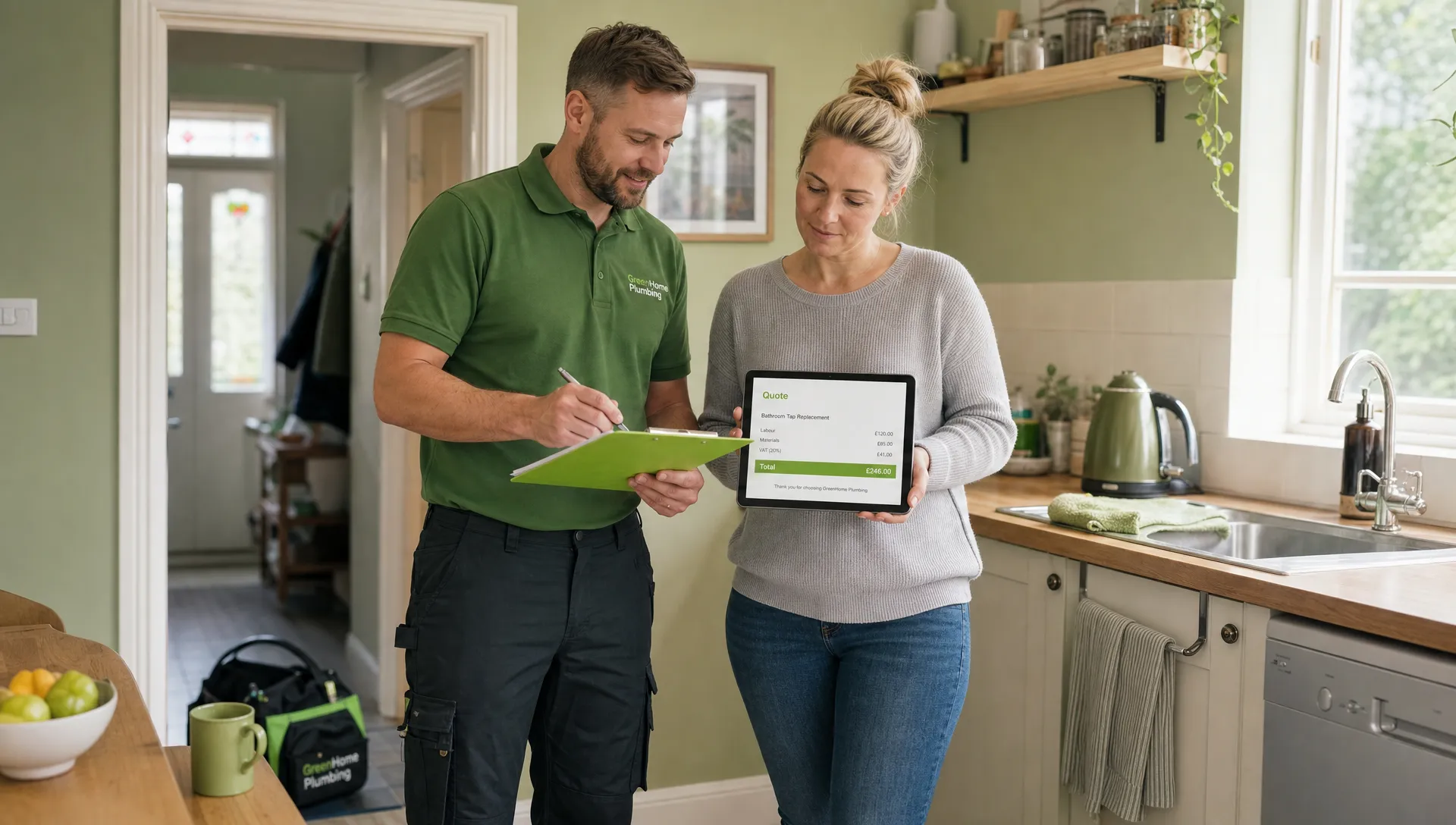
A realistic photo of a bathroom fitter in a British bathroom hallway, speaking with a homeowner while holding a clipboard, with the partly stripped bathroom visible through the open door and a tool bag on the floor nearby.

The biggest factors that change the final price

The size of the bathroom matters, but it is not the only factor. A small bathroom can be surprisingly expensive if it has awkward access, poor walls, old plumbing or lots of tiling. A larger room can be more cost-effective if the layout stays the same and the surfaces are easy to prepare.

The main cost drivers are usually:

  • Changing the layout: Moving a toilet, bath, basin or shower usually means extra plumbing, flooring and making-good.
  • Tile choice and coverage: Full-height tiling and large-format tiles usually cost more to fit than part-tiling or bathroom wall panels.
  • Condition of walls and floors: Damp, rotten floorboards, cracked plaster or uneven walls can add preparation time.
  • Access and parking: Flats, top-floor properties and homes without nearby parking may take longer to work in.
  • Quality of fittings: Budget suites can keep costs down, while designer taps, concealed showers and custom storage add cost.
  • Electrical additions: Extractor fans, extra lighting and heated mirrors increase the bill, especially if wiring needs upgrading.
  • Waste removal: Removing old tiles, sanitaryware and packaging should be priced clearly.

One of the most common surprises is preparation work. When old tiles come off, walls may need plastering or reboarding before new finishes can be installed. This is not always obvious during a quick first look, so a good bathroom fitter will explain possible extras before work starts.

Labour-only versus supply-and-fit bathroom quotes

When comparing bathroom fitting quotes, check whether each quote is labour-only or supply-and-fit.

A labour-only quote means you buy the bathroom suite, tiles, taps, shower, accessories and sometimes even adhesive, grout and sealant. This can work well if you want full control over the products, but it also puts more responsibility on you. If a part is missing, damaged or delayed, the fitter may have to stop work.

A supply-and-fit quote means the tradesperson or company provides some or all of the materials. This can be simpler, especially if the fitter is coordinating the project, but you should still ask for a clear list of what is included. Make sure the quote names the suite, taps, shower, flooring and tile allowance so you can compare like for like.

There is no single best option. Homeowners who know exactly what they want may prefer buying the suite themselves. Landlords or busy property managers may prefer a supply-and-fit quote because it reduces admin and can make turnaround easier.

How long does a full bathroom fitting take?

A straightforward full bathroom fitting usually takes one to two weeks, depending on the size of the room and the number of trades involved. A simple like-for-like replacement may be quicker, while a more complex job with tiling, plastering, electrics and layout changes can take longer.

Delays often happen when hidden problems appear after strip-out, materials arrive late or different trades need to be scheduled in the right order. For rental properties, it is wise to agree a realistic start date, expected duration and daily access arrangements before work begins.

If the bathroom is your only toilet or shower, ask the fitter how long each facility will be out of use. A good tradesperson should be able to explain the disruption clearly, even if they cannot avoid it completely.

How to compare bathroom fitting quotes properly

The cheapest bathroom fitting quote is not always the best value. A low price can be fine if the job is simple and the quote is clear, but it can become expensive if important items are missing.

Ask each bathroom fitter to confirm the same key details:

  • What is included in the price: Labour, materials, suite, tiles, disposal, VAT and finishing should be clear.
  • Who is doing specialist work: Plumbing, electrics, tiling and plastering should be handled by suitable trades.
  • What is excluded: Hidden repairs, extra tiling, upgraded fittings or additional electrical work may cost more.
  • How long the work will take: Ask for an estimated start date and completion window.
  • How changes are priced: Agree how extra work will be quoted before it is carried out.
  • What guarantee is offered: Check workmanship guarantees and product warranties separately.

HaMuch is built to make this easier. Instead of guessing what a fair price should be, you can compare local tradespeople, see transparent pricing information and read genuine customer reviews before deciding who to contact.

Bathroom fitting tips for landlords

For landlords and property managers, the best bathroom is often the one that is reliable, easy to maintain and quick to repair. It may be tempting to choose the cheapest fittings, but very low-cost taps, toilet seats and shower screens can wear out quickly in rental homes.

A practical rental bathroom budget should include good ventilation, water-resistant finishes, simple sanitaryware and easy-clean surfaces. If you manage several properties, standardising fittings can also make future repairs easier because replacement parts are more familiar.

The other big consideration is downtime. If a tenant is living in the property, clarify working hours, water shut-off times and how waste will be removed. If the property is empty between tenancies, booking the work early can help avoid delaying a move-in date.

When a bathroom quote may increase

Even with a careful survey, some costs only become visible once the old bathroom is stripped out. This is especially common in older properties, where previous repairs may have hidden damp, poor flooring, loose plaster or outdated pipework.

Common extras include replacing rotten floorboards, improving ventilation, repairing leaks, reboarding walls, levelling floors, upgrading unsuitable electrical items and dealing with poor previous workmanship.

This does not mean you should accept an open-ended bill. Ask the fitter to explain possible risks in advance and to get your approval before carrying out extra work. A clear written quote protects both sides.

Frequently asked questions

What is the average bathroom fitting cost in the UK in 2026? A standard full bathroom fitting usually costs around £5,000 to £12,000 in 2026. Simple like-for-like refits may be closer to £3,500 to £6,500, while premium or complicated projects can exceed £18,000.

Does bathroom fitting cost include the bathroom suite? Not always. Some quotes include the suite, taps, shower, tiles and flooring, while others are labour-only. Always ask for a written breakdown so you know exactly what is included.

Is it cheaper to keep the same bathroom layout? Yes, in most cases. Keeping the toilet, basin, bath or shower in the same positions usually reduces plumbing, flooring and making-good costs.

How long should a bathroom fitter take? Many full bathroom refits take one to two weeks. Larger bathrooms, extensive tiling, layout changes or hidden repairs can extend the timeline.

Do I need a plumber or a bathroom fitter? For a full bathroom fitting, many homeowners hire a bathroom fitter who can coordinate the job. Because plumbing is central to the work, you should make sure a suitably experienced plumber handles the water and waste connections.

Compare bathroom fitting quotes with HaMuch

A full bathroom fitting is a big investment, so do not rely on a single rough estimate. Compare real local prices, check reviews and ask for clear written quotes before you commit.

With HaMuch, homeowners and landlords can find vetted local tradespeople, compare transparent pricing and request quotes for free with no obligation to book. Start by checking the likely bathroom fitting cost in your area, then speak to local tradespeople who can price your exact job properly.

How to Find a Reliable Plumber: A Homeowner’s Checklist

How to Find a Reliable Plumber: A Homeowner's Checklist - Main Image

Finding a good plumber should not feel like guesswork. Whether you have a dripping tap, a faulty toilet, a leak under the sink or a rental property that needs regular maintenance, the same principle a

Finding a good plumber should not feel like guesswork. Whether you have a dripping tap, a faulty toilet, a leak under the sink or a rental property that needs regular maintenance, the same principle applies: check the person, check the price and get the job clearly agreed before anyone starts work.

The difficulty is that plumbing problems often feel urgent. When water is escaping or a tenant is waiting, it is tempting to book the first person who answers the phone. That can work out, but it is not the safest way to hire. If you are wondering how to find a reliable plumber, use this homeowner’s checklist to slow the process down just enough to make a confident decision.

Start by being clear about the job

A reliable quote starts with a clear description. Before you contact a plumber, write down what is happening, where it is happening and how long it has been going on. You do not need trade knowledge. Plain-English details are enough.

For example, “the kitchen tap drips when turned off” is more useful than “tap problem”. “Water is staining the ceiling below the bathroom” tells the plumber the problem may need investigation. If you are a landlord, add whether the property is occupied, whether the tenant can provide access and whether there are any parking restrictions.

Try to include photos if you are requesting quotes online. A good plumber will not always be able to diagnose the issue from a photo, but it can help them understand the likely scale of the job and whether parts may be needed.

For common small repairs, it is worth checking typical prices before you call. For example, if your issue is a dripping or faulty tap, HaMuch’s guide to how much it costs to fix a leaking tap can help you understand what usually affects the final bill.

Compare local pricing before you choose

Price is not the only sign of reliability, but transparent pricing is one of the easiest ways to spot whether a quote feels reasonable. A plumber who is open about labour, call-out charges, materials and VAT is usually easier to deal with than someone who gives only a vague verbal estimate.

Plumbing rates vary by location, availability and urgency. A planned repair during normal working hours will usually be priced differently from a late-night leak. Large cities can also differ from nearby towns because travel time, parking and demand affect what tradespeople charge.

If you are comparing plumbers in major UK cities, start by checking current local rate information for plumbers in London, plumbers in Birmingham or plumbers in Manchester. HaMuch is built around real, comparable pricing by trade and location, so you can check what plumbers typically charge before requesting quotes rather than relying on vague guesswork.

When you speak to a plumber, ask whether the price is:

  • An hourly rate, day rate or fixed job price
  • Inclusive or exclusive of VAT
  • Inclusive of the call-out charge
  • Inclusive of parts and materials
  • Subject to a minimum first-hour charge
  • Different for evenings, weekends or emergencies

You are not trying to choose the cheapest person automatically. You are trying to understand what is included, what is not included and whether the quote is clear enough to compare fairly.

Check qualifications, registration and insurance

In the UK, not every plumbing task requires a formal licence. However, certain types of work do have strict requirements. The most important example is gas. If the job involves a gas boiler, gas pipework or a gas appliance, the tradesperson must be on the Gas Safe Register. You can check the engineer’s licence number and confirm the types of gas work they are allowed to do.

For general plumbing, look for signs that the person works professionally. That can include relevant training, trade memberships, experience in similar jobs, public liability insurance and a willingness to provide written details before work begins.

If you are unsure what to ask for, HaMuch has a separate guide on checking whether a tradesperson is properly qualified, which is useful before hiring any trade, not just plumbers.

Insurance matters because even careful plumbers can run into problems. A burst fitting, accidental damage or a leak discovered during repair work can become expensive quickly. Ask whether the plumber has public liability insurance and, for larger jobs, whether they can provide evidence of cover.

Read reviews properly, not just the star rating

Reviews are useful, but only if you read them closely. A perfect rating with very little detail is less helpful than several specific reviews explaining what the plumber did, whether they arrived on time, how they communicated and whether the price matched the quote.

Look for patterns. A single bad review does not always mean a plumber is unreliable, especially if they have responded calmly and professionally. Repeated complaints about missed appointments, unclear pricing or unfinished work are more concerning.

Good review signals include comments such as:

  • Turned up when agreed
  • Explained the problem clearly
  • Provided a written quote
  • Left the area tidy
  • Charged what was agreed
  • Returned promptly if there was a follow-up issue

For landlords and property managers, reviews that mention communication are especially important. You need someone who can coordinate with tenants, provide updates and send invoices or photos after the job.

A UK plumber with a tool bag standing in a modest hallway talking to a homeowner, with natural daylight, ordinary home clutter and no close-up view of pipework or technical details.

Ask the right questions before booking

You do not need to interrogate a plumber, but a few direct questions can reveal a lot. Reliable plumbers are usually happy to explain how they work, especially if you ask politely and keep it practical.

Use this checklist before you agree to a visit:

Question to ask Why it matters
Have you done this type of job recently? Experience with similar work reduces the chance of surprises.
Is there a call-out charge or minimum charge? It helps you compare quotes fairly.
What is included in the price? Labour, parts, VAT and waste disposal can all affect the total.
Can you provide a written quote or estimate? Written details reduce disputes later.
Are you insured? Insurance protects both sides if something goes wrong.
Do you guarantee your work? A clear guarantee shows accountability after the visit.
When can you attend and how long should it take? Good scheduling matters, especially for tenants or urgent repairs.

If the plumber refuses to answer basic questions, rushes you into booking or says the final price cannot be discussed at all until they arrive, take care. Some jobs genuinely cannot be priced exactly without inspection, but a reliable plumber should still be able to explain their charging structure.

Get a written quote for anything beyond a small repair

For a small job, a written estimate by text or email may be enough. For larger work, ask for a proper written quote with the scope clearly described. This does not need to be complicated, but it should state what the plumber is doing and what the price includes.

A good written quote should usually cover labour, materials, VAT where applicable, expected start date, payment terms and any assumptions. If the plumber may need to investigate before confirming the full repair, the quote should explain that too.

Be cautious with very low quotes that do not explain what is included. A cheaper headline price can become more expensive if parts, parking, VAT, waste removal or return visits are added later. The best quote is the one you can understand and compare.

Know the warning signs of an unreliable plumber

Most plumbers are honest professionals, but homeowners and landlords still need to protect themselves. A few red flags should make you pause before booking.

Be careful if a plumber:

  • Will only accept cash with no receipt
  • Refuses to give a written quote or clear pricing structure
  • Cannot explain whether VAT is included
  • Pressures you to decide immediately for non-urgent work
  • Has no visible reviews or references and gives no reassurance
  • Claims gas work is “simple” but cannot provide a Gas Safe number
  • Wants a large upfront payment for a small job

Emergencies are different because you may not have time to do a full comparison. Even then, ask the basics: call-out charge, hourly rate, expected arrival time and whether parts are included. If your issue is urgent and you are in the West Midlands, HaMuch’s article on emergency plumber costs in Birmingham explains what can affect the price of urgent call-outs.

For landlords, think beyond the first job

If you manage rental properties, reliability is not just about one repair. You need a plumber who communicates well, can work around tenants, sends clear invoices and keeps a record of what was done.

Ask whether the plumber is comfortable dealing directly with tenants for access, while keeping you updated on cost and progress. Make it clear who can authorise extra work. For example, you might allow them to fix a minor issue up to an agreed limit, but require approval for anything larger.

Keep copies of quotes, invoices, photos and messages. This helps with maintenance records, deposit disputes and future repairs. It also makes it easier to decide whether to use the same plumber again.

After the job, check the finish and paperwork

Reliability does not end when the plumber packs up. Before you pay the final bill, check that the agreed work has been completed, the area has been left reasonably tidy and the invoice matches the quote or estimate.

Ask the plumber to explain what they did in plain English. If parts were replaced, ask what was changed and whether there is any product warranty. If the work involved gas, make sure you receive the correct safety documentation from a Gas Safe registered engineer.

For small repairs, simply checking that the leak has stopped may be enough. For bigger work, take photos and keep the paperwork somewhere easy to find. If there is a guarantee, confirm how long it lasts and what to do if the problem returns.

Frequently Asked Questions

How do I find a reliable plumber near me? Start by describing the job clearly, comparing local prices, reading detailed reviews and checking insurance or relevant registration. Use a platform such as HaMuch to compare local plumbers, see transparent pricing and request quotes before deciding.

Should I always choose the cheapest plumber? Not necessarily. A very low quote may not include parts, VAT, call-out charges or follow-up work. Choose the plumber who offers clear pricing, good reviews, relevant experience and a quote you can understand.

Does a plumber need to be Gas Safe registered? Only if the work involves gas appliances, gas pipework or gas boilers. For gas work, always check the engineer on the Gas Safe Register before letting them start.

How many quotes should I get for plumbing work? For non-urgent work, aim to compare at least two or three quotes. For emergencies, you may have less time, but you should still ask about call-out fees, hourly rates and what is included.

What should be included in a plumber’s quote? A good quote should explain the labour cost, materials, VAT if applicable, call-out fees, expected timescale and what work is included. For larger jobs, it should also include payment terms and any exclusions.

Ready to compare reliable local plumbers?

The safest way to find a reliable plumber is to combine common sense checks with transparent pricing. Look at reviews, ask the right questions, check qualifications where needed and make sure the quote is clear before work begins.

HaMuch helps homeowners, landlords and property managers compare local plumbers with genuine reviews and real pricing information by trade and location. You can check typical rates first, then request quotes with no obligation to book.

If you need plumbing help, request quotes from local plumbers through HaMuch and compare your options before you decide.

How Much Does It Cost to Unblock a Drain in Manchester?

How Much Does It Cost to Unblock a Drain in Manchester? - Main Image

Blocked drains are never convenient, especially when a kitchen sink will not empty, a toilet is backing up, or a tenant is reporting smells from an outside gully. The good news is that many domestic d

Blocked drains are never convenient, especially when a kitchen sink will not empty, a toilet is backing up, or a tenant is reporting smells from an outside gully. The good news is that many domestic drain blockages are fixed in one visit, and the cost is usually easier to estimate once you know what type of blockage you are dealing with.

As a practical guide, the cost to unblock a drain in Manchester is often around £80 to £180 for a straightforward job during normal working hours. More difficult blockages, high-pressure jetting, CCTV drain surveys, or urgent evening and weekend call-outs can push the price higher.

For the most accurate figure, compare local prices before booking. HaMuch lets you check plumber rates by trade and location, read genuine customer reviews, and request quotes from local tradespeople without any obligation to hire.

Typical drain unblocking costs in Manchester

Drain unblocking is often priced as a fixed job rather than a simple hourly rate. That is because two jobs that look similar from the surface can take very different amounts of time depending on where the blockage is and what equipment is needed.

The table below gives realistic guide prices for common domestic drain unblocking work in Manchester. These figures are for typical household jobs and do not include major drain repairs, excavation, replacement pipework, or reinstatement of paving or flooring.

Drain unblocking job in Manchester Typical guide price What this usually covers
Simple internal blockage £80 to £150 A blocked sink, bath, shower, basin, or toilet that can be cleared with basic tools
External drain or gully blockage £90 to £180 Clearing a blocked outside drain, gully, or inspection chamber where access is straightforward
Drain rodding £80 to £160 Using drain rods to clear a localised blockage from an accessible chamber or drain run
High-pressure drain jetting £120 to £250 Using specialist jetting equipment for grease, silt, scale, or stubborn blockages
Emergency call-out £150 to £300+ Urgent attendance outside normal working hours, often evenings, weekends, or bank holidays
CCTV drain survey £120 to £300 Camera inspection, usually needed for repeat blockages, suspected damage, or pre-purchase checks

These prices should be treated as a guide, not a fixed quote. A tradesperson may charge less for a quick, easy blockage or more if the drain is difficult to reach, the blockage has spread across several outlets, or specialist equipment is required.

If your issue is urgent and you are also trying to understand call-out charges more generally, HaMuch’s guide to the average plumber hourly rate in the UK explains how first-hour charges, day rates, and emergency work can affect the final bill.

What affects the price of drain unblocking?

A blocked drain can sound like one simple job, but the final price depends on several practical factors. Understanding these before you request quotes helps you describe the problem clearly and compare like for like.

Where the blockage is

A blockage inside the property, such as a blocked kitchen sink or toilet, may be quicker to clear than a blockage further along an external drain run. Internal blockages are often caused by fat, food waste, soap, hair, wipes, or sanitary products. Outside drains may involve leaves, silt, tree roots, collapsed sections, or shared drainage problems.

If several fixtures are blocked at once, for example the bath, toilet, and kitchen sink are all draining slowly, the problem may be further down the system. That usually means more investigation and possibly a higher cost.

How severe the blockage is

Some blockages clear quickly with basic tools. Others need rodding, mechanical cleaning, or high-pressure water jetting. Jetting usually costs more because it involves specialist equipment and can take longer to set up safely.

A one-off blockage caused by a build-up of waste is usually cheaper than a recurring blockage. If the same drain keeps blocking, the tradesperson may recommend a CCTV survey to find the underlying cause rather than simply clearing it again.

Whether it is an emergency

A blocked outside gully on a dry weekday afternoon is not priced the same as sewage backing up into a bathroom at 10pm on a Sunday. Out-of-hours call-outs cost more because the tradesperson is attending urgently and often rearranging other work.

For landlords and property managers, urgency can also depend on whether the blockage affects sanitation, safety, or the tenant’s ability to use the property normally. If a toilet is unusable and there is no alternative, it is usually worth treating the job as urgent.

Access to the drain

Easy access keeps costs down. If the tradesperson can reach the inspection chamber, outside drain, or affected outlet quickly, the job is usually more straightforward. Costs can rise where access is awkward, such as in a basement flat, a rear alleyway, a city-centre apartment block, or a property where inspection covers are hidden under decking, paving, or stored items.

Manchester has a mix of Victorian terraces, converted houses, modern flats, student lets, and commercial-style apartment blocks. That variety means access can make a real difference to both time and price.

Whether extra investigation is needed

A single blockage does not always need a camera survey. However, a CCTV drain survey may be recommended if the problem keeps coming back, there is a suspected collapsed pipe, roots may have entered the drain, or you are buying a property and want to check the drainage condition.

A CCTV survey adds to the cost, but it can prevent repeated call-outs where the real issue is damage, poor installation, or a deeper blockage rather than ordinary waste build-up.

What happens during a drain unblocking visit?

A good tradesperson will usually start by asking what is blocked, when it started, whether more than one drain or appliance is affected, and whether there has been any flooding or sewage backing up.

They may then check the affected outlet, outside gully, or inspection chamber. If the blockage is local, they may clear it using plunging, rodding, or cleaning equipment. If the blockage is more stubborn, they may use high-pressure jetting. Once cleared, they should test the flow to make sure water is running away properly.

You do not need to know the technical cause before calling. What helps most is a clear description, such as whether the toilet is backing up, the kitchen sink drains slowly, an outside drain is overflowing, or several drains are affected at once.

A drainage tradesperson with a tool bag stands in the doorway of a typical Manchester terraced house, speaking with a homeowner beside the open front door. The scene is a realistic UK residential street with natural daylight, ordinary household details, and no close-up view of pipes or technical equipment.

Should you try to unblock the drain yourself first?

For a minor sink, shower, or bath blockage, it may be reasonable to try simple steps first. Removing visible hair from a plughole, using a plunger, or flushing with warm water can sometimes solve a small blockage.

Be careful with strong chemical drain cleaners. They can be hazardous, may not solve a deeper blockage, and can make the job less pleasant or less safe for the tradesperson who attends afterwards. If you have used chemicals, tell the tradesperson before they start work.

You should usually call a professional if sewage is backing up, an outside drain is overflowing, multiple drains are blocked, the blockage keeps returning, or you are dealing with a rental property where sanitation is affected. In those situations, a fast fix is often more important than spending hours trying DIY methods that may not reach the problem.

Who is responsible for the blocked drain?

Responsibility depends on where the blockage is. As a simple rule, homeowners are normally responsible for drains within their property boundary that serve only their home. Shared sewers and lateral drains may be the responsibility of the local water company.

In Manchester, the water company is generally United Utilities. Their guidance on blocked drains and sewers can help you work out whether the issue is likely to be private or part of the public sewer network.

If you are a landlord, you will normally need to arrange repairs where the blockage affects the property’s drainage or sanitation. However, responsibility can become more complicated if the blockage was caused by tenant misuse, such as flushing wipes, nappies, or other unsuitable items. Keep records of reports, invoices, photos, and tradesperson notes, especially for managed properties or repeat problems.

How to compare drain unblocking quotes in Manchester

The cheapest quote is not always the best quote if it leaves out call-out fees, jetting, VAT, or follow-up checks. When you compare prices, ask each tradesperson the same questions so you can judge the total cost fairly.

Useful questions include:

  • Is the price fixed for the job, or charged by the hour?
  • Does the quote include the call-out fee and the first hour of labour?
  • Is rodding or jetting included, or charged separately?
  • Is VAT included in the price?
  • What happens if the blockage cannot be cleared?
  • Is a CCTV survey included, optional, or priced separately?
  • Do you provide a short report or invoice for landlord records?

This is where HaMuch is designed to help. Instead of guessing what a fair local price might be, you can compare transparent pricing, local listings, and customer reviews before deciding who to contact.

How to avoid surprise costs

Before the tradesperson starts, ask them to confirm the likely price range and what is included. If the job turns out to be more complicated, they should explain why and agree any extra cost before continuing.

For example, a quote for basic drain rodding may not include high-pressure jetting. A quote for unblocking may not include a CCTV survey. A quote for investigation may not include excavation or repairs if a collapsed drain is found.

It is also sensible to check whether there is a minimum charge. Many tradespeople have a first-hour or call-out minimum, even if the blockage is cleared quickly. That is normal, but it should be clear before you book.

When a blocked drain may turn into a repair job

Most blocked drains are cleared without major work. However, a tradesperson may spot signs that the underlying drain is damaged or poorly draining. Warning signs include repeated blockages, bad smells that return soon after cleaning, wet patches in the garden, slow drainage across several fixtures, or evidence of roots.

If a repair is needed, the cost will depend on the location, depth, materials, access, and whether surfaces need to be lifted and reinstated. At that point, it is worth getting more than one quote, especially if excavation or replacement pipework is involved.

For a routine blockage, one visit may be enough. For a recurring or structural issue, paying for proper investigation can save money in the long run by avoiding repeated temporary fixes.

Frequently Asked Questions

How much does it cost to unblock a drain in Manchester? A straightforward domestic drain unblocking job in Manchester typically costs around £80 to £180 during normal working hours. Emergency call-outs, jetting, CCTV surveys, or difficult access can increase the price.

Is drain jetting included in the unblocking price? Sometimes, but not always. Some tradespeople include basic rodding only and charge extra for high-pressure jetting. Always ask what equipment is included before booking.

Do I need a plumber or a drainage specialist? For simple sink, toilet, bath, or local drain blockages, a plumber may be suitable. For external drains, repeat blockages, jetting, or CCTV surveys, a drainage specialist may be more appropriate.

Will my home insurance cover drain unblocking? Some policies include cover for blocked or damaged drains, but many have exclusions or excesses. Check your policy wording before booking if you think the issue may be more than a simple blockage.

Can United Utilities unblock my drain for free? If the blockage is in a public sewer or shared lateral drain that is the water company’s responsibility, they may deal with it. If the blockage is in a private drain serving only your property, you will usually need to arrange and pay for the work yourself.

Get drain unblocking quotes in Manchester

If you need a blocked drain cleared, do not rely on vague estimates or one rushed phone call. Use HaMuch to compare local tradespeople, see transparent pricing information, check genuine customer reviews, and request quotes before deciding who to hire.

You can request drain unblocking quotes through HaMuch for free, with no obligation to book. Compare first, then choose the right local tradesperson for your Manchester property.

How to Avoid Rogue Traders When Hiring for Home Repairs

How to Avoid Rogue Traders When Hiring for Home Repairs - Main Image

Rogue traders can turn a straightforward home repair into a stressful, expensive mess. They may quote one price and demand another, start work without proper paperwork, use scare tactics, or leave you

Rogue traders can turn a straightforward home repair into a stressful, expensive mess. They may quote one price and demand another, start work without proper paperwork, use scare tactics, or leave you with unsafe, unfinished work.

The good news is that most tradespeople are honest professionals. The trick is knowing how to spot the warning signs before you hand over money or let someone start work. This guide explains how to avoid rogue traders in plain English, with practical checks you can use whether you are fixing your own home or managing repairs for a rental property.

What is a rogue trader?

A rogue trader is someone who acts dishonestly or recklessly when offering work or repairs. That might mean taking payment and disappearing, carrying out poor-quality work, inventing problems that are not there, or using pressure to make you agree before you have had time to compare options.

Not every bad experience means someone is a rogue trader. A genuine tradesperson can run late, discover extra work once a job starts, or charge more than you expected because materials and labour vary. The difference is transparency. A reliable trader explains what is needed, puts costs in writing, answers questions clearly and gives you time to decide.

A rogue trader usually wants the opposite. They want speed, confusion and as little paperwork as possible.

Warning signs to watch for before you hire

Rogue traders often follow the same patterns. If you notice one warning sign, slow down. If you notice several, walk away and look for another quote.

Warning sign Why it is risky What to do instead
They knock on the door offering urgent repairs Cold callers may exaggerate problems or invent them Do not agree on the doorstep. Get independent quotes
They say the price is only valid today Pressure stops you comparing properly Ask for a written quote and time to consider it
They want a large cash payment upfront Cash is harder to trace and recover Use a traceable payment method and agree staged payments
They refuse to give a written quote Verbal promises are difficult to prove Ask for a quote showing labour, materials, VAT and scope
They cannot show insurance or qualifications You may have little protection if something goes wrong Check documents before work begins
They have no clear business address or online presence It may be harder to find them later Look for genuine reviews and contact details
Their quote is much cheaper than every other quote It may exclude important work or lead to extras later Compare what is actually included, not just the total
They start work without permission This can lead to disputes and surprise costs Agree the scope and price before anything begins

One of the biggest red flags is urgency. A trader who says your roof, boiler, electrics or drains are dangerous may be right, but a genuine professional should be able to explain the issue calmly and show evidence. If you are unsure, get a second opinion before agreeing to expensive work.

Check qualifications, insurance and registrations

Some home repairs can be done by a competent general tradesperson. Others need specific qualifications or legal registrations. For example, gas work in the UK must be carried out by someone on the Gas Safe Register. Certain electrical work must comply with building regulations, and registered electricians can often certify notifiable work.

Before hiring, ask for proof of relevant qualifications, public liability insurance and any trade memberships they claim to hold. Then verify them yourself rather than taking a logo on a van or website at face value. You can also use HaMuch’s detailed guide on checking whether a tradesperson is properly qualified if you are unsure what to ask for by trade.

Reviews matter too, but read them carefully. Look for comments about reliability, tidiness, communication, final cost and how problems were handled. A long history of ordinary, specific reviews is usually more useful than a handful of perfect but vague comments.

The Citizens Advice guidance on choosing a trader also recommends checking references, getting written quotes and avoiding rushed decisions.

Compare local prices before you speak to anyone

A rogue trader has more power when you do not know what a fair price looks like. If you have no price benchmark, it is harder to spot a quote that is suspiciously high, suspiciously low, or missing key details.

This is where HaMuch is different from many trade comparison sites. HaMuch shows real, comparable pricing data by trade and location, so you can check typical local rates before asking for quotes. That does not mean every job will cost the same, because access, materials, urgency and complexity all affect the final price. But it gives you a sensible starting point.

For larger home repairs, you can compare local builder rates in major cities such as London, Birmingham and Manchester. If the job needs a specialist, such as a plumber, electrician, heating engineer, plasterer or locksmith, check the relevant trade rate page instead.

The aim is not to choose the cheapest person automatically. It is to understand whether a quote sits within a reasonable range and whether the trader has explained any difference properly.

A British homeowner standing in the hallway of a modest terraced house speaking with a tradesperson holding a clipboard, with a tool bag by the front door and natural daylight coming from outside.

Get a written quote, not just a verbal estimate

A quote and an estimate are not the same thing. An estimate is a rough guide that may change. A quote is a fixed price for an agreed scope, unless you later agree changes or hidden problems are discovered that could not reasonably have been known at the start.

For home repairs, ask for the quote in writing before work begins. It should make clear what is included, what is excluded and when payment is due. If the trader is VAT registered, the quote should say whether VAT is included. If materials are being supplied, it should say who is buying them and whether they are included in the price.

A clear written quote should usually cover:

  • The trader’s full name, business name, address and contact details
  • A description of the work to be done
  • Labour costs, material costs and VAT where applicable
  • Start date, expected duration and working hours
  • Payment schedule and deposit amount
  • Waste removal, making good and clean-up responsibilities
  • Guarantees or warranties offered
  • What happens if extra work is needed

If a trader refuses to put things in writing, treat that as a serious warning sign. Honest tradespeople may be busy, but they should still be willing to confirm the basics.

Be careful with deposits and cash payments

It is normal for some tradespeople to ask for a deposit, especially if they need to buy materials or reserve time for a larger job. But the amount should be reasonable and linked to the work. A demand for most or all of the money upfront is risky.

For small jobs, you may not need to pay anything until the work is complete. For bigger repairs, staged payments can be fair, but each stage should match progress. For example, a payment after materials are delivered or after a defined part of the work is completed is clearer than paying large sums with no milestone attached.

Try to use traceable payment methods rather than cash. Bank transfer, card payment or another documented method gives you a clearer record if there is a dispute. If you pay by credit card for certain purchases costing over £100 and up to £30,000, you may have extra protection under Section 75 of the Consumer Credit Act, although the rules depend on the exact arrangement.

Always ask for receipts. A trader who offers a cheaper cash price with no paperwork may seem tempting, but it can leave you exposed if the work fails or they do not return.

Do not let an emergency remove your common sense

Rogue traders often target urgent situations because people feel they have no choice. A leak, broken lock, power issue or heating breakdown can make anyone panic, especially if you have tenants waiting for a repair.

Even in an emergency, ask basic questions before agreeing to a visit. What is the call-out charge? What is the hourly rate? Is VAT included? Is there a minimum charge? How will parts be priced? Will you receive an invoice?

A reliable emergency tradesperson should be able to answer these questions. They may not know the final price until they inspect the problem, but they should not be vague about their charging structure.

Landlords and property managers should be especially careful here. Keep a list of trusted tradespeople in advance, and check local rates before emergencies happen. That way, when a tenant reports an urgent issue, you are not starting from zero under pressure.

Get more than one quote where possible

For anything beyond a very small job, aim for at least two or three quotes. You are not just comparing price. You are comparing how each tradesperson communicates, what they include and how clearly they explain the work.

A good quote may not be the cheapest. It may be the one that shows the trader has properly inspected the job, understood the risks and allowed for the right materials. A very low quote can become expensive later if it excludes waste removal, preparation, safety work or finishing.

When comparing quotes, ask yourself whether each one covers the same scope. If one builder includes making good and another does not, or one gardener includes waste removal and another charges extra, the headline price is not a fair comparison.

Trust your instincts, but back them up with checks

If something feels off, pause. You do not need to accuse anyone or argue. You can simply say you want to compare quotes before deciding.

A genuine tradesperson will not be offended by sensible checks. They may not be available forever, but they should not bully you, frighten you or make you feel foolish for asking questions.

Before you agree to home repairs, take a few minutes to run through this simple checklist:

  • Have you checked typical local prices for the trade and area?
  • Have you read genuine customer reviews?
  • Have you confirmed relevant qualifications or registrations?
  • Have you seen proof of insurance?
  • Do you have a written quote or clear written estimate?
  • Are payment terms clear and traceable?
  • Do you know what is included and excluded?
  • Have you avoided pressure to decide immediately?

Those few checks can prevent many of the most common problems.

What to do if you think you have hired a rogue trader

If work has already started and you are worried, do not ignore it. Keep records of everything, including quotes, messages, invoices, photos and payment receipts. If the trader asks for extra money, ask for the reason in writing before paying.

If the work appears unsafe or very poor, stop and get independent advice. Depending on the trade, that might mean asking another qualified tradesperson to inspect it, contacting your local council building control team, or speaking to the relevant registration body.

You can report problems to the Citizens Advice consumer service, which can pass information to Trading Standards. If you believe you have been scammed or threatened, report it to Action Fraud or the police as appropriate.

For landlords, document everything carefully. Poor repairs can affect tenant safety and compliance, so it is worth acting quickly if there is any concern about gas, electrical, structural or security-related work.

Frequently Asked Questions

How do I avoid rogue traders when hiring for home repairs? Check local prices first, read genuine reviews, verify qualifications and insurance, get a written quote, avoid large upfront cash payments and do not agree to work under pressure.

Is a cheap quote a warning sign? Not always. Some tradespeople charge less because they have lower overheads or a simpler approach. But if one quote is far cheaper than the others, ask what is included and what might be charged later.

Should I hire someone who knocks on my door offering repairs? Be very cautious. Do not agree to work on the doorstep, especially for roofs, driveways, gutters or urgent-looking defects. Take their details if you want, then compare them with other local tradespeople before deciding.

What paperwork should I ask for before work starts? Ask for a written quote, proof of insurance, relevant qualifications or registration, business contact details and clear payment terms. For certain work, you may also need certificates after completion.

Can HaMuch help me avoid rogue traders? HaMuch helps by showing transparent, comparable local pricing and tradesperson listings with customer reviews. This makes it easier to compare options before you request quotes and choose who to contact.

Compare local tradespeople with confidence

Avoiding rogue traders is mainly about slowing the process down, checking the basics and knowing what a fair local price looks like before you commit.

With HaMuch, you can compare local tradespeople, see real pricing data by trade and location, and request quotes for free with no obligation to book. If you are planning home repairs, start by checking the relevant trade in your area, compare your options and choose the tradesperson who gives you the clearest, most trustworthy quote.

How Much Does It Cost to Rewire a House in London?

How Much Does It Cost to Rewire a House in London? - Main Image

If you are planning a full rewire in London, a sensible 2026 starting budget is usually £3,500 to £5,500 for a small flat and £6,000 to £10,000 for a typical threebedroom house. Larger London homes, o

If you are planning a full rewire in London, a sensible 2026 starting budget is usually £3,500 to £5,500 for a small flat and £6,000 to £10,000 for a typical three-bedroom house. Larger London homes, older properties, high-spec finishes or difficult access can push the total to £14,000 or more.

Those figures are planning ranges, not fixed quotes. The real cost to rewire a house in London depends on the size of the property, how many sockets and lighting points you want, whether the home is occupied, and how much making good is included afterwards.

For this job, you need a qualified electrician rather than a general builder. On HaMuch, rewiring sits under the Electrician trade category, and you can benchmark current London electrician rates before you start comparing quotes.

Cost to rewire a house in London by property size

Here is a practical guide to typical full house rewire costs in London. These prices assume a standard domestic rewire with normal access, standard fittings and testing included. Always check whether VAT, plastering, decorating, waste removal and parking costs are included in your quote.

Property type in London Typical full rewire budget Typical timescale What may affect the price
Studio or 1-bedroom flat £3,500 to £5,500 5 to 8 working days Flat access, leasehold rules, number of circuits
2-bedroom flat or small house £4,500 to £7,000 7 to 10 working days Concrete walls, occupied rooms, extra sockets
3-bedroom terraced or semi-detached house £6,000 to £10,000 10 to 15 working days Older wiring, loft access, kitchen layout
4-bedroom house £8,500 to £14,000 2 to 3 weeks More circuits, bathrooms, extensions, home office needs
Large 5-bedroom house or period property £12,000 to £20,000+ 3 weeks or more Complex layout, premium finish, listed or conservation issues

A three-bedroom London house is the most common benchmark homeowners ask about. For that type of property, many quotes fall somewhere around £6,000 to £10,000, but it is completely possible for the quote to sit outside that range if the house is large, occupied, heavily renovated or needs a lot of making good.

Why rewiring costs more in London

London electrical work is often more expensive than the UK average because labour rates, travel time, parking, congestion and access restrictions all add pressure to the final price. Even a simple job can take longer if an electrician has to park streets away, work around controlled parking hours or carry tools through communal entrances.

London properties can also be more complicated. Flats may need permission from a freeholder or managing agent. Older terraced houses may have layers of previous electrical work hidden behind walls or under floors. Period homes can be harder to chase into neatly, and modern refurbishments often need more sockets, lighting zones and data points than older wiring was designed for.

This is why one national average can be misleading. A London rewire quote should be based on a proper look at the property, not just a quick estimate by bedroom count.

What affects the final price?

A rewire is labour-heavy, but the quote is not only about how many days the electrician is on site. The price is shaped by the layout, condition and specification of the home.

Cost factor Why it changes the quote What to ask before accepting
Number of rooms More rooms usually mean more sockets, switches and lighting points How many points are included per room?
Property condition Old plaster, solid walls and awkward floor access slow the job down Has the electrician allowed for difficult access?
Occupied or empty home Working around furniture and daily living takes longer Is the price based on the property being vacant?
Consumer unit A rewire may include a new modern consumer unit, but not always Is the consumer unit included in the fixed price?
Making good Chasing walls and lifting floors can leave repair work Is plaster patching included, and to what finish?
Finish level Standard white fittings cost less than decorative or smart fittings Are fittings included, or supply-only by you?
Testing and certification A completed rewire must be tested and certified Will you receive the correct electrical certificate?
Parking and permits London parking can add daily cost and admin Are parking charges included or added separately?

The biggest surprise for many homeowners is making good. Electricians often repair chases to a basic safe finish, but full plastering and decorating may be quoted separately. If you expect the walls to be paint-ready at the end, make that clear before work starts.

What should a full rewire quote include?

A proper full rewire quote should clearly explain the scope of work. It should not just say “rewire house” with one total price.

A clear quote will usually set out:

  • The rooms included in the rewire
  • The number of sockets, switches and light points allowed for
  • Whether a new consumer unit is included
  • Whether smoke alarms, extractor fans or outdoor power are included
  • Whether old wiring will be removed where accessible
  • Whether chasing, lifting floorboards and reinstatement are included
  • Whether testing, certification and Building Regulations notification are included
  • Whether VAT, parking, waste disposal and materials are included

A full domestic rewire is notifiable electrical work under Part P of the Building Regulations. In plain English, that means the work must be carried out and certified properly. You can read more about competent person schemes on the UK Government website, but the simple rule is this: make sure your electrician is qualified to do the work and provide the right paperwork afterwards.

After a new installation, you should normally receive an Electrical Installation Certificate, often shortened to EIC. This is different from an EICR, which is an inspection report on an existing installation.

A qualified electrician with a tool bag and clipboard standing in the hallway of a lived-in London terraced house, speaking with a homeowner near the front door in natural daylight.

Do you need a full rewire or an electrical inspection first?

Not every electrical problem means the whole property needs rewiring. If you are unsure, an Electrical Installation Condition Report, known as an EICR, can help identify whether the installation is satisfactory, needs remedial work, or is no longer safe for continued use.

If you are buying a property, renovating a rental home or dealing with repeated electrical faults, it can be sensible to start with an inspection. Our guide to EICR electrical safety certificate costs explains what is usually involved and how prices vary by property type.

For landlords in England, electrical safety rules are especially important. The Government’s private rented sector electrical safety guidance says rental properties must have electrical installations inspected and tested at least every five years by a qualified person.

Signs that a property may need serious electrical work include an old fuse box, very few sockets, frequent tripping, scorch marks, buzzing sounds, damaged accessories, or wiring that appears very old. If you notice burning smells, heat around fittings or visible damage, stop using the affected circuit and speak to an electrician urgently.

Should you add more sockets during a rewire?

In many London homes, older wiring was designed for a very different way of living. A single bedroom may once have needed one socket. Today, the same room might need power for chargers, lamps, a desk, a TV, a router extender and a heater.

Adding sockets during a rewire is usually more practical than adding them later, because floors and walls may already be opened up. That does not mean extra points are free, so ask the electrician how many are included in the base quote and how much additional points will cost.

If you are only planning a smaller upgrade rather than a full rewire, our guide to the cost of installing a new electrical socket gives a clearer breakdown for that specific job.

Example budget for a three-bedroom London rewire

To make the figures easier to picture, here is a realistic planning example for a three-bedroom terraced house in London. This is not a quote, but it shows how the total can build up.

Budget item Typical allowance Notes
Core rewire £6,000 to £10,000 Labour, cabling, standard fittings and testing may be included
Extra sockets or upgraded fittings Varies by quantity and specification Agree the number of points before work starts
Making good Often separate May include patch plastering, but not full decorating
Decorating after rewire Often separate Usually handled by a decorator after electrical work
Temporary accommodation Optional but worth considering Useful if the property will be dusty, noisy or without power at times
Parking and access costs Often overlooked Particularly relevant in controlled London parking zones

For an empty property, a rewire is usually faster and less disruptive. For an occupied home, expect more planning. Furniture may need moving, rooms may be unavailable, and power may be off for periods during the day. Some families choose to move out for the messiest stage, especially if children, pets or home working are involved.

How long does a London house rewire take?

A small flat may take around a week. A typical three-bedroom house might take two weeks, sometimes longer if the property is occupied or access is difficult. Larger houses, period properties and homes being rewired alongside building work can take several weeks.

The timescale should be discussed before work begins. Ask how many electricians will be on site, whether work will happen continuously, and when power is likely to be unavailable. If the rewire is part of a wider renovation, the electrician may need to coordinate with builders, plasterers, kitchen fitters or decorators.

Timing matters in London because access, parking and neighbouring properties can all affect the working day. If you live in a flat, also check building rules about working hours, lift use and noise.

How to compare rewire quotes properly

The cheapest quote is not always the best quote, and the most expensive quote is not automatically the safest. What matters is whether you are comparing like for like.

When you receive quotes, check:

  • Whether each electrician has quoted for the same number of rooms and points
  • Whether the consumer unit is included
  • Whether testing and certification are included
  • Whether making good is included, and to what standard
  • Whether fittings are basic white, decorative or supplied by you
  • Whether VAT is included
  • Whether parking, congestion costs or waste disposal are extra
  • Whether the electrician is appropriately qualified and insured
  • Whether the quote is fixed price or based on a day rate

This is where HaMuch is useful. Many comparison sites ask you to submit details before you see much about pricing. HaMuch is built around transparent, comparable pricing by trade and location, alongside local listings and genuine customer reviews, so you can compare first and decide afterwards.

Frequently asked questions

How much does it cost to rewire a 3-bedroom house in London? A typical three-bedroom house rewire in London often costs around £6,000 to £10,000. The final price depends on the layout, access, number of sockets, consumer unit, finish level and whether making good is included.

Is rewiring a house cheaper if the property is empty? Usually, yes. An empty property is easier and quicker to work in because electricians can lift floors, chase walls and move between rooms without working around furniture or occupants. The quote may still depend more on the condition and specification than occupancy alone.

Can I live in my house while it is being rewired? Sometimes, but it can be disruptive. Rewiring creates dust, noise and periods without power. For a full London house rewire, many homeowners choose to move out temporarily if they can, especially during the messiest stages.

Does a rewire include plastering and decorating? Not always. Some electricians include basic patching where walls have been chased, but full plastering and decorating are often separate. Ask exactly what “making good” means in the quote.

Do I need an EICR before rewiring? If the wiring is clearly outdated or unsafe, an electrician may recommend a rewire after inspection. If you are unsure about the condition, an EICR can be a useful first step because it records the state of the existing installation.

Will a rewire add value to my London property? A safe, modern electrical installation can make a property more attractive to buyers and tenants, especially if the old wiring was a concern. It is best thought of as a safety and reliability improvement rather than a guaranteed profit-making upgrade.

Compare London rewire quotes with HaMuch

A full house rewire is a major job, so it is worth comparing clear, itemised quotes before you book. Check what is included, ask about certification, and make sure you are comparing electricians on the same scope of work.

With HaMuch, you can compare local electricians, see transparent pricing information and request quotes for free with no obligation to book. Start with real London pricing, then choose the electrician who gives you the clearest, most suitable quote for your property.

How Many Leads Does a Tradesperson Actually Need Per Month?

How Many Leads Does a Tradesperson Actually Need Per Month? - Main Image

There is no magic number of monthly leads that suits every tradesperson. A selfemployed plumber doing small callouts needs a very different flow of enquiries from a builder who takes on one large proj

There is no magic number of monthly leads that suits every tradesperson. A self-employed plumber doing small call-outs needs a very different flow of enquiries from a builder who takes on one large project at a time.

The useful question is not how many leads can I get? It is how many good leads do I need to keep my diary full without wasting time quoting for work I will never win?

For many UK tradesmen, tradeswomen and small firms, the answer often sits somewhere between a handful of strong enquiries and a few dozen qualified leads per month. The exact number depends on your trade, your conversion rate, your job size, your local competition and how much capacity you actually have.

For homeowners and landlords, this matters too. Understanding how tradespeople think about leads helps explain why clear job details, realistic budgets and transparent pricing make it much easier to get useful quotes.

The quick answer: work backwards from your diary

A tradesperson should usually start with capacity, not marketing. If you can only complete six jobs in a month, getting 100 vague enquiries is not a win. It can mean missed calls, rushed quotes and frustrated customers.

A simple rule is:

Monthly leads needed = monthly jobs needed ÷ lead-to-job conversion rate

So if a tradesperson wants 8 booked jobs in a month and converts around 1 in 4 suitable enquiries into paying work, they need about 32 qualified leads.

If they convert 1 in 2, they only need 16. If they convert 1 in 6, they need 48. The same business can need very different lead volumes depending on how relevant those leads are and how well the quoting process works.

That is why transparent pricing matters. When customers can compare realistic local costs before they request quotes, the enquiry is often more serious. HaMuch is built around that idea, showing comparable pricing by trade and UK location rather than leaving homeowners to guess.

What counts as a lead?

Not every enquiry deserves to be counted as a lead. A message saying I might need some work done one day is very different from a homeowner who provides photos, a postcode, a clear description and a preferred timeframe.

For lead planning, it helps to separate enquiries into three groups:

Type of enquiry What it usually means How useful it is for planning
General enquiry Someone asks a broad question with little detail Useful, but may not turn into paid work
Qualified lead The customer has a real job, location, timeframe and basic budget awareness Best measure for monthly targets
Booked job The quote has been accepted and the work is scheduled The outcome you are working towards

A tradesperson who says they need 40 leads per month may actually mean 40 raw enquiries. Another might mean 40 properly qualified quote requests. Those are not the same thing.

For homeowners, this is a useful reminder to be specific. A clear enquiry saves time for both sides and makes it easier to compare like-for-like quotes.

A practical monthly lead formula

The cleanest way to calculate lead needs is to work in four stages:

Step Question to answer Example
Capacity How many working days can you realistically sell each month? 16 chargeable days
Job size How many days does the average job take? 2 days per job
Bookings needed How many jobs fill the diary? 8 jobs per month
Conversion rate How many qualified leads become jobs? 1 in 4

In that example, the tradesperson needs 8 booked jobs. If 1 in 4 qualified leads becomes a job, the monthly lead target is 32 qualified leads.

The formula is simple, but the inputs matter. A heating engineer doing boiler servicing may need a steady stream of smaller jobs. A carpenter fitting bespoke wardrobes may need fewer leads because each job takes longer. A builder working on extensions may need very few leads, but each one must be serious, well-scoped and worth pricing properly.

This is why copying another tradesperson's lead target rarely works. The number has to fit the business model.

Example lead targets by job pattern

The table below is not a fixed industry benchmark. It is a planning example to show how the same conversion rate produces different lead needs depending on the size of job.

Job pattern Example trade situation Booked jobs wanted per month If 1 in 3 qualified leads convert Approximate qualified leads needed
Small, quick jobs Call-outs, minor repairs, one-day tasks 15 1 in 3 45
Medium jobs Decorating rooms, plastering, carpentry, small plumbing work 8 1 in 3 24
Larger projects Renovations, fitted joinery, bathroom refits, building work 3 1 in 3 9

The key point is that bigger jobs do not always require more leads. They often require better leads.

For example, a plumber who mostly handles repairs may need more frequent enquiries to keep each week full. If you want to understand how rates affect customer expectations, HaMuch's guide to the average plumber hourly rate in the UK is a useful starting point.

Location changes the number too

Lead needs vary by area. London, Birmingham and Manchester can all produce strong demand, but the shape of that demand is not identical. London often has higher job density and more competition. Birmingham can bring a mix of city and suburban work. Manchester may involve a wide spread of domestic, rental and renovation jobs across nearby towns.

The same trade can therefore need different monthly lead volumes in different places. A tradesperson in a busy city might get more enquiries but face more quote competition. Someone in a smaller town may get fewer enquiries but build stronger repeat work through local reputation.

Before setting a target, it is worth checking both demand and pricing. HaMuch regularly publishes local pricing information, and if you are using electrical work as a benchmark, the electrician rates page helps customers and tradespeople compare rates by location rather than relying on vague national averages. You can also look at which trades are in demand near you right now to understand why some areas generate more quote requests than others.

A UK tradesperson with a tool bag and clipboard talks with a homeowner at the open front door of a modest terraced house, with a small pile of post, a doormat and coats visible in the hallway. The scene feels everyday and local, with natural daylight and a slightly off-centre working-height composition, and no close-up technical details.

Why lead quality matters more than lead volume

Too many poor-quality leads can be worse than too few good ones. If a tradesperson spends evenings answering vague messages, travelling to quote for unsuitable work or competing only on the lowest price, the diary may look busy but the business is not healthier.

A strong lead usually has a few things in common:

  • The customer knows what problem they need solved.
  • The location is within the tradesperson's normal working area.
  • The timing is realistic.
  • The job is appropriate for the trade and skill level.
  • The customer has seen realistic local pricing before asking for a quote.

That last point is often overlooked. When customers have no idea what a job may cost, conversations can go nowhere quickly. Transparent pricing helps filter out unrealistic enquiries and makes quotes easier to compare.

For landlords and property managers, quality is especially important. A rental property repair may need a quick response, but it also needs someone properly qualified, insured and reliable. If you are unsure what checks to make before hiring, HaMuch's guide on how to check if a tradesperson is properly qualified explains what to look for in plain English.

Conversion rate is the hidden lever

A tradesperson does not always need more leads. Sometimes they need to convert the right leads better.

Imagine two decorators both want 10 booked jobs per month. One converts 1 in 5 qualified leads, so needs 50 leads. The other converts 1 in 2, so needs 20. The second tradesperson can spend less time chasing enquiries and more time doing paid work.

Several things can improve conversion without increasing lead volume. Clear communication is a big one. So is providing a written quote, explaining what is included, turning up when agreed and being honest about availability. Reviews also matter, because many homeowners feel more confident when they can see feedback from previous customers.

For homeowners, this is why the cheapest quote is not always the best quote. A clear, professional response can be worth paying attention to, especially for safety-critical or disruptive work.

How many leads is too many?

More leads can sound attractive, but there is a limit. A tradesperson may be getting too many leads if they regularly miss calls, take days to reply, forget to send quotes or rush site visits.

There is also the risk of accepting too much work. Overbooking can cause delays, poor communication and lower customer satisfaction. A full diary is good. A diary that cannot be managed is not.

A sensible lead target should leave room for admin, travel, quoting, materials, unexpected delays and repeat customers. For small firms, it should also leave room for the owner to manage the business rather than spending every spare hour sorting enquiries.

What this means for homeowners and landlords

If you are hiring a tradesperson, the lead calculation explains why good tradespeople may not respond well to vague requests. They are often filtering enquiries carefully because their time is limited.

You can improve your chances of getting accurate quotes by giving the tradesperson useful information from the start. Include the property type, location, access details, photos where helpful and your preferred timescale. If it is a rental property, say whether tenants need to be contacted and whether parking or access is restricted.

It also helps to compare realistic local prices before requesting quotes. HaMuch gives homeowners and landlords a clearer starting point by showing transparent, comparable pricing for trades across the UK. That means you can approach the conversation with a better idea of what is normal for your area.

A simple way to set a monthly lead target

If you are a tradesperson, start with the number of jobs you can realistically complete, then work backwards. If you are a homeowner, use the same logic to understand why clear job details help you get better responses.

Here is a straightforward planning summary:

If your situation is… Your lead target should focus on…
You do small jobs and call-outs A steady flow of frequent, local enquiries
You do medium-sized domestic jobs Fewer but better-scoped quote requests
You do large projects Serious leads with clear budgets and timescales
You are fully booked Better filtering, not more enquiries
You are quiet Improving visibility, reviews and quote response

The best monthly lead number is not the biggest number. It is the number that fills the diary with profitable, suitable work while keeping customers informed and expectations realistic.

Frequently Asked Questions

How many leads does a self-employed tradesperson need per month? It depends on job size and conversion rate, but many sole traders need enough qualified leads to fill their available working days. A small-job trade may need several dozen enquiries, while a project-based tradesperson may only need a few serious leads.

What is a good lead-to-job conversion rate for tradespeople? There is no single correct rate. A tradesperson converting 1 in 2 qualified enquiries is in a very different position from one converting 1 in 6. The best measure is your own recent quote history, tracked over several months.

Do tradespeople in London need more leads than those in Birmingham or Manchester? Not always. London may produce more enquiries, but competition and travel time can be higher. Birmingham and Manchester can also be very busy, depending on the trade, local housing stock and seasonal demand.

How can homeowners get better quotes from tradespeople? Give clear details, share photos if useful, explain the timescale and compare realistic local pricing before you ask for quotes. This makes your enquiry easier to assess and helps tradespeople respond accurately.

Does HaMuch help with comparing tradesperson prices? Yes. HaMuch helps homeowners and landlords compare local tradespeople, genuine customer reviews and transparent pricing data by trade and location, so you can request quotes with a clearer idea of typical costs.

Ready to compare local tradespeople?

Whether you are planning a repair, renovation or routine property job, it pays to compare before you book. HaMuch helps you see real, transparent pricing by trade and location, then request quotes from vetted local tradespeople with no obligation.

Start by checking local prices and requesting quotes through HaMuch so you can compare your options clearly before deciding who to hire.