Need help with a job?

Find affordable tradespeople

Need help with a job?

HaMuch is Excellent

Currently Viewing Posts in Carpenter & Joiner

Front Door Sticking and Won’t Close Properly

Front Door Sticking and Won't Close Properly

A front door sticking can be annoying, but it is also worth sorting quickly. If the door will not close properly, you may lose heat, damage the lock by forcing it or, in the worst case, leave the prop

A front door sticking can be annoying, but it is also worth sorting quickly. If the door will not close properly, you may lose heat, damage the lock by forcing it or, in the worst case, leave the property less secure.

The good news is that most sticking front doors have straightforward causes. Damp weather, loose hinges, a slightly dropped door, swollen timber or a misaligned lock can all make a door catch. For most homes, the right first call is a carpenter and joiner. If the key or locking mechanism is the main problem, a locksmith is usually better placed to help.

If the door cannot be locked at all, treat it as a same-day security issue. Avoid forcing the key or handle, especially on uPVC or composite doors with multi-point locks, as this can turn a simple adjustment into a more expensive lock repair.

First, work out where the door is sticking

Before calling anyone, take two minutes to observe what is happening. You do not need tools or trade knowledge, just a careful look at the door while opening and closing it slowly.

Check whether the door catches at the top, bottom, hinge side or latch side. A door scraping the floor or threshold often points to dropped hinges or swelling at the bottom. A door catching at the top corner may mean the door has twisted, the frame has moved slightly or the hinges are pulling loose. If the door closes but the latch or key will not engage, the lock and keep may be out of line.

Try the handle and key while the door is open. If the key turns smoothly and the handle works normally when open, the lock itself may be fine and the door is probably misaligned in the frame. If the key is stiff even when the door is open, or the handle feels loose or crunchy, call a locksmith rather than a carpenter.

Do not repeatedly slam the door to make it shut. That can loosen hinges, split timber around the frame or damage the lock. It also makes it harder for a tradesperson to see the original fault.

Common causes of a front door sticking and who to call

A sticking front door is a symptom, not a single fault. The table below gives a quick guide to the most likely causes and the trade that usually deals with each one.

What you notice Likely cause Who to call
Door rubs at the bottom or threshold Dropped hinges, swollen timber or raised flooring Carpenter and joiner
Door catches along the latch side Door has expanded, frame has shifted or hinges need adjustment Carpenter and joiner
Key will not turn properly when the door is closed Lock and keep are out of alignment Locksmith
Handle lifts but the door will not lock Multi-point locking system may be misaligned or strained Locksmith
Door sticks only in wet or cold weather Timber swelling, paint build-up or weather exposure Carpenter and joiner, sometimes painter and decorator after repair
Cracks around the door frame or movement in brickwork Possible frame movement, damp damage or structural issue Builder, then carpenter if repairs are needed
Door started sticking after new flooring was fitted Floor level or threshold may now be too high Carpenter and joiner

In older properties, a small amount of seasonal movement is normal. Timber doors in particular can expand in damp weather and contract again when conditions dry out. If the door only sticks lightly for a few days each winter, it may just need minor adjustment and resealing. If it is getting worse, leaves visible scuff marks or no longer locks cleanly, book someone before the lock or frame is damaged.

Timber front doors: swelling, paint build-up and weather exposure

Timber front doors are common in period homes, terraces, cottages and many rental properties. They look good and can last for decades, but they react to moisture more than uPVC or composite doors.

A timber door may stick because the edge has swollen, the bottom rail has absorbed rainwater or layers of old paint have built up around the closing edge. Sometimes the door itself is not the real problem. The frame may have been painted too thickly, the weather strip may have moved or a threshold may have lifted.

A carpenter and joiner can usually identify whether the door needs adjusting, easing, planing, rehanging or repairing. If timber has been shaved or sanded, it should be sealed properly afterwards, otherwise the same edge can absorb moisture again. For a painted timber door, a painter and decorator may be needed after the joinery repair to finish and protect the surface.

This is one reason DIY planing can go wrong. Removing too much timber can leave draught gaps, make the latch sit badly or expose bare wood to rain. If the door is expensive, original to the property or part of a managed rental, it is usually better to get a tradesperson to assess it first.

uPVC and composite front doors: avoid forcing the handle

uPVC and composite doors often use multi-point locking systems. That means the handle and key may operate more than one locking point along the door edge. When the door drops slightly or the frame shifts, those locking points can stop lining up cleanly.

A common sign is that the door closes but you have to lift the handle harder than usual, or the key only turns if you pull or push the door at the same time. This often starts as a small alignment issue. If you keep forcing it, the internal mechanism can fail.

For uPVC and composite doors, a locksmith is usually the best first call if the lock, key or handle is affected. If the door is clearly rubbing at the bottom with no lock issue, a carpenter and joiner may be able to help, though some jobs may need a specialist door repairer depending on the door type.

If you are comparing tradespeople in larger cities, check the local going rate before you book. HaMuch shows real, comparable rates for trades by location, including carpenter and joiner rates in London, carpenter and joiner rates in Birmingham and carpenter and joiner rates in Manchester. If the lock is the main issue, you can also compare local locksmith rates before deciding who to contact.

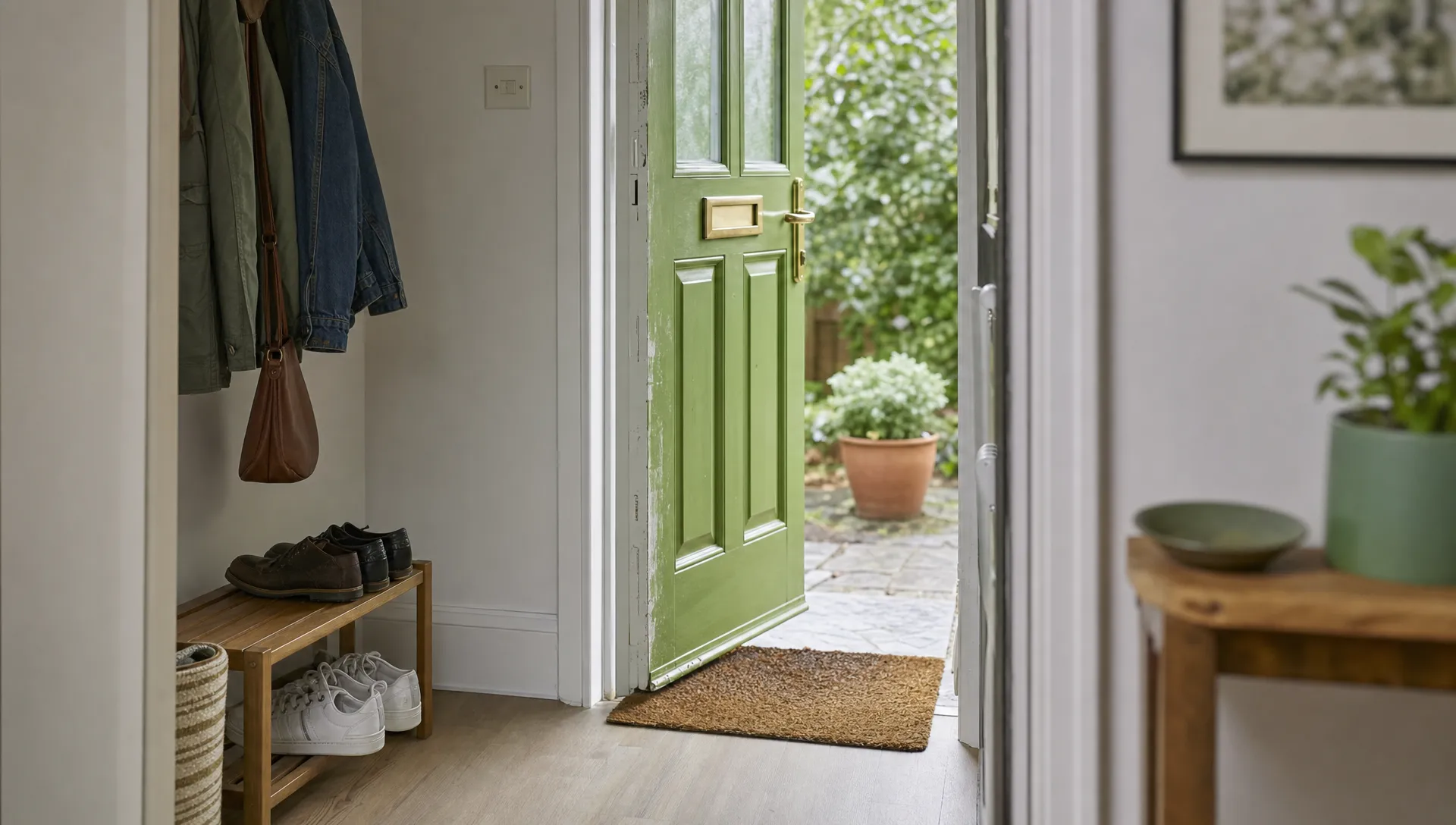
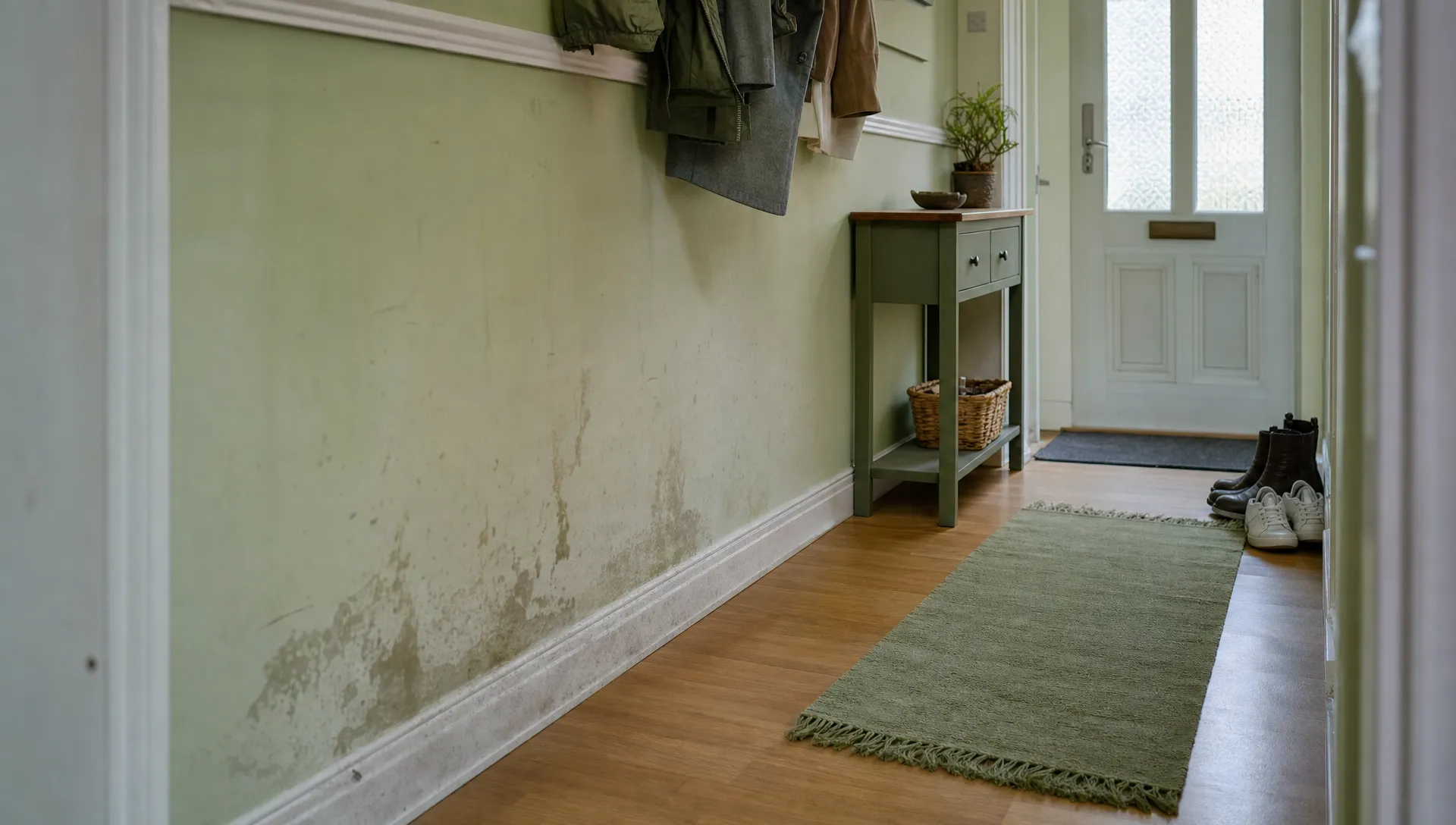
A realistic UK hallway with a painted timber front door slightly ajar, showing light scuff marks near the door edge and threshold. The scene is viewed from a normal standing distance with natural daylight and ordinary household items near the entrance.

Can you fix a sticking front door yourself?

There are a few safe checks you can do before hiring someone. Keep them simple. The aim is to rule out obvious obstructions, not to reshape the door or dismantle the lock.

You can try the following:

  • Clear grit, leaves or loose paint from the threshold and door frame.
  • Check that a doormat, rug or draught excluder is not stopping the door closing.
  • Look for visibly loose hinge screws on a timber door, but do not over-tighten them.
  • Wipe moisture from the bottom edge of the door and check whether rainwater is sitting against it.
  • Test the key and handle with the door open, so you can tell whether the lock works freely.

Stop there if the problem continues. Do not chisel the frame, plane the door heavily or oil every part of the lock in the hope that it frees up. Wrong products can attract dirt inside a lock, and heavy DIY adjustment can make the final repair harder.

If the door is in a rented property, report it with photos and a short description of the problem. Mention whether the tenant can lock the door, whether it sticks all the time or only in wet weather, and whether the key works when the door is open. That information helps a landlord or property manager send the right trade first time.

When a sticking front door may point to a bigger problem

Most sticking doors are not structural emergencies. Still, some signs suggest the issue is beyond a simple hinge or lock adjustment.

Cracks spreading from the corners of the door frame, gaps opening between the frame and wall, damp or rotten timber around the frame, or a door that suddenly becomes badly out of square can indicate movement or decay around the opening. A builder may need to inspect the surrounding wall, lintel or brickwork before a carpenter repairs or refits the door.

If the front door has swollen after a leak, gutter problem or repeated rain exposure, the cause of the moisture needs fixing too. Otherwise, a newly adjusted door may start sticking again. In many UK homes, especially older terraces and bay-fronted houses, front doors are exposed to wind-driven rain and can deteriorate faster if paint or sealant has failed.

For landlords, this is also a security and habitability issue. A tenant who cannot close or lock a front door properly should not be left waiting for a routine repair slot. Even if the final repair is minor, arrange an assessment promptly and keep a record of the work.

What a tradesperson may do to repair it

The repair depends on the door type and the cause. A carpenter and joiner may adjust hinges, rehang the door, ease a tight edge, repair part of the frame or adjust the strike plate so the latch sits correctly. With a timber door, they may recommend sealing or repainting any exposed edge after the adjustment.

A locksmith may adjust the lock keep, realign a uPVC or composite door lock, repair a stiff mechanism or replace worn parts if the lock has been strained. If the lock has already failed and the door cannot be secured, the job may become more urgent and parts may be needed.

A builder may be needed if the frame has moved because of damp, rot, failed masonry or a problem with the opening itself. Once the underlying issue is resolved, a carpenter can usually complete the door and frame work.

When requesting quotes, describe the symptoms rather than guessing the repair. For example, say “the door catches at the top right and the key only turns when I pull the door towards me” instead of “the lock is broken”. Clear symptoms help tradespeople quote more accurately.

Questions to ask before booking

A good tradesperson should be able to explain the likely cause in plain English and tell you whether they expect to repair, adjust or replace anything.

Useful questions include:

  • Do you repair this type of door, timber, uPVC or composite?
  • Is this likely to be a hinge, frame or lock alignment problem?
  • Do you charge a call-out fee, and is it included in the quote?
  • Can you make the door secure on the first visit if parts are needed later?
  • Will you separate labour and parts on the invoice?
  • For timber doors, will any planed or sanded areas be sealed afterwards?

Price matters, but so does choosing the right trade. A cheaper visit from the wrong person can cost more if they cannot complete the repair. HaMuch helps by showing local tradespeople, genuine customer reviews and comparable pricing information upfront, so you can see how rates differ before you make contact.

Frequently Asked Questions

Why is my front door suddenly sticking? Sudden sticking is often caused by damp weather, a dropped hinge, swelling timber or a lock that has moved out of alignment. If it happened after heavy rain, new flooring or decorating, mention that when requesting a quote.

Who do I call for a front door sticking, a carpenter or locksmith? Call a carpenter and joiner if the door is rubbing, swollen, dropped or catching on the frame. Call a locksmith if the key, handle or locking mechanism is the main problem, especially on uPVC or composite doors.

Can a sticking front door fix itself when the weather changes? A timber door may ease slightly when the weather dries out, but repeated sticking usually means the door needs adjustment or sealing. If the door will not lock properly, do not wait for the weather to change.

Is it safe to plane a sticking front door myself? Light DIY checks are fine, but planing can create gaps, expose unsealed timber or make the lock line up badly. For a front door, especially one exposed to rain or needed for security, a carpenter is usually the safer option.

What should I do if my front door will not lock? Treat it as a security issue and contact a locksmith as soon as possible. Avoid forcing the key or handle, as this can damage the mechanism and make the repair more expensive.

Get your front door closing properly again

If your front door is sticking and will not close properly, do not keep forcing it. Make a note of where it catches, check whether the lock works with the door open and then get the right trade to look at it.

You can post your job on HaMuch for free, compare local carpenters, joiners and locksmiths, check transparent pricing information and request quotes with no obligation to book. If the door cannot be locked, say so in the job description so local tradespeople know it needs urgent attention.

Musty Smell Coming From Under the Floorboards

Musty Smell Coming From Under the Floorboards

A musty smell coming from under the floorboards is usually a sign that moisture is trapped somewhere below the timber. It might be a small plumbing leak, condensation in the floor void, blocked air br

A musty smell coming from under the floorboards is usually a sign that moisture is trapped somewhere below the timber. It might be a small plumbing leak, condensation in the floor void, blocked air bricks, rising damp or wet ground outside pushing moisture into the house.

The good news is that the smell itself gives you an early warning. If you act before the boards soften, mould spreads or timber starts to rot, the fix is often simpler than waiting until the floor feels spongy or visible damp appears.

What to do first if the smell has appeared suddenly

Start with a quick, safe check. You do not need to pull the floor apart straight away, and in many homes you should not lift boards unless you know what is underneath them. Pipes and cables can run below floorboards, and a small investigation can become a bigger repair if a board is forced up badly.

Walk around the room and note where the smell is strongest. Check near radiators, sinks, washing machines, dishwashers, downstairs WCs, fireplaces, bay windows and external walls. If the smell is worse after rain, that points more towards damp, drainage or outside ground levels. If it is worse after using the shower, bath, washing machine or heating, a leak becomes more likely.

Look for practical clues:

  • Dark patches, staining or lifting floor finishes
  • Boards that feel soft, springy or uneven
  • A damp skirting board or peeling paint low on the wall
  • A radiator losing pressure or needing regular topping up
  • Air bricks outside that are blocked by soil, leaves, paving or stored items
  • A stronger smell in a cupboard, corner or under stairs area

If you find active water, turn off the water supply at the stop tap if safe to do so. If water is near sockets, lights, appliances or visible wiring, do not touch the area and arrange urgent help. If the smell is not musty but smells like gas, leave the property, call the National Gas Emergency Service on 0800 111 999 and contact a Gas Safe registered engineer.

What a musty smell under floorboards usually means

A musty smell is different from a drain smell or a gas smell. It is often earthy, stale or like wet wood. That usually means there is enough moisture for mould, mildew or timber decay to develop in a hidden space.

Older UK homes with suspended timber floors are especially prone to this. These floors often have a void beneath them, with air bricks to let air move through. If that airflow is blocked, moisture can sit under the floor and make the boards smell damp even when there is no obvious leak.

Likely cause Common signs Trade usually needed
Leaking pipe under the floor Smell in one area, damp boards, boiler pressure dropping, water meter movement Plumber or heating engineer
Poor subfloor ventilation Stale smell across the room, blocked air bricks, condensation, worse in winter Builder or ventilation and AC engineer
Rising damp or bridging outside Damp skirting, tide marks, external ground level too high Builder or damp specialist
Drainage or rainwater problem Worse after rain, damp near external walls, pooling outside Builder, drainage contractor or plumber
Rotten or damaged floorboards Soft timber, bouncing floor, persistent smell after the leak is fixed Carpenter and joiner, often after the damp source is repaired

The right trade depends on the cause. If you suspect a leak, start with a plumber. You can check local plumber rates on HaMuch before you book, which is useful because call-out costs and labour rates can vary between London, Birmingham, Manchester and nearby towns. If you are not sure how to choose someone, HaMuch also has a practical checklist on how to find a reliable plumber.

When the cause is probably a plumbing leak

A plumbing leak is more likely if the musty smell is localised to one area, especially near a radiator, bathroom, kitchen, utility room or downstairs cloakroom. Leaks under floors are not always dramatic. A pinhole leak from a pipe, a slow waste pipe leak or a small joint failure can release enough water to soak dust, timber and insulation without showing as a visible puddle.

You might also notice your boiler pressure dropping if the leak is on a central heating pipe. In that case, a heating engineer may be more suitable than a general plumber, particularly if the repair involves the heating system. You can compare heating engineer rates to get a clearer idea of local pricing before arranging a visit.

A plumber or heating engineer may check the stop tap, visible pipe runs, radiator valves, boiler pressure, waste pipes and the area below nearby fixtures. They may need to lift a small section of floor or use moisture readings to narrow down the location. The aim is to avoid unnecessary damage while finding the source.

Do not keep using the room as normal if the boards feel wet, soft or warm in patches. Heat, trapped moisture and timber do not mix well. The sooner the leak is found, the easier it usually is to dry the area properly and prevent further repairs.

When the cause is damp or poor ventilation

If the smell is spread across a room rather than one clear patch, think about subfloor ventilation. In many Victorian, Edwardian and mid-century homes, timber floors rely on airflow beneath them. Air bricks at the outside walls let fresh air pass through the void. When they are blocked, damp air sits under the boards.

Common causes include raised patios, soil piled against the wall, debris in the air brick, insulation fitted too tightly, new flooring that traps moisture or furniture blocking internal airflow. Sometimes home improvements accidentally create the problem. A new path or patio can sit too high against the wall and bridge ventilation points, which lets damp build up where it was not a problem before.

For blocked air bricks, high external ground levels, damaged damp-proofing or timber floor issues, a builder is often the right first call. You can compare builder rates on HaMuch if the investigation points towards external ground levels, brickwork, air bricks or damp-proofing rather than a pipe leak.

If the issue is mainly airflow, such as condensation building up in a poorly ventilated void, a ventilation and AC engineer may also be relevant. That is more likely where the property has ongoing condensation problems, sealed floors or poor background ventilation throughout the home.

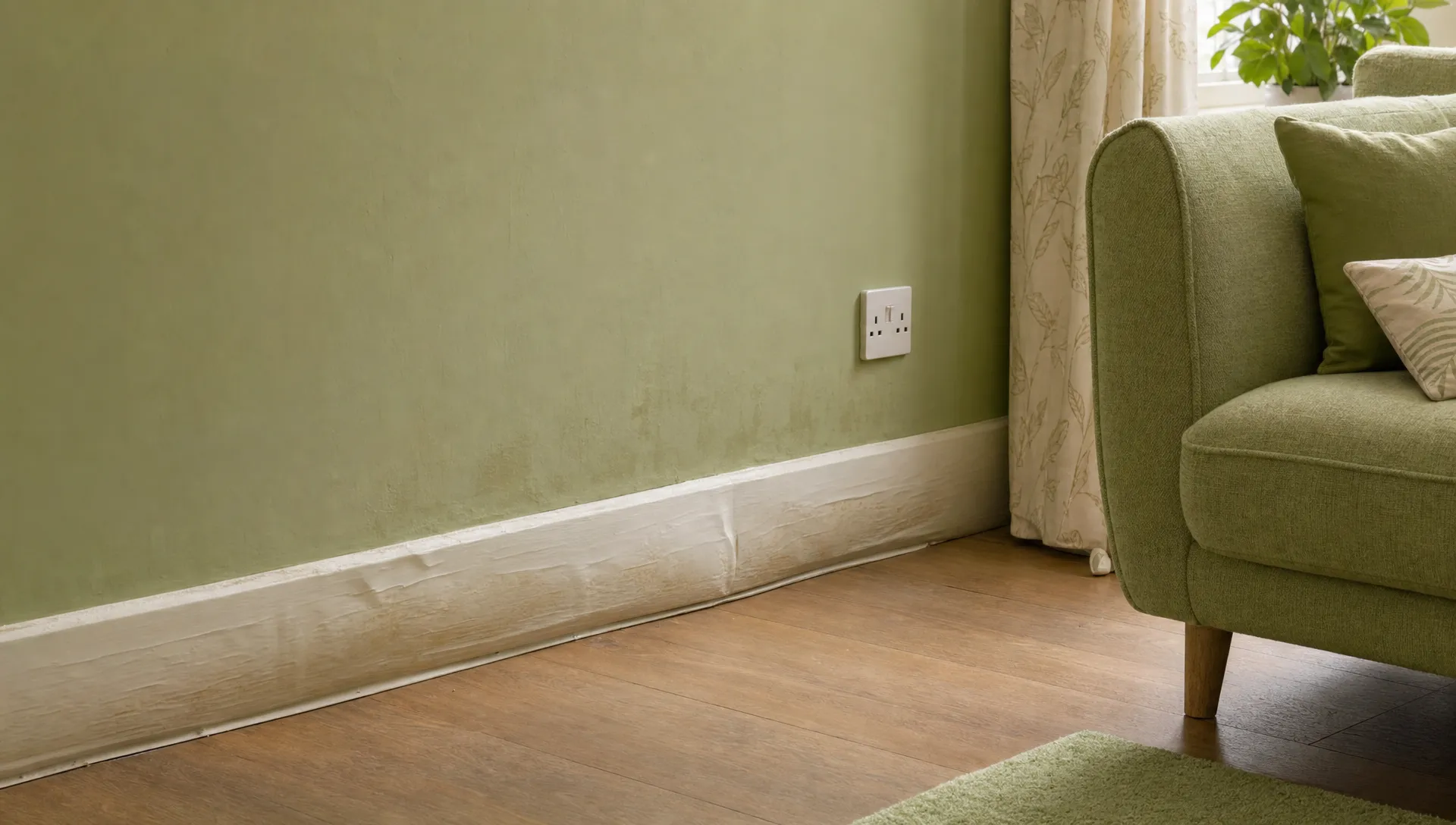
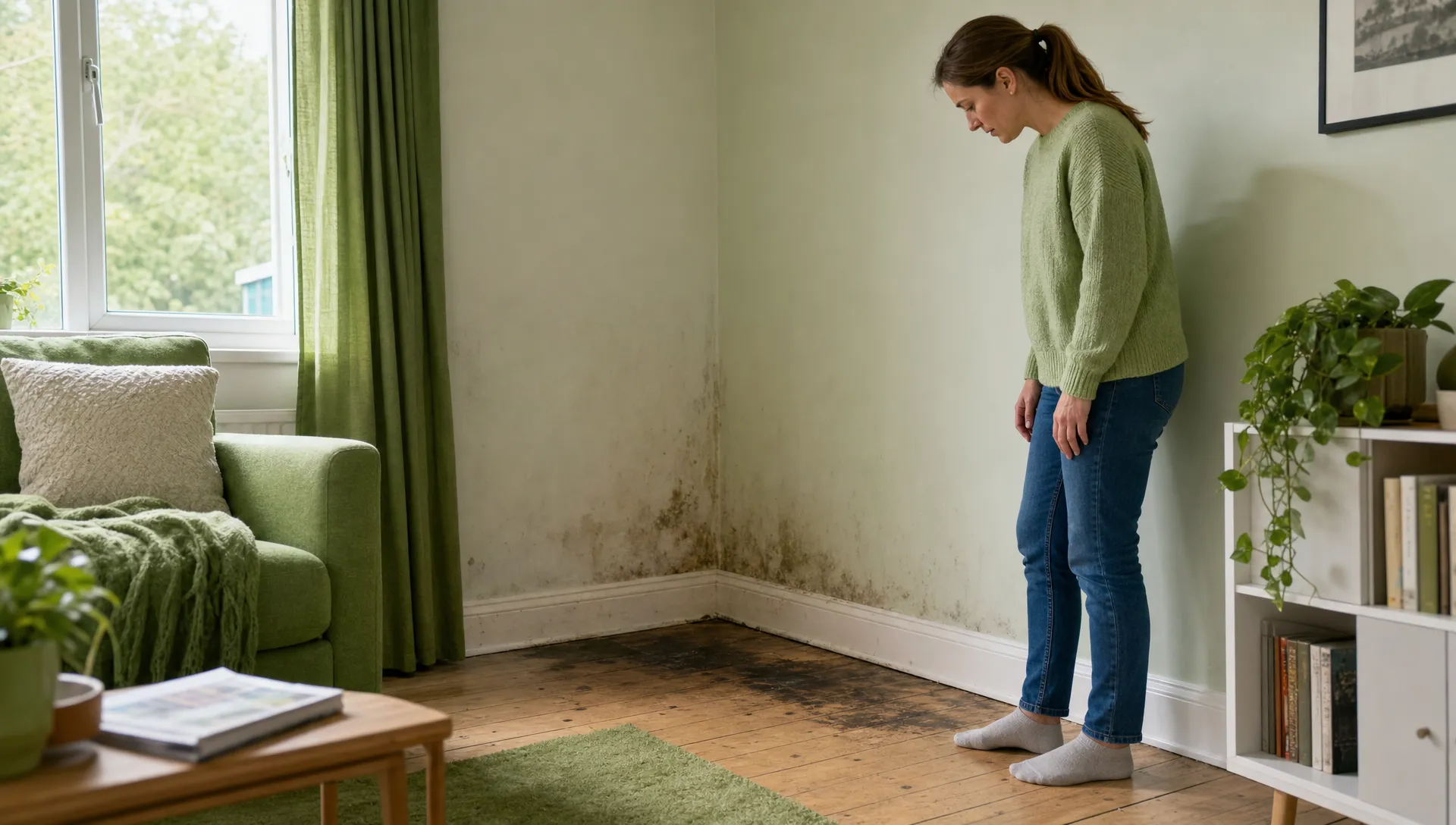
A UK living room shows stained floorboards near the skirting board while a homeowner stands nearby checking the musty patch.

When the smell is linked to rain or outside ground conditions

If the musty smell gets stronger after heavy rain, the cause may be outside rather than under the floor itself. Rainwater can collect against walls if gutters overflow, drains are blocked, paving slopes the wrong way or the ground level outside is too high.

In terraced homes and older properties around London, Birmingham and Manchester, small front gardens and rear yards are often paved. If paving is laid too close to air bricks or above the damp-proof course, it can trap moisture against the wall and reduce airflow under the floor. Over time, that damp air can make the floorboards smell musty.

A builder can check ground levels, walls, air bricks and obvious signs of penetrating damp. A drainage contractor or plumber may be needed if there is a blocked drain, leaking underground pipe or water collecting near the property. If the issue involves a patio or path that is too high or poorly draining, a local patio and path specialist may be able to help after the damp cause has been confirmed.

Could it be mould, rot or damaged timber?

Mould and rot are not usually the first cause. They are more often the result of moisture being present for too long. If the boards feel bouncy, soft or crumbly, or if the smell remains after a leak has been repaired, timber may have been affected.

A carpenter and joiner can replace damaged boards, joists or skirting, but it is important to fix the moisture source first. Replacing timber without solving the leak, damp or ventilation problem usually means the smell will come back.

A good tradesperson will normally want to understand why the timber became damp before quoting for replacement. That might mean bringing in a plumber, builder or damp specialist first, depending on what they find.

What not to do

It is tempting to hide the smell with air fresheners, scented candles or new flooring, but those only mask the symptom. Laminate, vinyl and carpet can trap moisture underneath, which can make the smell worse and slow down drying.

Avoid painting or sealing floorboards until the source has been found. Do not block air bricks to stop draughts, as that can make subfloor moisture worse. If you use a dehumidifier, treat it as a temporary drying aid rather than the fix. A dehumidifier can remove moisture from the air, but it cannot repair a leaking pipe or clear a blocked air brick.

You should also be careful with DIY floor lifting. Floorboards can split, pipes can be clipped beneath them and older boards may be difficult to refit neatly. If the room has fitted flooring, underfloor heating or suspected electrical work below, it is safer to get a professional assessment.

What a tradesperson will usually check

A proper inspection should start with questions about when the smell began, whether it changes after rain or water use, and whether any work has recently been done. Recent flooring, plumbing, radiator, bathroom or patio work can all be relevant.

Depending on the likely cause, the tradesperson may check:

  • Moisture levels in boards, skirting and nearby walls
  • The condition and airflow of external air bricks
  • Visible pipework, radiator valves and plumbing connections
  • Boiler pressure and heating pipe routes
  • Outside ground levels, gutters, drains and paving falls
  • Whether any timber needs drying, treatment or replacement

This is where comparing more than one quote helps. One tradesperson may approach it as a leak investigation, while another may see signs of poor ventilation or external damp. HaMuch is built to make those comparisons easier by showing real, comparable local rates rather than leaving you to guess what a fair starting point looks like.

Advice for landlords and property managers

If a tenant reports a musty smell under floorboards, treat it as a repair issue rather than a housekeeping complaint until the cause is known. Ask when the smell appears, whether it is worse after rain or water use, and whether there are soft boards, damp skirting or visible mould.

For rented homes, damp and mould should be dealt with promptly. GOV.UK guidance on damp and mould makes clear that landlords and housing providers should understand and address moisture problems, not just clean visible mould and leave the cause unresolved.

Keep records of reports, photos, inspections and quotes. If the property is between tenancies, it is sensible to deal with the smell before new flooring or decorating, otherwise the next tenant may report the same issue soon after moving in.

How urgent is a musty smell under floorboards?

It depends on the signs around it. A faint smell in an old room with blocked air bricks may not be an emergency, but it should still be investigated. A strong smell with wet boards, a spreading stain, falling boiler pressure or visible mould needs faster attention.

Use this as a simple guide:

Situation How quickly to act
Slight musty smell, no visible damp, floor feels firm Arrange an inspection soon, especially if it persists
Smell worse after rain or near an outside wall Book a builder or damp inspection before redecorating
Smell near bathroom, kitchen, radiator or utility room Contact a plumber or heating engineer promptly
Wet, soft or stained floorboards Treat as urgent and avoid using the area where possible
Water near electrics or active leak Get urgent help and avoid touching affected fittings

Frequently Asked Questions

Why do my floorboards smell musty but look dry? Moisture can be trapped underneath the boards even when the top surface looks dry. Poor airflow, a slow leak or damp in the subfloor void can create a smell before visible staining appears.

Can I fix a musty smell under floorboards myself? You can check for blocked air bricks, obvious leaks and damp patches, but do not lift boards or disturb hidden services unless you are confident it is safe. If the smell persists, get a plumber, builder or ventilation specialist to investigate.

Who should I call for a musty smell under floorboards? Call a plumber if the smell is near water pipes, radiators, bathrooms or kitchens. Call a builder if it is linked to damp walls, blocked air bricks, high outside ground levels or rain. A carpenter may be needed later if timber has rotted.

Will a dehumidifier get rid of the smell? A dehumidifier may reduce damp air, but it will not solve the cause if there is a leak, blocked ventilation or outside water problem. Use it only as a short-term aid while the source is being fixed.

Is a musty smell under floorboards dangerous? It is not always immediately dangerous, but it can point to damp, mould or timber decay. If there is active water, soft flooring, electrical risk or a strong smell that is getting worse, arrange help quickly.

Get local help before the problem spreads

A musty smell from under the floorboards is one of those household problems where the right first call matters. It could be plumbing, heating, ventilation, damp, drainage or timber repair, and guessing can waste time.

Post the job on HaMuch to compare local tradespeople, see transparent rates and read genuine customer reviews before deciding who to hire. If the floor is wet, soft or the smell is getting stronger, treat it as urgent and request quotes now so a suitable plumber, builder or heating engineer can investigate before more damage is done.

Cracks Appearing Above a Door Frame

Cracks Appearing Above a Door Frame

Spotting cracks above a door frame can be unsettling, especially if they seem to have appeared overnight. The good news is that many cracks in this area are minor plaster movement, not a serious struc

Spotting cracks above a door frame can be unsettling, especially if they seem to have appeared overnight. The good news is that many cracks in this area are minor plaster movement, not a serious structural problem. But because doorways are weak points in a wall, some cracks do need a closer look.

This guide explains the most common causes of cracks above door frames, what warning signs to check for, and which trade to call. If you decide to get the crack inspected or repaired, HaMuch helps you compare local tradespeople with transparent, comparable pricing, so you are not guessing before you ask for quotes.

First, check what type of crack you have

Before you start worrying about major movement, take a calm look at the crack and the area around it. A thin hairline crack in the plaster is very different from a wide, jagged crack that runs through the wall and keeps growing.

Look for these clues:

  • Width: Is it a hairline crack, or can you fit the edge of a coin into it?
  • Direction: Does it run straight up, diagonally from the corner of the door, or across the wall?
  • Change over time: Has it stayed the same, or is it getting longer or wider?
  • Door movement: Has the door started sticking, rubbing, or not closing properly?
  • Other signs: Are there cracks outside, damp patches, sagging plaster, or gaps around skirting boards and architraves?

If the crack is thin, dry and stable, it is often a plastering or decorating issue. If the crack is widening, the door is sticking, or there are matching cracks on nearby walls or outside brickwork, a builder or structural professional may need to inspect it.

Why cracks often appear above door frames

Door openings naturally create a break in a wall. That means stress is more likely to show around the corners of the opening, especially above the frame. This is why cracks above door frames are common in older houses, newly plastered rooms, extensions and properties that have had layout changes.

The key is not just where the crack is, but what else is happening around it.

1. Normal plaster shrinkage or settlement

Small cracks above a door frame are often caused by normal drying, shrinkage or minor settlement. This is especially common after recent plastering, decorating, refurbishment, or building work.

You might notice:

  • A thin, straight or slightly diagonal hairline crack
  • No damp staining
  • No sticking door
  • No matching crack on the other side of the wall
  • No sign that the crack is widening

This type of crack is usually dealt with by a plasterer or painter and decorator. A plasterer can rake out and refill the crack properly if the surface has failed, while a decorator may be enough if it is only a fine surface crack before repainting.

The important point is to wait until you are confident the crack has stopped moving. Filling it too soon can mean it reappears quickly.

2. Movement around the doorway opening

A doorway is one of the weaker points in a wall because material has been removed to create the opening. Over time, tiny movements can show at the top corners of the frame. This does not automatically mean the wall is unsafe, but it is worth monitoring.

This can happen in older homes where the building has settled over decades, or in busy areas of the home where doors are opened, closed and sometimes slammed every day. You may also see fine cracks where the architrave meets the wall or where old filler has failed.

A plasterer can usually repair the finish if the wall itself is stable. If the crack is repeatedly coming back after repair, or if the door lining looks out of square, it may be better to ask a builder to inspect the opening first.

3. Door frame or timber movement

Sometimes the problem is not the wall itself, but the timber door frame, lining or architrave moving slightly. Timber expands and contracts with changes in temperature and moisture. New doors, newly fitted frames, or older timber that has dried out can all create small gaps and cracks where the plaster meets the frame.

Common signs include a crack tight against the door frame, a gap between the architrave and wall, or a door that rubs in one season but not another. If the frame is loose, twisted or poorly fitted, a carpenter and joiner is usually the right person to call. Once the timber issue is sorted, a plasterer or decorator can make good the surrounding finish.

If the door is suddenly badly sticking and the wall above it is cracking, treat that as a bigger warning sign and speak to a builder rather than assuming it is only joinery movement.

4. Lintel or support movement above the doorway

Most door openings need some form of support above them. This may be a lintel, timber support, steel beam, or another structural arrangement depending on the age and construction of the property. If that support is missing, undersized, damaged or disturbed by previous building work, cracks can appear above the frame.

Signs that the issue could be structural include:

  • A diagonal crack starting from the top corner of the frame
  • Cracks on both sides of the same doorway
  • A crack that keeps widening
  • The wall or plaster above the door looking bowed or uneven
  • A door that has started jamming at the top
  • Cracking near a wall that has been removed or altered

A builder is usually the first trade to contact for this kind of issue. They can assess whether the opening needs repair, reinforcement, or further investigation by a structural engineer. If the problem relates to a steel beam or a widened opening, HaMuch's guide to RSJ installation costs is a useful next step for understanding what may be involved.

For structural alterations, Building Regulations may apply. The UK Planning Portal guidance on internal walls and Building Regulations explains why load bearing walls and supports need proper care.

5. General house movement or subsidence

Most cracks above door frames are not subsidence. However, wider or spreading cracks can sometimes point to wider movement in the property, especially if they appear alongside other signs.

Take extra care if you notice cracks running through external brickwork, gaps opening around windows, sloping floors, or several doors and windows sticking at once. In that situation, a builder may still be your first practical contact, but you may also need advice from a structural engineer or building surveyor.

If you are a landlord, do not ignore repeated or worsening cracks in a rental property. Record the issue, take dated photos, and get it assessed promptly, especially if tenants report doors sticking or plaster falling away.

6. Damp, leaks or blown plaster

A crack above a door frame can also be linked to moisture. This is more likely if the plaster looks stained, soft, bubbling, powdery or darker than the surrounding wall. The cause might be a leak from above, a bathroom issue, roof defect, guttering problem, or condensation affecting the plaster.

If there is active water or damp staining, fix the moisture source before repairing the crack. A plumber is usually the right trade if the water is coming from pipework, a bathroom, or a heating system. A builder or roofing specialist may be needed if the water is coming through the roof, wall, guttering or external fabric.

Once the area has dried properly, a plasterer can repair the damaged surface. If you only fill and paint over damp plaster, the crack or stain is likely to return.

Quick guide: what the crack may mean and who to call

What you can see Most likely cause Who to call first
Thin hairline crack, no movement, no damp Plaster shrinkage or minor settlement Plasterer or painter and decorator
Crack tight against the frame or architrave Timber frame movement or poor fit Carpenter and joiner, then plasterer if needed
Diagonal crack from the top corner of the door Movement around opening or possible lintel issue Builder
Crack is getting wider or door is sticking Possible structural movement Builder, possibly structural engineer
Damp stain, bubbling paint or soft plaster Leak or moisture damage Plumber, builder, then plasterer
Cracks inside and outside in the same area Wider building movement Builder or structural engineer

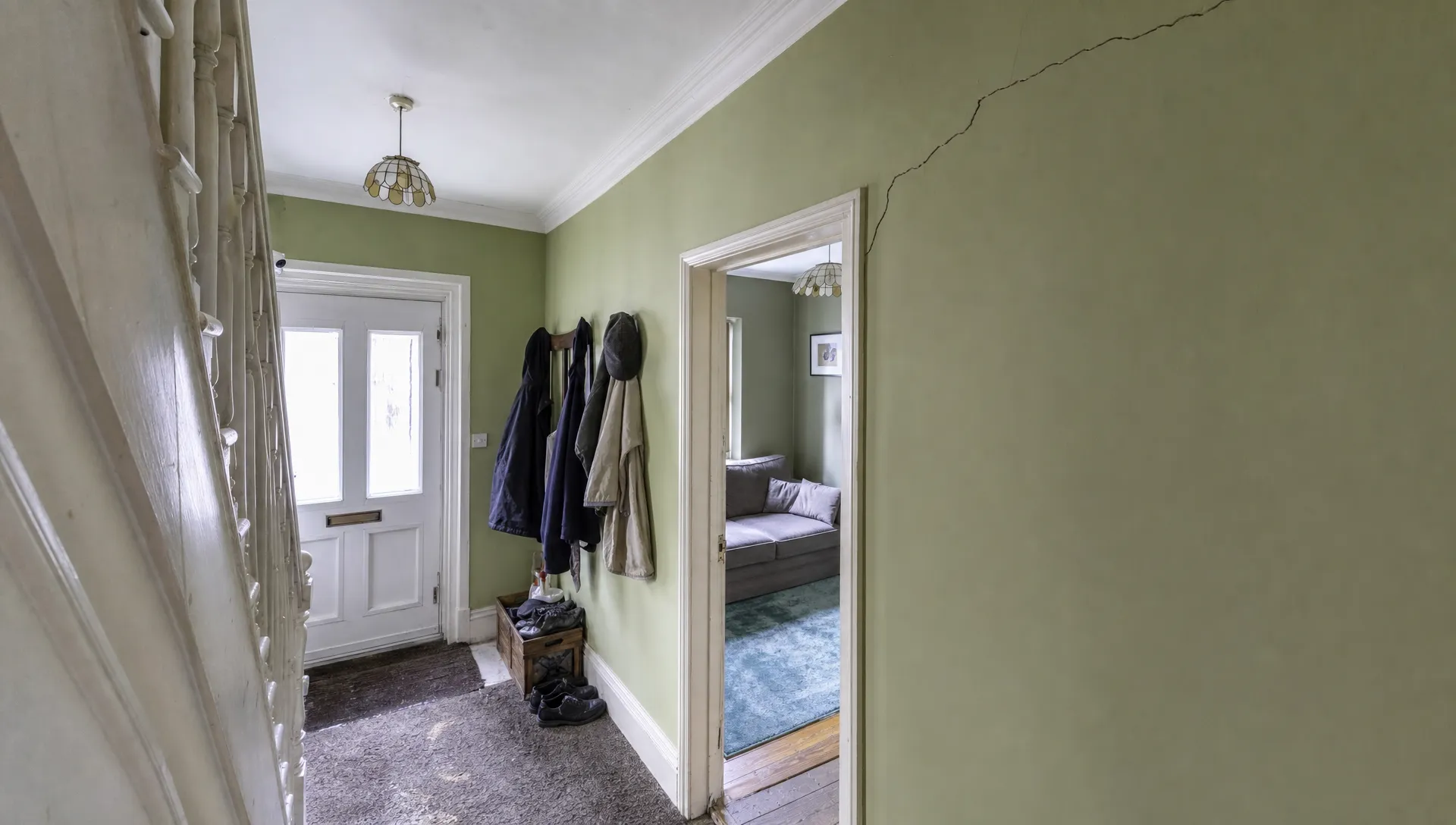
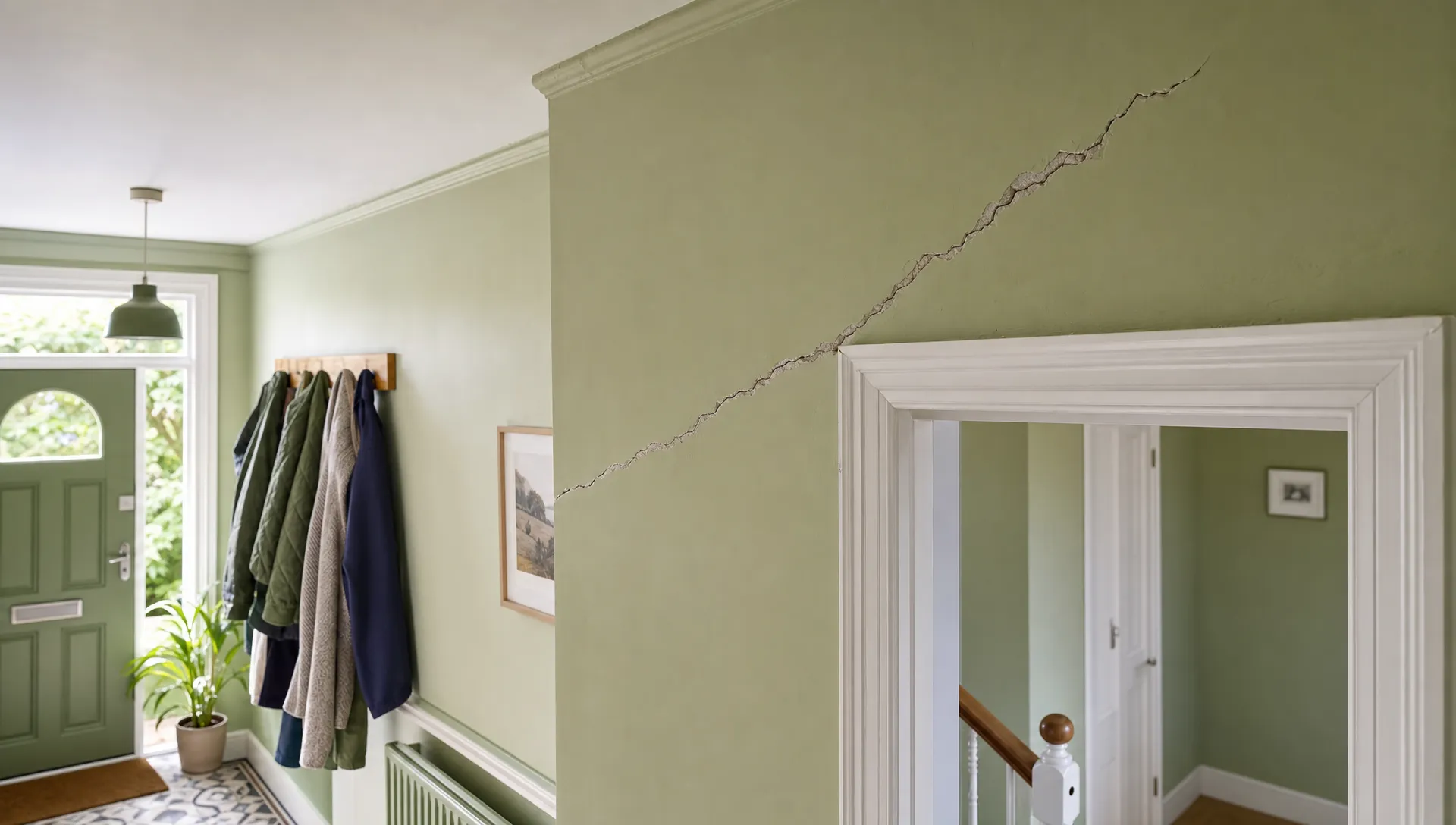
A UK hallway shows a diagonal plaster crack above an internal door frame, with coats, skirting boards and natural daylight nearby.

How to tell whether the crack is getting worse

If the crack does not look urgent, monitor it before spending money on a repair. This is especially helpful for landlords and homeowners who need to explain the issue clearly when requesting quotes.

Take a photo from the same position every week or two. Place a ruler or coin nearby for scale, but do not damage the wall. You can also make a tiny pencil mark at each end of the crack with the date, as long as the wall finish allows it.

Check whether the door still opens and closes normally. If it begins to rub, latch poorly, or stick at the top, that is useful information for a tradesperson. Also look at the other side of the wall and the outside of the property if the doorway is near an external wall.

If the crack changes quickly, plaster starts falling away, or the door becomes difficult to use, do not just fill it. Get it inspected.

Can you repair cracks above a door frame yourself?

You may be able to repair a very fine, stable surface crack yourself if you are confident there is no damp, no movement and no door problem. A basic cosmetic repair usually involves opening the crack slightly, filling it with a suitable filler, sanding, priming and repainting.

However, DIY filler is not the right answer if the crack keeps returning. It also will not solve a loose frame, failed lintel, damp plaster, or movement in the wall. In those cases, filling the surface simply hides the clue rather than dealing with the cause.

For a neat finish, a plasterer or decorator will usually get a better result, particularly if the crack is in a visible hallway, living room or rental property. For suspected movement, start with a builder before paying for cosmetic repairs.

What affects the cost of fixing cracks above a door frame?

The cost depends on what is causing the crack, not just the crack itself. A small plaster repair is very different from investigating a possible support issue above an opening.

The main cost factors are the trade needed, the size of the affected area, whether the cause is still active, how easy the wall is to access, and how much making good is required afterwards. In London, Birmingham, Manchester and surrounding areas, labour rates can vary by location and demand, so it is sensible to compare current local rates before booking.

HaMuch publishes transparent trade pricing so you can check what local tradespeople charge rather than relying on vague estimates. For example, you can compare current builder rates if the crack may involve movement above the opening, or check plasterer rates if it looks like a surface repair.

If damp is involved, compare plumber rates before arranging leak investigation or repair. The final plastering and decorating should usually wait until the source of moisture has been fixed and the wall has dried.

What to tell a tradesperson when asking for a quote

A clear job description helps you get better quotes and avoids wasted callouts. You do not need to diagnose the problem yourself, but you should describe what you can see.

Useful details include:

  • Where the crack is and which room it is in
  • Whether it is above an internal or external doorway
  • How long it has been there
  • Whether it is getting longer or wider
  • Whether the door sticks or the frame has moved
  • Whether there is damp staining, bubbling paint or soft plaster
  • Whether any building work has been done nearby
  • Whether there are matching cracks outside or on the other side of the wall

Photos are especially helpful. Include one close enough to show the crack and one wider photo showing the whole doorway and surrounding wall. This helps a builder, plasterer or carpenter understand the context before quoting.

When should you act quickly?

You do not need to panic about every crack above a door frame. But you should arrange an inspection sooner rather than later if the crack is widening, the door is suddenly sticking, plaster is bulging or falling away, or there are cracks on both sides of the wall.

Act promptly if there is damp staining or active water, because moisture can damage plaster, timber and finishes. If you are dealing with a rental property, it is also better to address visible cracks early, before tenants become concerned or the damage spreads.

If you are unsure whether the issue is cosmetic or structural, choose a builder for the first visit. They can tell you whether a plasterer, carpenter, plumber, or structural engineer is needed next.

Frequently asked questions

Are cracks above door frames serious? Not always. Many are minor plaster cracks caused by shrinkage, settlement or movement around the frame. They become more concerning if they widen, run diagonally, appear with sticking doors, or match cracks elsewhere in the property.

Why do cracks start at the corner of a door frame? Corners of openings are stress points in a wall. Small movements often show there first, which is why cracks commonly appear from the top corner of a door or window.

Should I call a builder or plasterer for cracks above a door frame? Call a plasterer if the crack is fine, stable and cosmetic. Call a builder if it is widening, diagonal, linked to a sticking door, or could involve the support above the opening.

Can a sticking door be linked to wall cracks? Yes. A sticking door can mean the frame has moved, the timber has swollen, or the wall around the opening has shifted. If the sticking appears at the same time as new cracking, get it checked.

Should I repair the crack before selling or renting out a property? It is usually better to understand the cause first. A neat cosmetic repair is fine for a stable plaster crack, but repeated or widening cracks should be inspected and properly fixed before decorating.

Compare local tradespeople before you book

If you have cracks above a door frame and are not sure who to call, post the job on HaMuch. Describe the crack, add photos, and compare local builders, plasterers, carpenters or plumbers depending on the likely cause.

HaMuch is free for homeowners to use and there is no obligation to book. You can compare real local pricing, check customer reviews, and choose the right tradesperson with more confidence before the work starts.

Builders and Plumbers in the southeast 25 times more expensive

Regional / local: The UK’s cheapest tradesmen are in Birmingham / Nottingham / Nuneaton / Blackwood / Doncaster

  • North-south divide in builder costs as much as £240-per-hour
  • Surrey and London most expensive for tradesmen/women
  • Midlands offers best value to homeowners, according to HaMuch.com

A new data survey by building work pricing site HaMuch.com has revealed the stark differences between the southeast and the rest of the UK when it comes to the cost of building work. The divide appears to be drawn at Watford Gap, with the Midlands offering best value, whilst Surrey and London have the most expensive tradesmen.

The spread of prices for common household jobs across the recently-launched website’s 12,000 tradesmen ranged from £10-per-hour to an incredible £250-per-hour, with builders in Surrey charging as much as 25-times more than their counterparts in Nottingham. Plumbers in Surrey also charged an eye-watering 20-times more than those in Caerphilly. Meanwhile, hiring an electrician in London could cost you £250-per-hour, compared with a bargain basement £10-per-hour in Birmingham. 

The startling prices were uncovered by the data processing team for https://www.hamuch.com as part of their efforts to ensure that homeowners know the cost of jobs up-front. The website lists a labour cost for each tradesman/tradeswoman listed on the service and allows homeowners to search trades in their area by cost, so that no one busts their budget building an extension to having a boiler serviced. So if you are searching ” heating engineer near me

“We knew there was a wide disparity in charges between the southeast and the rest of the UK, but we were shocked just how wide that was”, says HaMuch.com founder Tarquin Purdie. “The prices show that the market can take a lot in the southeast, whereas rates in parts of the Midlands and north may not have increased for several years. It is certainly something that will make the industry and even government ministers sit up and pay attention.

“We are committed to making sure homeowners and renters alike know the cost of a job before they even approach a plumber or a painter. Not all builders and trades will like it, but we think that the best are only too happy to be honest and up-front on costs.”

The most inexpensive painter and decorator and carpenter both charged £10-per-hour and were in Nuneaton and Doncaster respectively. The most costly were in Brighton and Islington, at £150 and £100. 

The full breakdown of low and high prices is as follows:

Building work: Cheapest, £10-per-hour in Nottingham, East Midlands. Most costly, £250-per-hour in Camberley, Surrey.

Electricians: Cheapest, £10-per-hour in Birmingham, West Midlands. Most costly, £250 in Edgware, London. 

Plumbing:  Cheapest, £10-per-hour in Blackwood, Caerphilly. Most costly, £200-per-hour in Addlestone, Surrey. 

Painting and decorating: Cheapest, £10-per-hour in Nuneaton, Warwickshire. Most costly, £150-per-hour in Brighton, East Sussex. 

Carpenters: Cheapest, £10-per-hour in Doncaster, South Yorkshire. Most costly, £100 in Islington, London. 

Upgrade Your House: Swap Your Kitchen Cabinets

Swap kitchen cabinets

When it’s time to upgrade your home, your kitchen is definitely one of the most important rooms in the house. It is one of the rooms that is used every single day, and usually forms the centre point of your house. That’s why experts recommend making a few changes to your kitchen cabinet installation to immediately add value to your home.

Your kitchen cabinets are one of the most practical aspects of your kitchen. Not only does it provide you with storage space but it can also create a completely unique feel to your kitchen. That’s why many homeowners choose to simply change the kitchen’s cabinets to immediately uplift the entire room and at their own unique style.

Here are a few great reasons why you should consider a kitchen upgrade:

  • It adds value. Since your kitchen is such a practical space, by simply changing up your kitchen cupboards you can immediately add value to your home in general.

  • Increases your storage space. By changing your kitchen cupboards, you can make use of the space you have and increase the amount of storage you have available in your location.

  • Add a new style. One benefit of a new kitchen cabinet installation is that you can choose your own style and create a unique feel in your kitchen.

  • Reduce germs and bacteria. Older kitchen cabinets can often be a breeding ground for mould and bacteria. The porous surface provides the perfect breeding ground for bad germs; upgrading your kitchen cabinets will allow you to make use of newly engineered materials that resist microbial growth.

If you work with a professional builder or designer you can get great ideas in terms of different types and styles of kitchen cabinets that are available. Kitchen designers know how to work with your existing layouts and to maximize the space that you have available.

Visit HaMuch to find a kitchen design expert to help you upgrade your kitchen and revamp your kitchen cabinets to add value to your home.

Improve Your Property’s Curb Appeal: Upgrade Your Door

door repairs

If you are a home owner and you need to add value to your home, there are many was in which you can do it. One is to do maintenance and repairs to your property, and even add a few upgrades. In terms of important upgrades, your doors are very important and it can make a huge difference to a home’s look and feel.

There are many smaller upgrades you can do to add value to your home, and one of them is to upgrade or replace your doors. This can either be a brand-new door installation, or you can take a look at your existing doors and do door repairs where necessary. This does not only have to be the inside doors of each room, but also the doors on the outside of your home and even your garage door.

Doors are much more than simply an entry point to your home. They are part of the design and functionality of your home, and it is something that you use it every day. Having the right door can be a great attraction to your home, making your property look great and even add some value too That’s what’s important to work with a professional to assess your current doors and to replace the ones that are no longer functional, or ones that you can improve.

Adding Value with Doors

In most instances, simply replacing your old front door with a brand-new, modern door will make a world of difference. It will immediately attract attention to your home, giving it curb appeal and drawing attention to the right spaces. You can also have a professional replace all the doors on the outside of your home, including a brand-new garage door.

Door repairs are necessary, not only to ensure that the doors are functional and work as they should, but also that they look great and are an asset to your home. That’s why it’s often a good idea to work with a professional to help you assess the condition of the doors at your home and make suggestions in terms of styles and materials that you can choose for your new doors.

Looking for a new roof? Visit HaMuch to find an expert to help you with professional home door repairs and add value to your property.

Improve Your Property’s Curb Appeal: Change Your Roof

Roof repair and replacement

A new roof can significantly increase your home’s value and that’s why so many home owners are considering changing or upgrading their roofs. Not only can a roof installation increase your home’s value but it can also help with the structural soundness and safety of your home.

Another benefit of taking care of your roof is that you can do all the necessary repairs to maintain the quality of your roof and the value of your home. It’s not always necessary to replace your entire roof, especially if you don’t have the budget, so professional roof repairs are extremely important.

Changing Your Roof

There may be a few reasons why you may need to completely install a new roof, especially when the roof is old, dated and riddled with pests or asbestos containing materials. It is estimated that a new roof can provide a return of up to 63 percent on your investment, making it a great choice for many home owners.

A new roof can sell a home faster, it can improve the safety of your home, and it can improve your home’s energy efficiency. Not to mention the increase in selling price and the fact that when you choose the right materials, you can significantly increase the life of your roof.

Here are a few benefits to having a new roof installed:

  • Get the latest in technology
  • You can choose the design
  • Easily go green
  • Get an expert installation
  • Boost your home’s value

Updating your roof can be a great way to attract potential buyers, as this is one of the first things you’ll notice when you look at the house. You may not want to replace your entire roof but you still need to do the necessary roof repairs.

It’s best to work with an expert when it comes to a new roof installation. It’s not a small job and you need guaranteed workmanship from an experienced roofing contractor.

Looking for a new roof? Visit HaMuch to find a roof expert to help you repair or replace your home’s roof and add value to your property.

Prepare Your Home for Autumn: Get Your Mind On Your Gutter

clean gutters

With winter on the way, it’s important to take care of all the general maintenance around your home to be prepared for the colder months. When it comes to gutter repairs, you can do a lot to ensure that they are fixed and ready for the cold temperatures.

Your gutters are important as it helps the water to flow systematically and also avoid any water damage to your home and foundations. Gutters are important to have, and it’s even more important to have them cleaned and fixed regularly.

If you fail to clean your gutters properly, it can lead to water entering your home, especially during the fall or heavy downpours. They should direct the water away from your home and regulate the waterflow throughout your property.

Clean Your Gutters Thoroughly

It’s important to clean your gutters thoroughly before winter to remove all the dirt, debris and leaves from your gutter and downspout. If you have a lot of trees in your garden, you may want to have your gutters cleaned regularly from spring to fall.

It’s important to start by inspecting your gutters, which is why professional help is needed. A professional can tell you whether you need to fix your gutters and also ensure that all your gutters are cleaned after summer.

Be sure to have branches trimmed away from your gutters to ensure that there won’t be any leaves or twigs clogging your gutter through the year. Leaves and seeds fall into your gutter and clog them up, which will require regular cleaning.

Hire a Professional

The best way to have your gutters cleaned is by working with a professional. When you hire a professional you know that your gutters will be inspected, cleaned and repaired as needed, to ensure that your home is ready for the winter. Whether you choose to do it yourself, or hire a professional, you should ensure that you do this during autumn to be ready for winter.

When it comes to gutter repairs, visit HaMuch to find a local roofing contractor in your area to help you fix your roof before winter strikes.