Need help with a job?

Find affordable tradespeople

Need help with a job?

HaMuch is Excellent

Currently Viewing Posts Tagged tradesmen

Ceiling Sagging or Bulging in One Spot

Ceiling Sagging or Bulging in One Spot

A ceiling that is sagging or bulging in one spot is usually a sign that something above it has changed. In many homes, the cause is water collecting above the plasterboard after a leak. In other cases

A ceiling that is sagging or bulging in one spot is usually a sign that something above it has changed. In many homes, the cause is water collecting above the plasterboard after a leak. In other cases, the plaster has failed, an old patch has come loose or there is movement in the timber structure above.

The main thing is not to panic, but not to ignore it either. A small bulge can turn into a collapsed section of ceiling if it is wet or getting heavier. Your first job is to make the area safe, then work out which trade is most likely to fix the cause.

First, make the area safe

If the ceiling is bowed, cracked, dripping or growing in size, treat the area underneath it as unsafe until someone has checked it.

  • Move people, pets and valuables away from directly below the bulge.
  • If water is dripping or the bulge is getting bigger, turn off the water at the stop tap if it is safe to do so.
  • If the bulge is near a light fitting, smoke alarm or extractor fan, do not touch switches or wet fittings. Turn off the affected circuit at the consumer unit only if the unit is dry and safe to reach.
  • Put towels or a bucket nearby to catch drips, but do not stand under the sagging area.
  • Do not poke, cut or drill into the bulge. It may release dirty water suddenly or bring part of the ceiling down.

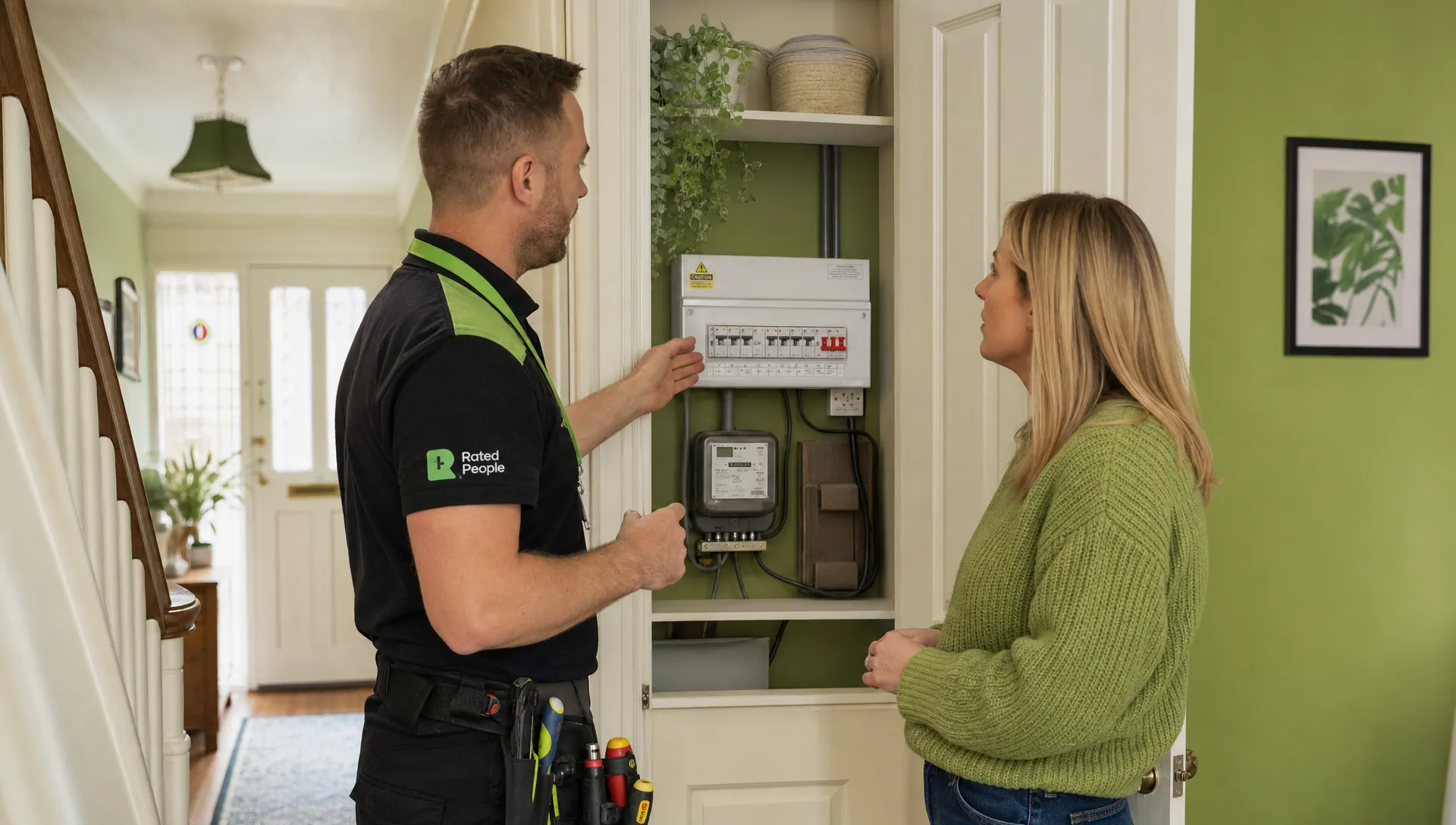
If water has reached electrics, you may need an electrician as well as the trade fixing the leak. HaMuch lets you compare local electrician rates before you book someone, which is useful if you need a safety check after the immediate issue is under control.

What a sagging ceiling usually means

A ceiling bulging in one spot is most often caused by weight. That weight could be trapped water, damp plaster, failed fixings or a section of plasterboard that has lost its strength.

A wet bulge often has a yellow or brown stain, a soft patch, bubbling paint or active dripping. A dry sag may look like a smooth dip, loose lining paper, cracked plaster or a section that flexes when nearby floorboards are walked on upstairs.

The cause matters because the person who repairs the ceiling is not always the same person who fixes the underlying problem. For example, a plumber may stop the leak, then a plasterer repairs the damaged ceiling once it has dried.

Quick guide: likely causes and who to call

What you can see Likely cause Trade to call first
Wet stain, drip or growing bulge below a bathroom, toilet or airing cupboard Leaking pipe, waste pipe, bath seal, shower tray, toilet cistern or heating pipe Plumber, or heating engineer if it is part of the central heating system
Brown patch after heavy rain, often near an outside wall, chimney breast or loft area Roof leak, blocked gutter, flashing issue or rainwater getting in Builder who handles roof repairs, or a roofer if roof access is needed
Dry sag with cracks but no fresh staining Failed plasterboard, old lath and plaster, poor previous repair or old water damage Plasterer, sometimes a builder
Sagging ceiling with cracks in walls, sloping floor above or doors suddenly sticking Possible joist movement, rot, overloading or structural movement Builder, and possibly a structural engineer
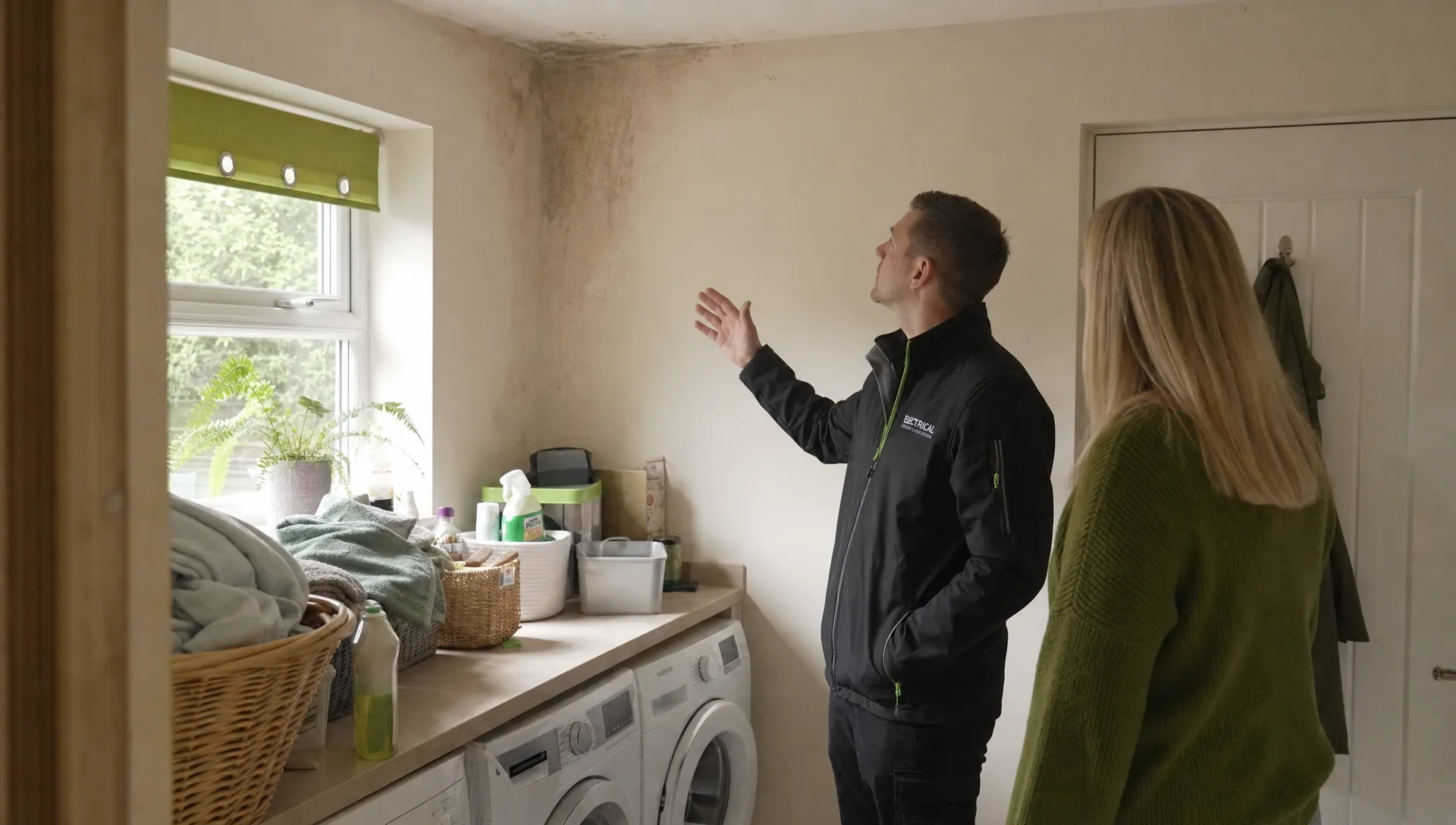
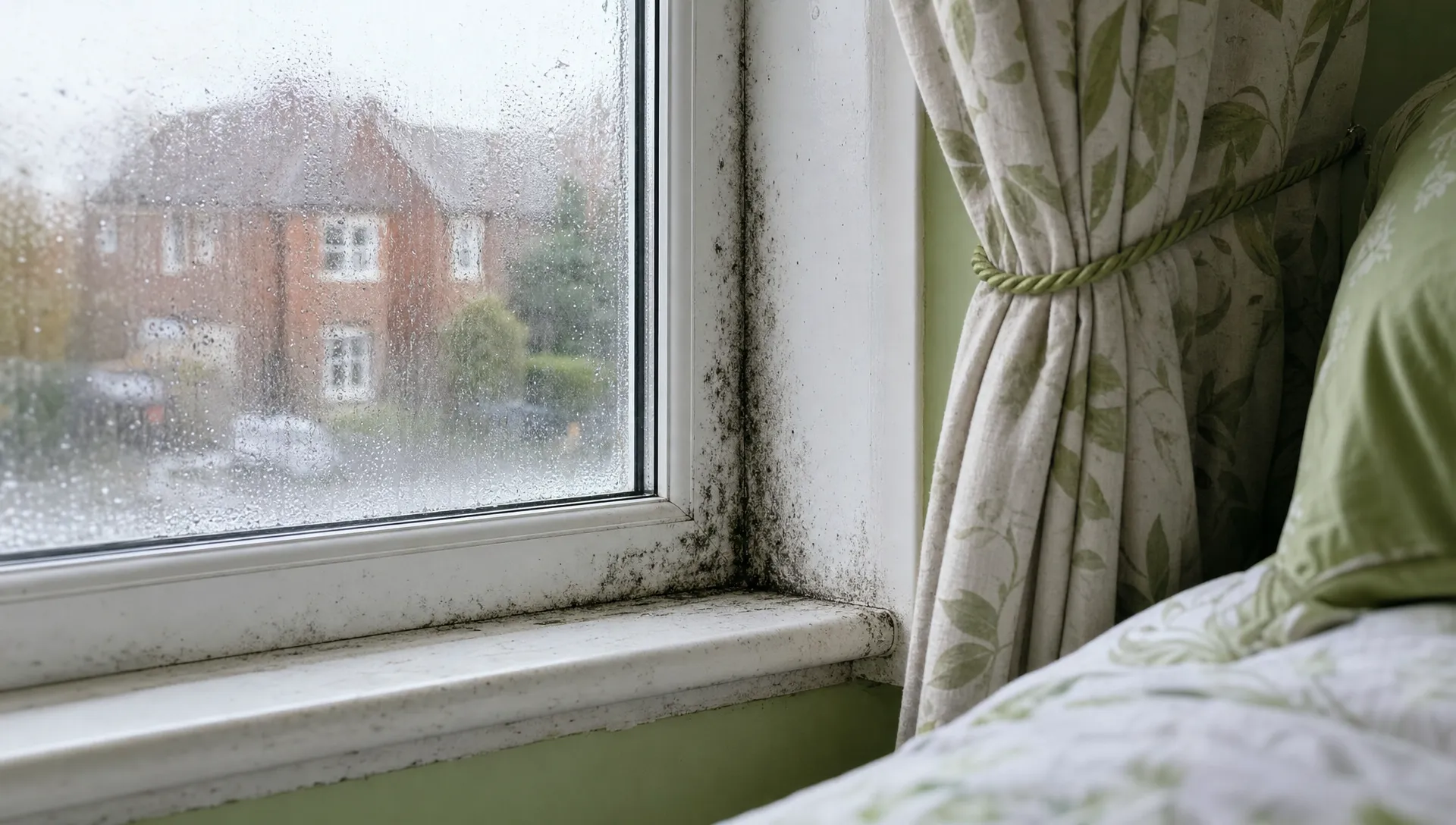
Repeated damp, mould and soft ceiling near a cold corner or poorly ventilated room Condensation, poor ventilation or hidden damp Ventilation and AC engineer, plasterer or builder depending on the cause

If the bulge is wet or dripping

A wet bulge is usually the most urgent version of this problem. The ceiling material can become heavy very quickly, especially if water is still entering from above. In a two-storey home, the most common sources are bathrooms, shower rooms, toilets, radiators and pipework under floorboards.

If the bulge is below a bathroom, a plumber is normally the first trade to call. They can trace leaks from bath wastes, shower traps, toilet cisterns, flexible hoses and concealed pipework. If you are trying to choose someone quickly, HaMuch has a practical guide on how to find a reliable plumber, including what to check before you agree to work.

You can also compare local plumber rates on HaMuch. This is especially useful in London, Birmingham and Manchester, where call-out availability and hourly rates can vary widely by area and urgency.

If the water appears after heavy rain, the cause may be above the ceiling rather than inside the plumbing system. A roof leak, damaged flashing, blocked valley gutter or overflowing guttering can all show as a single stained or bulging patch indoors. A builder who deals with roof repairs can often inspect the internal damage and advise whether a roof specialist is needed.

If the bulge is dry and not changing

A dry sagging ceiling may be less urgent than an active leak, but it still needs checking. Old plaster can detach from timber laths, plasterboard fixings can fail and previous leak damage can leave a weak area even after the ceiling has dried.

A plasterer is usually the right trade if the issue is limited to the ceiling finish, skim coat or plasterboard. They can cut out damaged sections, reboard where needed and skim the repaired area. You can compare local plasterer rates before requesting quotes, rather than relying on vague estimates.

Be careful with older textured ceilings. In UK homes built before 2000, some textured coatings and older building materials may contain asbestos. The Health and Safety Executive advises that asbestos can be present in buildings built or refurbished before 2000. Do not sand, scrape or drill a suspicious textured ceiling until a competent person has advised you.

When it could be structural

Most one-spot ceiling bulges are caused by water or plaster failure, but structural issues are possible. This is more likely if the ceiling sag is accompanied by fresh cracks, a noticeable dip in the floor above, doors that have started sticking, or movement after building work such as removing a wall.

A builder is the right starting point when there may be a problem with joists, rot, movement or unsupported loads. For more serious movement, they may recommend a structural engineer before repair work starts. You can check builder rates on HaMuch to understand typical local pricing before arranging visits.

If a structural beam is ever discussed as part of the solution, HaMuch also has an RSJ cost guide that explains the factors that affect this type of work. Not every sagging ceiling needs anything close to that level of repair, but it is useful background if a builder raises the subject.

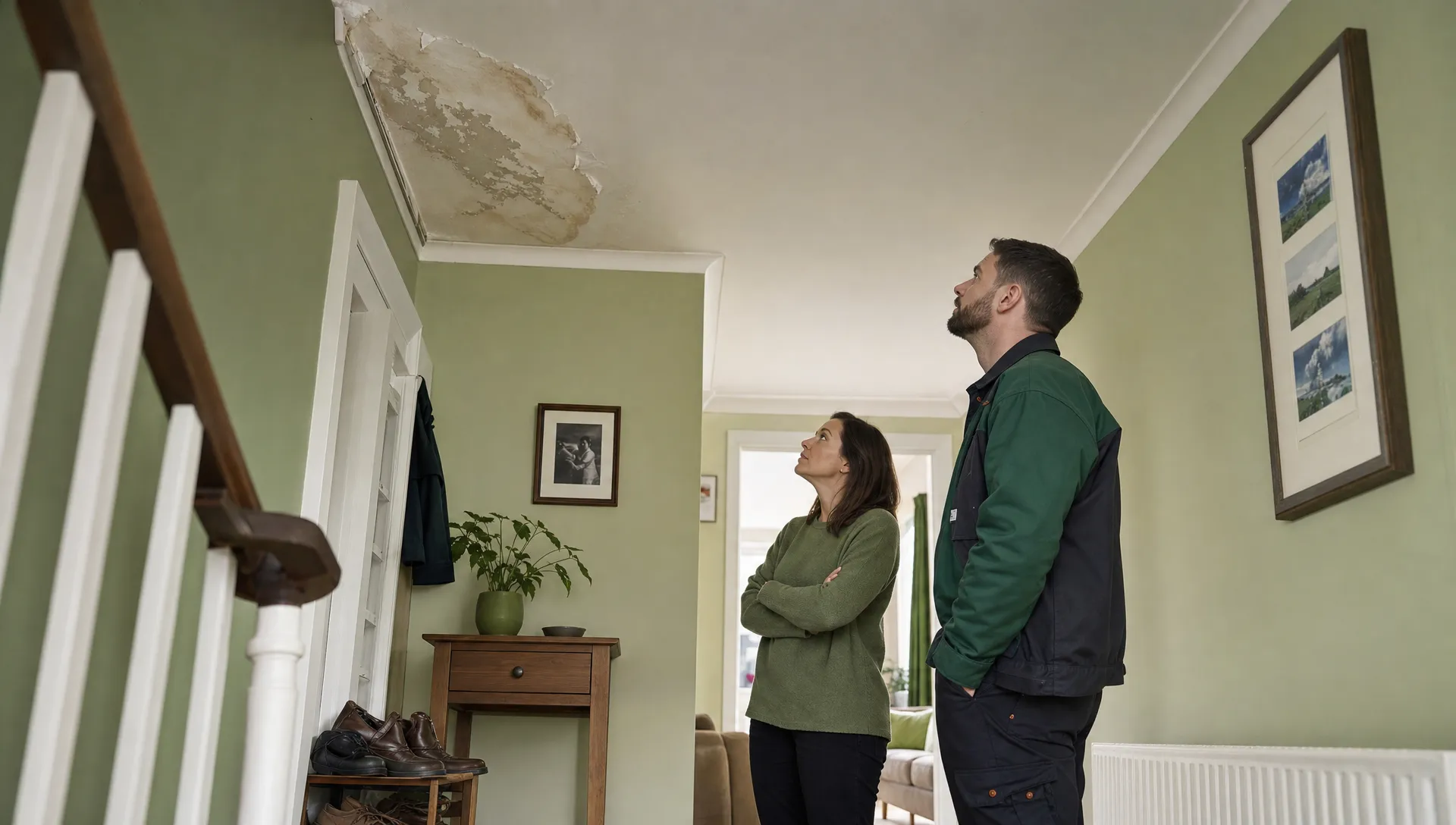
A British living room with a bulging plasterboard ceiling, faint water stain and a bucket nearby while furniture has been moved back.

Will the ceiling need replacing?

Not always. A small dry crack or loose patch may only need local repair. A wet plasterboard ceiling, however, often needs the damaged section cut out and replaced once the leak has been fixed and the area has dried.

The repair usually follows this order:

Stage What happens Typical trade
Stop the source Leak, rainwater entry or damp cause is traced and fixed Plumber, heating engineer, builder or roofer
Make electrics safe if affected Light fittings, switches or circuits are checked after water exposure Electrician
Dry the area Damp materials are allowed to dry so damage can be assessed properly Homeowner, landlord or drying specialist for larger leaks
Repair the ceiling Damaged board or plaster is removed, replaced, skimmed and made ready for decorating Plasterer or builder
Redecorate Stain blocking, painting and finishing are completed after drying Painter and decorator

Trying to paint over a stained or bulging ceiling before the cause is fixed usually wastes time. The stain can come through again and a damp ceiling may continue to weaken behind the surface.

What landlords and property managers should do

For rental properties, a ceiling bulge should be treated as a repair that needs prompt assessment, particularly if a tenant reports water, cracking or a growing patch. Ask for clear photos, check whether the area is below a bathroom, kitchen, roof space or flat above and tell the tenant not to stand under the affected section.

If there is active leaking, arrange the relevant trade as soon as possible and document the timeline. If electrics have been exposed to water, an electrician should confirm whether the affected fittings or circuits are safe before the tenant uses them again.

Using HaMuch can help landlords compare real trade rates by area before booking, which is helpful when managing properties across different locations such as Greater London, the West Midlands or Greater Manchester.

How to describe the job when asking for quotes

Clear information helps tradespeople decide whether the job is urgent and whether they are the right person to attend. When you request quotes, include the room affected, what is directly above it and whether the bulge is wet, stained, dripping or changing size.

Photos are helpful, but take them from a safe distance. Include one wider room photo and one closer photo of the affected area without standing directly underneath it. If there is a bathroom, loft, tank cupboard or radiator above, mention that too.

You do not need to diagnose the problem perfectly. A good job description might be: ceiling bulging in living room below upstairs bathroom, brown stain and occasional dripping, water turned off. That tells a plumber the issue may be urgent and helps a plasterer understand that ceiling repair may be needed after the leak is fixed.

Why comparing prices matters before booking

Ceiling problems often involve more than one trade, so it helps to know what local rates look like before you start agreeing to work. A plumber may attend first, then a plasterer, builder, electrician or decorator may be needed depending on the damage.

HaMuch is built around transparent pricing. Instead of hiding costs until after you have contacted someone, it shows comparable hourly and daily rates by trade and UK location, along with local listings and customer reviews. Homeowners can use it free, request quotes and compare before deciding whether to book.

That is particularly useful for urgent home repairs, because urgency can make it harder to judge whether a quote sounds fair. Seeing real local pricing helps you have a calmer, more informed conversation with the tradesperson.

Frequently asked questions

Is a sagging ceiling dangerous? It can be, especially if it is wet, growing, cracked or directly below a known leak. Move away from the area and get it checked quickly. A dry, stable sag may be less urgent, but it should still be inspected.

Should I pop a bulging ceiling to let the water out? No. Do not puncture or cut into a bulging ceiling yourself. Water may pour out suddenly, damaged plasterboard may collapse and there may be electrical fittings nearby.

Who should I call first for a ceiling bulging in one spot? If it is wet or below a bathroom, call a plumber first. If it appeared after rain, call a builder or roofer. If it is dry and looks like failed plaster, call a plasterer. If there are wider cracks or floor movement, call a builder and possibly a structural engineer.

Can I claim on home insurance for a sagging ceiling? You may be able to claim if the damage is from a sudden escape of water or storm damage, but policies vary. Take photos, keep invoices and speak to your insurer before removing large areas if the situation is safe enough to wait.

Does the whole ceiling need to come down? Not always. Localised damage can often be cut out and repaired. A larger replacement may be needed if plasterboard is saturated, fixings have failed across a wide area or older plaster is coming away from the structure.

Need someone to check a sagging or bulging ceiling?

If the ceiling is actively dripping, bulging further or near electrics, treat it as urgent: move everyone away from the area, turn off water or power only if safe and request help straight away.

You can post your ceiling repair job on HaMuch to compare local tradespeople, check transparent pricing and request quotes with no obligation to book. Describe what you can see, upload photos if you can do so safely and choose the right trade for the problem in your home.

Water Pouring Through the Ceiling: What to Do First

Water Pouring Through the Ceiling: What to Do First

If water is pouring through the ceiling, your first job is not to find the perfect fix. It is to make the area safe, stop the water if you can and call the right tradesperson quickly. A leak like this

If water is pouring through the ceiling, your first job is not to find the perfect fix. It is to make the area safe, stop the water if you can and call the right tradesperson quickly.

A leak like this is stressful, especially if it is coming through a light fitting or spreading across plasterboard. Stay calm and work through the steps below in order. Most ceiling leaks are handled first by a plumber, but the right trade can change depending on whether the source is a pipe, bathroom fitting, roof, heating system or electrics affected by water.

If you have searched for a water leak through ceiling emergency because it is happening right now, start here.

What to do in the first few minutes

Move people, pets and valuables away from the affected area. If the ceiling is bulging, bowing, cracking or making creaking sounds, do not stand under it. Wet plasterboard can become heavy and may give way with little warning.

Put a bucket, bowl or towels under the drip only if it is safe to do so. If water is coming through quickly, use more than one container and check them often. Do not climb on furniture or ladders under a wet ceiling.

Next, try to stop the water at the source. If you know the leak is from an upstairs bathroom, toilet, sink, washing machine or pipe, turn off the water supply. In many UK homes, the main stopcock is under the kitchen sink, in a downstairs cupboard, near the front door or in a utility area. Turn it clockwise to shut the water off. If there is a small isolation valve near the leaking appliance or toilet, you may be able to turn that off instead.

If you live in a flat and the water seems to be coming from the property above, contact the neighbour, landlord, managing agent or building concierge immediately. You may still need to protect your own electrics and ceiling, but the leak may need stopping from another property.

If water is near electrics, treat it as unsafe

Water coming through or near a light fitting, switch, socket or fuse box is a safety risk. Do not touch wet switches, do not use the ceiling light and do not stand in water while handling anything electrical.

If your fuse box is dry, easy to reach and away from the leak, switch off the affected circuit or the whole supply. If the fuse box is wet, in the leaking area or you would need to walk through water to reach it, stay away and call an electrician urgently.

Electrical Safety First advises that electrical items affected by water should not be used until checked by a competent person. Even after the leak has stopped, a light fitting or socket that has been wet may need inspecting before it is safe to use again.

If there is any smell of gas near a boiler, airing cupboard or gas appliance, do not try to investigate. Call the National Gas Emergency Service on 0800 111 999 and use a Gas Safe registered engineer for any gas-related work.

Who should you call first?

For most active ceiling leaks, the first call is an emergency plumber. A plumber can isolate the leak, repair burst or failed pipework, deal with leaking toilets, find bathroom leaks and advise whether further trades are needed.

Because call-out rates can vary by area and by time of day, it is worth checking local pricing before you agree to non-urgent follow-up work. HaMuch shows real, comparable rates rather than vague estimates, including plumber rates in London, Birmingham plumber rates and Manchester plumber rates.

If water has reached lighting, sockets or wiring, you may also need an electrician once the leak is controlled. You can compare current electrician rates on HaMuch before booking inspection or repair work.

If the leak is related to the roof, guttering, chimney area or building fabric, a roofer or builder may be needed. HaMuch does not ask you to guess blindly: you can compare builder rates and local reviews if the problem turns out to be roof or structural rather than plumbing.

Common causes of water pouring through a ceiling

A ceiling leak can look the same from below even when the source is completely different. The room above, the weather and when the water appears are the best clues.

What you notice Likely cause Trade to call
Water appears below a bathroom after a shower or bath Failed bath seal, shower leak, waste pipe leak or cracked grout around tiles Plumber first, then possibly a tiler
Water appears below a toilet or basin Leaking toilet connector, cistern, basin trap, tap or pipework Plumber
Water appears near a radiator, boiler area or airing cupboard Central heating pipe, radiator valve or heating system leak Plumber or heating engineer
Water appears only during or after heavy rain Roof, gutter, flashing, chimney or flat roof issue Roofer or builder
Water comes from a ceiling in a flat Neighbouring flat, communal pipework or roof space Managing agent, landlord and plumber
Dripping has stopped but staining keeps spreading Soaked plasterboard, insulation or hidden damp from an earlier leak Plumber, builder or plasterer depending on source and damage

A bathroom above the leak is the most common clue in many homes. Bath seals, shower trays, loose wastes and leaking toilet fittings can release a surprising amount of water into the floor void before it appears downstairs. If the water starts after someone showers, flushes the toilet or empties a bath, tell the plumber exactly that.

If the ceiling leak happens during heavy rain, particularly on a top floor, around a bay window, near a chimney breast or beneath a flat roof, the source may not be plumbing at all. In that case, the immediate job is to limit internal damage, then arrange for a roofer or builder to check the outside of the property when safe.

A UK living room has a damp ceiling stain with water dripping into a bucket while towels and furniture sit moved back from the leak.

Should you make a hole in a bulging ceiling?

A bulging ceiling means water is collecting above the plasterboard. Some tradespeople may create a controlled drain point to release water, but this can be dangerous if you do not know what is above the ceiling or whether electrics are nearby.

For a homeowner, the safer advice is simple: do not stand underneath it and do not poke the ceiling yourself if there is any risk of collapse or water near electrics. Clear the room if you can, keep the door closed to stop pets or children going in and wait for an emergency plumber or suitable tradesperson.

If the bulge is small and a tradesperson advises you over the phone to place buckets or move furniture, follow their guidance carefully. But do not turn a ceiling leak into a ceiling collapse by prodding, cutting or pulling at wet plasterboard.

What to tell the tradesperson when you call

The clearer you are, the faster a plumber or electrician can decide what tools, parts and access they may need. This also helps you get more accurate quotes when the immediate emergency is under control.

Have these details ready if you can:

  • Whether water is still pouring, dripping slowly or has stopped
  • Which room is above the leak, such as a bathroom, kitchen, loft or flat above
  • Whether water is near lights, sockets or the fuse box
  • Whether you have turned off the stopcock or local water valve
  • Whether the leak happens after showering, flushing, heating coming on or heavy rain
  • Photos or a short video of the leak, taken from a safe distance
  • Your property type, access details and parking information

Do not worry if you cannot answer everything. A good tradesperson will talk you through what matters first. If the leak is contained and you are no longer in emergency mode, HaMuch also has a practical checklist for finding a reliable plumber before you book further repairs.

What happens after the leak is stopped?

Stopping the leak is only the first stage. Water can sit above the ceiling, soak insulation, damage plasterboard and stain paint. If the plasterboard has sagged, cracked or gone soft, it may need cutting out and replacing rather than simply painting over.

Give the area time to dry properly before cosmetic work. Opening windows, using heating carefully and running a dehumidifier can help, but do not use electrical equipment in a wet area unless the electrics have been checked and it is safe to do so.

The follow-up trades usually depend on the damage:

  • A plumber repairs the leaking pipe, toilet, bath waste, tap, shower or appliance connection.
  • A heating engineer handles leaks connected to boilers, heating controls or sealed heating systems.
  • An electrician checks lights, sockets or wiring that may have been wet.
  • A plasterer repairs or replaces damaged ceiling plasterboard.
  • A painter and decorator finishes the area once it is fully dry and stain-blocked.
  • A builder or roofer deals with roof, gutter, chimney or structural water entry.

If you are claiming on insurance, take photos before moving too much, keep invoices and contact your insurer early for guidance. Many policies have specific rules about emergency repairs, trace and access work, excesses and approved contractors, so check your own cover rather than assuming everything is included.

What if you are a landlord or tenant?

For tenants, report the leak to your landlord or letting agent as soon as possible and keep a written record. If there is water near electrics, say so clearly. You should still take reasonable steps to limit damage, such as moving belongings away and not using affected lights, but emergency repair arrangements are normally handled by the landlord or managing agent.

For landlords, speed matters. A small delay can turn a plumbing repair into ceiling replacement, electrical checks and redecoration. Ask the tenant for photos, confirm whether the stopcock has been turned off and arrange the right trade based on whether the leak is plumbing, roof-related or from another property.

HaMuch is useful here because you can compare local tradespeople, rates and genuine customer reviews before booking. That helps landlords and property managers choose quickly without relying on guesswork.

Frequently Asked Questions

Is water pouring through the ceiling an emergency? Yes. Active water pouring through a ceiling should be treated as urgent, especially if the ceiling is sagging or water is near lights, sockets or the fuse box. Make the area safe, turn off the water if you can and call an emergency plumber.

Should I turn off the electricity? If water is near electrics and your fuse box is dry and safe to reach, turn off the affected circuit or the whole supply. If the fuse box is wet or you would need to enter the leaking area to reach it, do not touch it. Keep away and call an electrician.

Do I need a plumber or a roofer? If the leak is below a bathroom, kitchen, toilet, radiator or pipework, call a plumber first. If it only happens during heavy rain or is on the top floor with no plumbing above, the source may be roof-related and a roofer or builder may be needed.

Can I paint over the stain once it dries? Not straight away. The source of the leak must be fixed first and the ceiling needs to dry fully. If the plasterboard is soft, cracked or sagging, it may need repair before decorating.

Will my home insurance cover a ceiling leak? It depends on your policy and the cause. Many home insurance policies include some cover for escape of water, but limits, excesses and trace and access cover vary. Take photos, keep receipts and contact your insurer early.

Need help with an active ceiling leak?

If water is still coming through, make the area safe, turn off the water supply if you can and keep away from affected electrics. Then post your urgent leak job on HaMuch so local tradespeople can respond.

HaMuch helps you compare real local rates, customer reviews and available tradespeople before you decide who to book. For an active leak, speed matters, but you should still be able to see clear pricing and choose with confidence.

Cracks Appearing Above a Door Frame

Cracks Appearing Above a Door Frame

Spotting cracks above a door frame can be unsettling, especially if they seem to have appeared overnight. The good news is that many cracks in this area are minor plaster movement, not a serious struc

Spotting cracks above a door frame can be unsettling, especially if they seem to have appeared overnight. The good news is that many cracks in this area are minor plaster movement, not a serious structural problem. But because doorways are weak points in a wall, some cracks do need a closer look.

This guide explains the most common causes of cracks above door frames, what warning signs to check for, and which trade to call. If you decide to get the crack inspected or repaired, HaMuch helps you compare local tradespeople with transparent, comparable pricing, so you are not guessing before you ask for quotes.

First, check what type of crack you have

Before you start worrying about major movement, take a calm look at the crack and the area around it. A thin hairline crack in the plaster is very different from a wide, jagged crack that runs through the wall and keeps growing.

Look for these clues:

  • Width: Is it a hairline crack, or can you fit the edge of a coin into it?
  • Direction: Does it run straight up, diagonally from the corner of the door, or across the wall?
  • Change over time: Has it stayed the same, or is it getting longer or wider?
  • Door movement: Has the door started sticking, rubbing, or not closing properly?
  • Other signs: Are there cracks outside, damp patches, sagging plaster, or gaps around skirting boards and architraves?

If the crack is thin, dry and stable, it is often a plastering or decorating issue. If the crack is widening, the door is sticking, or there are matching cracks on nearby walls or outside brickwork, a builder or structural professional may need to inspect it.

Why cracks often appear above door frames

Door openings naturally create a break in a wall. That means stress is more likely to show around the corners of the opening, especially above the frame. This is why cracks above door frames are common in older houses, newly plastered rooms, extensions and properties that have had layout changes.

The key is not just where the crack is, but what else is happening around it.

1. Normal plaster shrinkage or settlement

Small cracks above a door frame are often caused by normal drying, shrinkage or minor settlement. This is especially common after recent plastering, decorating, refurbishment, or building work.

You might notice:

  • A thin, straight or slightly diagonal hairline crack
  • No damp staining
  • No sticking door
  • No matching crack on the other side of the wall
  • No sign that the crack is widening

This type of crack is usually dealt with by a plasterer or painter and decorator. A plasterer can rake out and refill the crack properly if the surface has failed, while a decorator may be enough if it is only a fine surface crack before repainting.

The important point is to wait until you are confident the crack has stopped moving. Filling it too soon can mean it reappears quickly.

2. Movement around the doorway opening

A doorway is one of the weaker points in a wall because material has been removed to create the opening. Over time, tiny movements can show at the top corners of the frame. This does not automatically mean the wall is unsafe, but it is worth monitoring.

This can happen in older homes where the building has settled over decades, or in busy areas of the home where doors are opened, closed and sometimes slammed every day. You may also see fine cracks where the architrave meets the wall or where old filler has failed.

A plasterer can usually repair the finish if the wall itself is stable. If the crack is repeatedly coming back after repair, or if the door lining looks out of square, it may be better to ask a builder to inspect the opening first.

3. Door frame or timber movement

Sometimes the problem is not the wall itself, but the timber door frame, lining or architrave moving slightly. Timber expands and contracts with changes in temperature and moisture. New doors, newly fitted frames, or older timber that has dried out can all create small gaps and cracks where the plaster meets the frame.

Common signs include a crack tight against the door frame, a gap between the architrave and wall, or a door that rubs in one season but not another. If the frame is loose, twisted or poorly fitted, a carpenter and joiner is usually the right person to call. Once the timber issue is sorted, a plasterer or decorator can make good the surrounding finish.

If the door is suddenly badly sticking and the wall above it is cracking, treat that as a bigger warning sign and speak to a builder rather than assuming it is only joinery movement.

4. Lintel or support movement above the doorway

Most door openings need some form of support above them. This may be a lintel, timber support, steel beam, or another structural arrangement depending on the age and construction of the property. If that support is missing, undersized, damaged or disturbed by previous building work, cracks can appear above the frame.

Signs that the issue could be structural include:

  • A diagonal crack starting from the top corner of the frame
  • Cracks on both sides of the same doorway
  • A crack that keeps widening
  • The wall or plaster above the door looking bowed or uneven
  • A door that has started jamming at the top
  • Cracking near a wall that has been removed or altered

A builder is usually the first trade to contact for this kind of issue. They can assess whether the opening needs repair, reinforcement, or further investigation by a structural engineer. If the problem relates to a steel beam or a widened opening, HaMuch's guide to RSJ installation costs is a useful next step for understanding what may be involved.

For structural alterations, Building Regulations may apply. The UK Planning Portal guidance on internal walls and Building Regulations explains why load bearing walls and supports need proper care.

5. General house movement or subsidence

Most cracks above door frames are not subsidence. However, wider or spreading cracks can sometimes point to wider movement in the property, especially if they appear alongside other signs.

Take extra care if you notice cracks running through external brickwork, gaps opening around windows, sloping floors, or several doors and windows sticking at once. In that situation, a builder may still be your first practical contact, but you may also need advice from a structural engineer or building surveyor.

If you are a landlord, do not ignore repeated or worsening cracks in a rental property. Record the issue, take dated photos, and get it assessed promptly, especially if tenants report doors sticking or plaster falling away.

6. Damp, leaks or blown plaster

A crack above a door frame can also be linked to moisture. This is more likely if the plaster looks stained, soft, bubbling, powdery or darker than the surrounding wall. The cause might be a leak from above, a bathroom issue, roof defect, guttering problem, or condensation affecting the plaster.

If there is active water or damp staining, fix the moisture source before repairing the crack. A plumber is usually the right trade if the water is coming from pipework, a bathroom, or a heating system. A builder or roofing specialist may be needed if the water is coming through the roof, wall, guttering or external fabric.

Once the area has dried properly, a plasterer can repair the damaged surface. If you only fill and paint over damp plaster, the crack or stain is likely to return.

Quick guide: what the crack may mean and who to call

What you can see Most likely cause Who to call first
Thin hairline crack, no movement, no damp Plaster shrinkage or minor settlement Plasterer or painter and decorator
Crack tight against the frame or architrave Timber frame movement or poor fit Carpenter and joiner, then plasterer if needed
Diagonal crack from the top corner of the door Movement around opening or possible lintel issue Builder
Crack is getting wider or door is sticking Possible structural movement Builder, possibly structural engineer
Damp stain, bubbling paint or soft plaster Leak or moisture damage Plumber, builder, then plasterer
Cracks inside and outside in the same area Wider building movement Builder or structural engineer

A UK hallway shows a diagonal plaster crack above an internal door frame, with coats, skirting boards and natural daylight nearby.

How to tell whether the crack is getting worse

If the crack does not look urgent, monitor it before spending money on a repair. This is especially helpful for landlords and homeowners who need to explain the issue clearly when requesting quotes.

Take a photo from the same position every week or two. Place a ruler or coin nearby for scale, but do not damage the wall. You can also make a tiny pencil mark at each end of the crack with the date, as long as the wall finish allows it.

Check whether the door still opens and closes normally. If it begins to rub, latch poorly, or stick at the top, that is useful information for a tradesperson. Also look at the other side of the wall and the outside of the property if the doorway is near an external wall.

If the crack changes quickly, plaster starts falling away, or the door becomes difficult to use, do not just fill it. Get it inspected.

Can you repair cracks above a door frame yourself?

You may be able to repair a very fine, stable surface crack yourself if you are confident there is no damp, no movement and no door problem. A basic cosmetic repair usually involves opening the crack slightly, filling it with a suitable filler, sanding, priming and repainting.

However, DIY filler is not the right answer if the crack keeps returning. It also will not solve a loose frame, failed lintel, damp plaster, or movement in the wall. In those cases, filling the surface simply hides the clue rather than dealing with the cause.

For a neat finish, a plasterer or decorator will usually get a better result, particularly if the crack is in a visible hallway, living room or rental property. For suspected movement, start with a builder before paying for cosmetic repairs.

What affects the cost of fixing cracks above a door frame?

The cost depends on what is causing the crack, not just the crack itself. A small plaster repair is very different from investigating a possible support issue above an opening.

The main cost factors are the trade needed, the size of the affected area, whether the cause is still active, how easy the wall is to access, and how much making good is required afterwards. In London, Birmingham, Manchester and surrounding areas, labour rates can vary by location and demand, so it is sensible to compare current local rates before booking.

HaMuch publishes transparent trade pricing so you can check what local tradespeople charge rather than relying on vague estimates. For example, you can compare current builder rates if the crack may involve movement above the opening, or check plasterer rates if it looks like a surface repair.

If damp is involved, compare plumber rates before arranging leak investigation or repair. The final plastering and decorating should usually wait until the source of moisture has been fixed and the wall has dried.

What to tell a tradesperson when asking for a quote

A clear job description helps you get better quotes and avoids wasted callouts. You do not need to diagnose the problem yourself, but you should describe what you can see.

Useful details include:

  • Where the crack is and which room it is in
  • Whether it is above an internal or external doorway
  • How long it has been there
  • Whether it is getting longer or wider
  • Whether the door sticks or the frame has moved
  • Whether there is damp staining, bubbling paint or soft plaster
  • Whether any building work has been done nearby
  • Whether there are matching cracks outside or on the other side of the wall

Photos are especially helpful. Include one close enough to show the crack and one wider photo showing the whole doorway and surrounding wall. This helps a builder, plasterer or carpenter understand the context before quoting.

When should you act quickly?

You do not need to panic about every crack above a door frame. But you should arrange an inspection sooner rather than later if the crack is widening, the door is suddenly sticking, plaster is bulging or falling away, or there are cracks on both sides of the wall.

Act promptly if there is damp staining or active water, because moisture can damage plaster, timber and finishes. If you are dealing with a rental property, it is also better to address visible cracks early, before tenants become concerned or the damage spreads.

If you are unsure whether the issue is cosmetic or structural, choose a builder for the first visit. They can tell you whether a plasterer, carpenter, plumber, or structural engineer is needed next.

Frequently asked questions

Are cracks above door frames serious? Not always. Many are minor plaster cracks caused by shrinkage, settlement or movement around the frame. They become more concerning if they widen, run diagonally, appear with sticking doors, or match cracks elsewhere in the property.

Why do cracks start at the corner of a door frame? Corners of openings are stress points in a wall. Small movements often show there first, which is why cracks commonly appear from the top corner of a door or window.

Should I call a builder or plasterer for cracks above a door frame? Call a plasterer if the crack is fine, stable and cosmetic. Call a builder if it is widening, diagonal, linked to a sticking door, or could involve the support above the opening.

Can a sticking door be linked to wall cracks? Yes. A sticking door can mean the frame has moved, the timber has swollen, or the wall around the opening has shifted. If the sticking appears at the same time as new cracking, get it checked.

Should I repair the crack before selling or renting out a property? It is usually better to understand the cause first. A neat cosmetic repair is fine for a stable plaster crack, but repeated or widening cracks should be inspected and properly fixed before decorating.

Compare local tradespeople before you book

If you have cracks above a door frame and are not sure who to call, post the job on HaMuch. Describe the crack, add photos, and compare local builders, plasterers, carpenters or plumbers depending on the likely cause.

HaMuch is free for homeowners to use and there is no obligation to book. You can compare real local pricing, check customer reviews, and choose the right tradesperson with more confidence before the work starts.

Plug Sockets Making a Buzzing Sound

Plug Sockets Making a Buzzing Sound

Most plug sockets should be silent in normal use. A very faint hum can sometimes come from a plugin charger or appliance, but a buzzing sound from the wall socket itself is different. If you have a bu

Most plug sockets should be silent in normal use. A very faint hum can sometimes come from a plug-in charger or appliance, but a buzzing sound from the wall socket itself is different. If you have a buzzing plug socket, the safest approach is simple: stop using that socket and get it checked by an electrician.

This is not something you need to panic about, but it is something to take seriously. Buzzing can point to a loose connection, a worn socket, an overloaded adaptor, a faulty appliance, damp nearby, or a wider circuit issue. Some causes are minor once repaired, but you cannot safely confirm that by taking the socket apart yourself.

In almost every case, the right trade to call first is an electrician. If water or damp is involved, another trade may be needed later, such as a plumber or builder, but an electrician should make the electrics safe before anyone else works near the area.

What to do now if a plug socket is buzzing

If the socket is buzzing now, start by reducing the immediate risk. Do not remove the faceplate, push the plug in harder, tape over the socket, or keep using it to see if the noise goes away.

If it is safe to do so:

  • Stop using the socket straight away.
  • Switch the socket off and unplug appliances by holding the plug, not the cable.
  • Do not touch the socket if it is hot, scorched, wet, sparking, or smells of burning.
  • Keep children, tenants, pets and furniture away from the socket.
  • If you know which switch controls the circuit and can reach your consumer unit safely, switch that circuit off.
  • Call an electrician, especially if the buzzing continues with nothing plugged in.

If you see flames, smoke building up, or cannot safely get near the electrics, leave the area and call 999. If there is no fire but the socket smells of burning, feels warm, crackles, or buzzes when nothing is plugged in, treat it as urgent and arrange an electrician as soon as possible.

For a one-off faint noise that stops when a particular charger or appliance is removed, the appliance may be the source. Even then, do not keep using the suspect charger or appliance until you are confident it is safe.

What a buzzing plug socket can mean

A buzzing plug socket usually means something is vibrating, arcing, overloaded, loose, worn, or affected by another fault nearby. You do not need to identify the exact cause before calling someone, but understanding the possibilities helps you explain the problem clearly and call the right trade.

Possible cause What you might notice Who usually handles it
Faulty charger or appliance Buzzing only happens when one item is plugged in Appliance repairer or electrician if unsure
Overloaded adaptor or extension lead Several plugs, adaptors, or high-power appliances in one socket Electrician if there is any socket noise, heat, or damage
Worn or damaged socket Plug feels loose, socket faceplate is cracked, buzzing changes when used Electrician
Loose connection behind the socket Buzzing from the wall, sometimes with flickering or intermittent power Electrician
Damp or water near the socket Buzzing after a leak, condensation, damp wall, or water stain Electrician first, then plumber, builder, roofer, or damp specialist if needed
Wider circuit issue Several sockets affected, tripping at the consumer unit, lights flickering Electrician

The UK charity Electrical Safety First warns against overloading sockets, particularly where adaptors and extension leads are used for too many appliances. Overloading is not the only possible cause of buzzing, but it is one of the easier hazards to avoid.

The most common causes, explained in plain English

A plug, charger, or appliance is making the noise

Sometimes the socket is blamed when the noise is actually coming from a charger, power supply, lamp, TV, computer equipment, or another appliance. This can be more noticeable in quiet rooms, at night, or when the item is under load.

If the buzzing stops as soon as the item is unplugged, stop using that item. Do not move it around the house testing every socket. A faulty appliance can still be unsafe even if the wall socket is fine.

If you are unsure whether the noise is coming from the plug or the wall, describe it to an electrician. It is better to pay for a professional check than to ignore a fault in a socket that is used every day.

The socket is overloaded

A double socket is not a licence to run several high-power items through adaptors. Kettles, heaters, tumble dryers, microwaves and similar appliances can draw a lot of power. If a socket buzzes when multiple items are connected, unplug them and stop using that arrangement.

An electrician can check whether the socket and circuit are safe, and advise whether extra sockets are needed. If you do need an additional socket rather than relying on adaptors, HaMuch has a useful guide to the cost to install a new electrical socket, including factors that can affect the job.

The socket is worn, loose, or damaged

Plug sockets wear over time. A plug that no longer fits firmly, a cracked faceplate, discolouration, buzzing when a plug is inserted, or a switch that feels loose can all point to a damaged accessory.

This is normally an electrician's job. Replacing a socket faceplate may sound simple, but the electrician still needs to isolate the circuit, check the connections and test that the socket is safe before it is put back into use.

There may be a loose connection behind the socket

A buzzing sound from inside or behind the socket can be caused by a poor connection. This is one of the main reasons not to ignore the issue. Loose connections can generate heat and may get worse over time.

Do not take the socket off the wall to look. Even if the socket switch is off, parts of the electrical circuit may still be live. An electrician has the tools and test equipment to isolate and inspect it safely.

Damp, condensation, or water may be involved

If the buzzing started after a leak, heavy rain, damp patch, window condensation, or water spill, treat the socket as unsafe until checked. Water and electrics are a dangerous combination.

The electrician should be the first call because they can make the socket and circuit safe. After that, the source of the moisture may need another trade. A plumber may be needed for a pipe leak, a roofer for water entering from above, a builder for structural defects, or a ventilation specialist if condensation is a repeated problem.

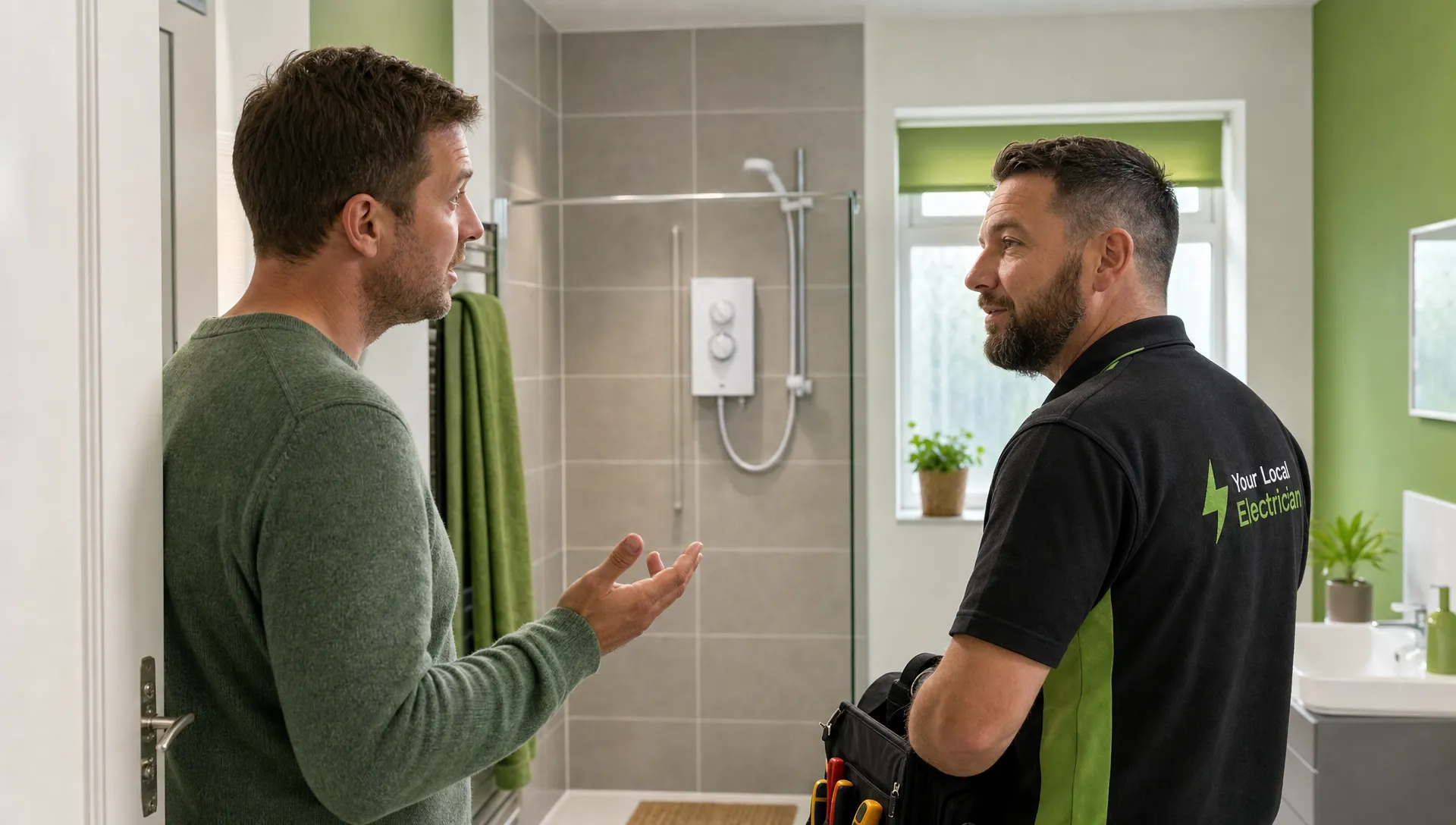
A UK electrician with a tool bag speaking calmly to a homeowner in a lived-in hallway, both looking toward a wall socket area from a safe distance, with natural daylight and ordinary household clutter.

How urgent is a buzzing socket?

Some electrical problems can wait for a booked appointment. A buzzing socket is not always a fire starting right now, but it should not be treated as normal household background noise either.

Arrange a same-day or urgent electrician if any of the following apply:

  • The socket is buzzing when nothing is plugged in.
  • The socket, plug, or surrounding wall feels warm.
  • You can smell burning, melting plastic, or a fishy electrical smell.
  • There are scorch marks, cracking, sparks, or flickering power.
  • The circuit keeps tripping at the consumer unit.
  • The socket is near damp, water, or a recent leak.
  • The socket is in a rental property, shared area, bedroom, child's room, or high-use kitchen area.

If none of those signs are present and the sound only happened once with one suspect appliance, you may not need an emergency call-out, but you should still avoid using the socket until the cause is clear.

What will an electrician do?

A good electrician will usually start by asking when the buzzing happens, what was plugged in, whether there is any heat or smell, and whether other sockets or lights are affected. If you can safely take a photo from a normal distance, that may help when requesting quotes, but do not get close to a hot, damaged, wet, or sparking socket.

On site, the electrician may isolate the circuit, inspect the socket and surrounding area, test the circuit, replace a damaged socket, or advise further investigation if the fault is not limited to one outlet. If there is damp, they may make the electrical part safe and recommend another trade to deal with the cause of the water.

You can compare local electrician rates on HaMuch before booking, which is especially useful in areas where prices can vary, such as London, Birmingham, Manchester and surrounding towns. HaMuch shows transparent, comparable pricing by trade and location, rather than leaving you to guess what a call-out might cost.

What affects the cost of fixing a buzzing socket?

The final cost depends on what the electrician finds. A straightforward socket replacement is usually simpler than tracing a fault across several rooms, testing damp-affected electrics, or attending out of hours.

Cost factor Why it matters
Urgency Evening, weekend, or same-day call-outs can cost more than booked visits
Fault location An accessible living room socket is usually easier to inspect than one behind fitted furniture
Cause of buzzing Replacing a damaged socket is different from tracing a circuit fault
Damp or water Electrics may need to be made safe before another trade repairs the source of moisture
Property location Labour rates vary by area, including larger cities and nearby commuter towns
Extra work needed Additional sockets, repairs, or testing can increase the total job size

This is where HaMuch is helpful for homeowners and landlords. Instead of relying on vague national averages, you can compare real electrician pricing and local tradespeople with customer reviews before deciding who to contact.

Landlords and property managers: do not delay tenant reports

If a tenant reports a buzzing plug socket, ask them to stop using it and arrange an electrician promptly. Do not ask the tenant to remove covers, test other appliances, or carry on using the socket until the next routine visit.

In England, private landlords have specific duties around electrical safety inspections and testing. The government's electrical safety guidance for landlords and tenants explains the legal requirements. Rules and responsibilities can differ across the UK, so landlords should follow the rules for the nation where the property is located and keep clear records of repairs.

A buzzing socket in a rental property is also a practical risk management issue. Even if the repair turns out to be small, a quick response helps protect tenants and avoids a minor electrical complaint becoming a bigger maintenance problem.

Frequently Asked Questions

Can I use a plug socket that is buzzing? No, it is safest to stop using it until it has been checked. If the buzzing is from the wall socket rather than a charger or appliance, call an electrician.

Is a buzzing plug socket an emergency? It can be. Treat it as urgent if the socket is warm, smells of burning, is scorched, sparks, buzzes with nothing plugged in, or is near water. If there is fire or smoke, call 999.

Why does the socket only buzz when something is plugged in? The appliance or charger might be faulty, the plug may not be fitting properly, the socket may be worn, or the socket may be overloaded. Stop using it and ask an electrician if you are unsure.

Can I fix a buzzing socket myself? No. Do not remove the socket cover or try to tighten anything inside. Electrical faults should be checked by a qualified electrician with the right test equipment.

Which trade should I call for a buzzing plug socket? Call an electrician first. If damp or a leak is part of the problem, a plumber, builder, roofer, or ventilation specialist may be needed after the electrics have been made safe.

Need an electrician to check a buzzing plug socket?

If your socket is buzzing now, stop using it and isolate the circuit if you can do so safely. If there is smoke, fire, or you cannot safely get near the area, call 999.

For urgent checks, repairs, or socket replacement, post your electrical job on HaMuch and compare local electricians, genuine customer reviews and transparent rates before you book. It is free for homeowners to request quotes, and there is no obligation to go ahead until you are happy with who you have chosen.

Damp Patch Appearing on a Bedroom Wall

Damp Patch Appearing on a Bedroom Wall

A damp patch on a bedroom wall can feel worrying, especially if it seems to appear overnight. The good news is that the cause is often fairly traceable once you know what to look for. It might be cond

A damp patch on a bedroom wall can feel worrying, especially if it seems to appear overnight. The good news is that the cause is often fairly traceable once you know what to look for. It might be condensation, rainwater getting in, a hidden plumbing leak, a problem around a window, or less commonly, damp rising from below in a ground-floor bedroom.

The important thing is not to cover it up too soon. Paint, stain blocker and fresh wallpaper may hide the mark for a while, but they will not fix the source of the moisture. A calm, methodical check will help you work out whether you need a plumber, builder, ventilation specialist, plasterer, decorator or electrician.

First, decide whether it is urgent

A damp patch is not always an emergency, but some signs need quicker action. If the patch is wet to the touch, spreading, dripping, bubbling plaster, or close to sockets or light switches, treat it as more urgent.

Move furniture, bedding and curtains away from the wall so air can circulate and to reduce the risk of mould spreading onto fabrics. If water is near electrical fittings, do not touch the fitting, do not plug anything in nearby, and call an electrician or the relevant emergency trade. If there is active water coming through, a plumber is usually the first call unless it is clearly rainwater from the roof or external wall.

For a damp patch that is dry, small and not growing, you can take a little time to observe the pattern. Mark the edge lightly with pencil, take photos, and check it again after rain, after using a shower or bath, and after the heating has been on. That timing often gives away the cause.

What a damp patch on a bedroom wall can mean

The position, shape and timing of the patch matter. A patch in the middle of an internal wall is a different clue from one under a window, on an outside wall, or near the ceiling.

What you can see Likely cause Trade most likely to help How quickly to act
Patch grows after rain Penetrating damp from roof, guttering, render, brickwork or window seals Builder, roofer or window specialist Promptly, especially if it is spreading
Patch appears on an internal wall Hidden pipe leak, radiator pipe leak, bathroom leak on the other side Plumber or heating engineer Quickly if wet or growing
Dark marks or mould on a cold outside wall Condensation, poor ventilation, cold bridging or furniture too close to the wall Ventilation and AC engineer, builder, decorator after treatment Soon, but usually not a same-day emergency
Damp below or around a window Failed sealant, cracked sill, blocked drainage channel, leaking frame or external pointing Builder, window fitter or decorator after repair Promptly after rain-related staining
Patch near ceiling line or chimney breast Roof leak, damaged flashing, gutter overflow, chimney damp or salts Builder, roofer, chimney specialist, plasterer after repair Promptly, especially after rain
Low-level damp on a ground-floor bedroom wall Rising damp, defective damp proof course, external ground level too high, plumbing leak under floor Damp specialist, builder or plumber Needs proper investigation

Condensation is common in bedrooms because people breathe out moisture overnight, windows are often closed, and wardrobes or beds can trap cold air against external walls. However, a single well-defined damp patch should not automatically be blamed on condensation. If it is localised, growing, or feels wet, look for a water source first.

Government guidance treats damp and mould as more than a cosmetic issue, particularly where people are vulnerable or exposure is prolonged. The UK government’s guidance on damp and mould health risks is aimed at rented homes, but the same practical message applies to owner-occupied homes too: find the source and deal with it properly.

Quick checks you can do before calling someone

You do not need trade knowledge to gather useful clues. A tradesperson will often diagnose the problem faster if you can explain when the patch appeared, whether it changes, and what is on the other side of the wall.

Check the room side first. Is the damp patch behind furniture, near a cold corner, or close to a window? Is there mould, flaking paint, wallpaper lifting, or a tide mark? Condensation often leaves black mould or speckled staining, while leaks may create a darker, more sharply edged patch with bubbling paint or soft plaster.

Then think about what is behind or above the wall. If there is an en-suite, bathroom, radiator, airing cupboard, water tank, or pipework nearby, a plumber or heating engineer may be the right first call. If the patch is on an external wall, under a window, or high up near the ceiling, rainwater may be getting in from outside.

It is also worth looking outside from ground level if you can do so safely. You are not trying to climb ladders or carry out repairs yourself. Just look for obvious clues such as overflowing gutters, missing roof tiles, cracked render, damaged brickwork, blocked air bricks, or a window sill that looks cracked or loose.

Which tradesperson should you call?

If the patch is wet, spreading, or on an internal wall near bathrooms, radiators or pipe routes, start with a plumber. A hidden leak can continue damaging plaster, timber and flooring even if the surface mark looks small. If you are choosing someone for the first time, HaMuch’s guide on how to find a reliable plumber gives a useful checklist of reviews, insurance, experience and pricing questions.

If the damp follows rain, especially on an outside wall, near a chimney, around a window or close to the ceiling, a builder or roofing contractor is usually more appropriate. They can investigate external defects such as failed pointing, blocked gutters, cracked render, slipped tiles, faulty flashing or gaps around frames. You can compare builder rates on HaMuch to get a clearer idea of local labour costs before you book.

If the patch comes with mould on cold walls, heavy window condensation, stale air or recurring damp behind furniture, ventilation may be part of the problem. A ventilation and AC engineer can advise on extract fans, airflow and moisture control, while a builder may be needed if cold bridging or insulation defects are involved.

If the damp has affected sockets, switches or light fittings, add an electrician to the list. Water and electricity are not worth guessing about. The electrician may not fix the damp source, but they can make the affected electrical area safe and advise whether fittings need replacing.

For homeowners and landlords in bigger cities, availability and labour rates can vary noticeably. If a plumbing leak looks likely, compare plumber rates in London, plumber rates in Birmingham or plumber rates in Manchester before agreeing to work. HaMuch shows real, comparable local pricing rather than leaving you to guess what a fair call-out or day rate should look like.

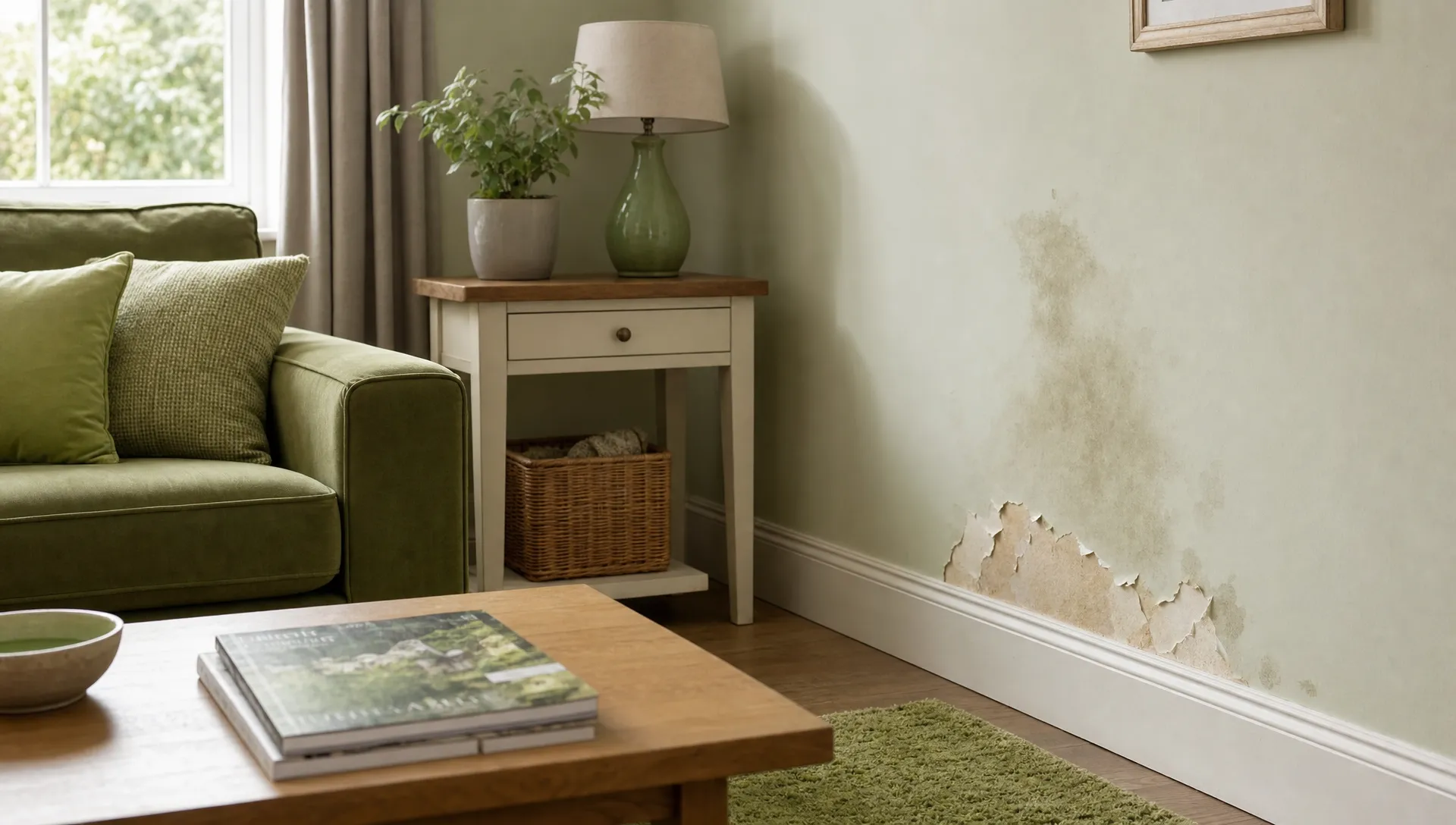
A British bedroom with a visible damp patch on the painted wall near the corner, furniture pulled slightly away from the wall, and natural daylight coming through a window.

What affects the cost of fixing a damp patch?

The cost depends on the cause, not just the size of the stain. A small patch from condensation may need changes to ventilation, heating habits and redecoration. A similar-looking patch from a hidden pipe leak may involve leak detection, pipe repair, drying time, plaster repair and redecorating.

The main cost factors are usually the trade needed, access, urgency, damage already caused, and how many visits are required. A plumber may be able to stop a straightforward leak in one visit, while rainwater ingress through brickwork or a roofline may need inspection, external repair, drying time and later internal making good.

Cost factor Why it matters
Source of moisture Condensation, plumbing leaks and rainwater ingress need different trades and materials
Access Pipes under floors, behind fitted wardrobes or inside walls take longer to reach
Urgency Same-day or out-of-hours visits usually cost more than booked-in work
Drying and repair time Plaster and timber may need time to dry before decorating
Location Labour rates differ between areas, especially in large cities and commuter towns
Making good Plastering, stain blocking and decorating may be separate from the original repair

This is where comparing quotes matters. A vague national average will not tell you much if your job needs a plumber in one area, a builder in another, or a ventilation specialist in a third. HaMuch is built around transparent, comparable pricing by trade and location, so you can check local rates before you decide who to contact.

What not to do

It is tempting to dry the patch, paint over it and hope for the best. That can work only if you have dealt with the moisture source first. Otherwise, the patch is likely to return, often bigger than before.

Avoid these common mistakes:

  • Do not seal or paint over a damp patch until the source has been found and the wall has dried.
  • Do not push furniture back tightly against a cold external wall if mould or condensation is present.
  • Do not ignore a patch that grows after rain, as the external defect may worsen over time.
  • Do not assume every damp patch is rising damp, especially in an upstairs bedroom.
  • Do not disturb mould heavily without protection, especially if anyone in the home has asthma, allergies or a weakened immune system.

If mould is present, clean small areas carefully using appropriate mould cleaner and ventilation, but treat cleaning as a temporary step. If the same patch returns, moisture is still entering or condensing there.

When the wall needs plastering or decorating

Once the cause is fixed, the wall may still look stained. Plaster can hold moisture for some time, and stain marks can bleed through ordinary emulsion. In many cases, the repair sequence is source first, drying time second, then plastering or decorating.

A plasterer may be needed if the wall surface has blown, crumbled, bubbled or become soft. A painter and decorator can then apply the right stain-blocking preparation and finish. If you decorate too early, trapped moisture can push fresh paint off the wall or cause the stain to reappear.

For landlords, it is worth keeping a simple record: dates, photos, tenant reports, contractor visits and repair notes. This helps show that you responded properly and also gives future tradespeople a useful history if the issue comes back.

How to explain the problem when requesting quotes

You will get more useful responses if your job description is specific. Include the room, wall position, size of the patch, whether it is wet or dry, when it appeared, and whether it changes after rain, heating or bathroom use.

For example, instead of saying “damp in bedroom”, try: “Damp patch about 40 cm wide on external bedroom wall under window. Appeared after heavy rain and paint is bubbling. Looking for investigation and repair.”

Or, for a possible leak: “Damp patch on internal bedroom wall next to en-suite. Feels wet and has grown over two days. Need plumber to investigate possible pipe or bathroom leak.”

Clear details help the right trade respond and reduce the chance of paying for an unsuitable call-out.

Frequently asked questions

Is a damp patch on a bedroom wall always serious? Not always. It may be condensation, especially on a cold external wall behind furniture. But if it is wet, spreading, localised, or appears after rain or bathroom use, it should be investigated rather than covered over.

Who should I call first for a damp patch in a bedroom? Call a plumber first if the wall is internal, wet, close to a bathroom, near a radiator, or the patch is growing quickly. Call a builder or roofing contractor if it appears after rain or is on an external wall, near a chimney, window or ceiling line.

Can I paint over a damp patch once it looks dry? Only after the moisture source has been fixed and the wall has properly dried. If you paint too soon, the stain can return and fresh paint may blister or flake.

Why does the damp patch get worse in winter? Bedrooms often have more condensation in winter because walls are colder, windows stay shut, and moisture from breathing, drying clothes or showers remains indoors for longer. Poor ventilation and furniture against outside walls can make this worse.

Could a damp patch be caused by a leak even if there is no dripping water? Yes. Small leaks inside walls, under floors or near bathrooms can create damp staining without obvious dripping. A plumber can investigate likely pipe routes and nearby fittings.

Do landlords need to deal with damp patches quickly? Yes. Landlords should investigate damp and mould reports promptly, identify the cause and arrange appropriate repairs. Keeping photos, dates and contractor records is sensible for rental properties.

Get the damp patch checked by the right local trade

If the damp patch is active, wet, spreading or close to electrics, do not wait for it to worsen. Post the job on HaMuch and compare local tradespeople with transparent pricing, customer reviews and no obligation to book.

Whether you need a plumber for a hidden leak, a builder for rainwater ingress, a ventilation specialist for recurring condensation, or a plasterer and decorator after the repair, HaMuch helps you compare real local prices before you choose who to call.

Paint Flaking Off Skirting Boards: Common Causes

Paint Flaking Off Skirting Boards: Common Causes

Paint flaking off skirting boards is frustrating, but it is also a useful clue. Sometimes it is just tired gloss, poor preparation, or everyday knocks from the vacuum cleaner. Other times, it points t

Paint flaking off skirting boards is frustrating, but it is also a useful clue. Sometimes it is just tired gloss, poor preparation, or everyday knocks from the vacuum cleaner. Other times, it points to damp, leaks, swollen timber, or paint being applied to a surface that was never ready for it.

The good news is that most skirting board paint problems are fixable. The important bit is working out whether you need a painter and decorator, a carpenter and joiner, or someone else to deal with the cause first.

If the skirting board is dry, firm, and only the top paint layer is peeling, this is usually a Painter & Decorator job. If the board feels soft, damp, swollen, loose, or stained, pause before repainting. A fresh coat of paint may hide the problem for a few weeks, but it will not solve it.

First, check whether the skirting is dry and sound

Before you scrape or repaint anything, do a quick visual check. You do not need specialist tools, just take your time and look for patterns.

A single chipped patch in a hallway is often wear and tear. Flaking along a whole external wall may suggest damp or condensation. Peeling paint behind a radiator, next to a bathroom, or below a kitchen sink may point to a leak. Flaking on every skirting board in a recently decorated room could mean the paint was applied over dust, old gloss, or the wrong primer.

What you can see Likely cause Who usually helps
Paint flakes off in dry, brittle sheets Poor prep, old gloss, wrong paint, too many layers Painter and decorator
Peeling appears near a bathroom, kitchen, radiator, or pipe route Possible leak or moisture source Plumber first, then painter
Skirting is swollen, soft, crumbling, or pulling away Water damage, rot, damaged MDF or timber Carpenter and joiner, possibly plumber if moisture is active
Paint bubbles or peels along a cold outside wall Condensation, penetrating damp, or trapped moisture Decorator, damp specialist, builder, or ventilation specialist depending on cause
Flaking happens mostly on corners and high traffic areas Scuffs, impact damage, cleaning knocks Painter and decorator

If there is an active leak, do not wait for the paint to dry out on its own. Stop the water if safe, protect the floor, and get the leak checked before arranging decoration.

Common causes of paint flaking off skirting boards

1. Moisture behind or around the skirting

Moisture is one of the most common reasons paint fails on skirting boards. Paint is designed to stick to a stable, dry surface. If water is getting into the wall, floor edge, or board, the paint film can blister, lift, and peel away.

Possible moisture sources include:

  • A small leak from a radiator valve, pipe, bath, shower, sink, or washing machine connection
  • Condensation collecting at floor level, especially on cold external walls
  • Damp from a solid wall, chimney breast, or poorly ventilated room
  • Water soaking into MDF skirting after mopping or a spill
  • Moisture trapped behind old paint or caulk

A painter can make the surface look good again, but they cannot fix an ongoing leak. If the paint is peeling near plumbing, check local plumber rates on HaMuch so you can compare likely call-out and labour costs before booking someone.

For landlords, this is especially important. Repainting over damp skirting before a new tenancy can lead to the same problem reappearing quickly, often with added tenant complaints. It is usually cheaper and safer to identify the cause properly, then decorate once the area is genuinely dry.

2. The old gloss was not sanded or prepared properly

Skirting boards are often painted with gloss, satinwood, or eggshell. These finishes can be smooth and shiny, which looks neat when finished but gives new paint very little to grip onto.

If a previous decorator painted straight over old gloss without sanding, cleaning, or using the right primer, the new paint may sit on top rather than bonding properly. It can then flake off when knocked, cleaned, or even when masking tape is removed.

Signs this is the issue include paint peeling in neat sheets, a shiny surface underneath, and no obvious damp smell or staining. This is usually a straightforward repair for a painter and decorator, but it does take proper preparation rather than simply adding another coat.

3. The wrong paint was used

Not all paints are suitable for skirting boards. Wall emulsion, for example, is not designed for the knocks, scuffs, and cleaning that skirting boards receive. It may look acceptable at first, but it can chip, peel, or mark easily.

Skirting boards usually need a tougher woodwork finish, such as satinwood, eggshell, or gloss, depending on the look you want. Bare timber and MDF also need the correct primer or undercoat before the topcoat goes on.

If you have paint flaking off skirting boards shortly after decorating, and the surface underneath looks dusty, porous, or patchy, the paint system may have been wrong from the start.

4. Dust, grease, polish, or cleaning residue was left on the surface

Skirting boards collect more dirt than people realise. They sit where dust settles, shoes scuff, pets brush past, and vacuum cleaners hit the wall. In kitchens and dining areas, they can also collect grease and cleaning product residue.

Paint will not stick well to contamination. Even a thin film of polish, silicone spray, grease, or soap residue can stop paint from bonding. The result is patchy flaking, often around corners, doorways, and areas that get cleaned frequently.

A good decorator will usually clean, sand, dust off, fill, prime where needed, and only then paint. Skipping those steps can cause the finish to fail long before it should.

A normal-height view of a British hallway showing white skirting boards with visible flaking and peeling paint near the floor, with a slightly scuffed wall, carpet edge, and everyday household clutter in the background.

5. Impact damage from daily use

Sometimes the cause is not mysterious at all. Skirting boards are there to protect the base of the wall, so they take knocks from vacuum cleaners, furniture, shoes, toys, prams, bikes, and pet bowls.

In busy homes, rental properties, hallways, and stair landings, flaking may be worse on corners and high traffic areas. If the timber is sound and there is no damp, this is usually a cosmetic decorating job.

A decorator may recommend a harder-wearing finish and better preparation on these areas. In some cases, badly chipped corners may need filling or minor repair before painting.

6. Old layers of paint have built up

Many UK homes have skirting boards that have been painted again and again over the years. Thick layers of old paint can become brittle, especially if each new coat has been applied with little sanding between them.

When those layers start to fail, they may crack and flake in uneven patches. You might see ridges, brush marks, chips around edges, or different colours under the top layer.

In older properties, be careful before sanding old paint heavily. Some very old paint layers may contain lead. If your home is older and you are unsure what has been used before, ask an experienced decorator for advice rather than dry sanding large areas yourself. The UK Health and Safety Executive has guidance on working safely with lead for professionals.

7. MDF or timber has swollen

Modern skirting is often MDF, which can swell if it gets wet. Once MDF has expanded and the surface has blown, paint may continue to flake even after the area dries. Timber skirting can also warp, split, or rot if moisture has been present for long enough.

You may need a carpenter rather than a painter if the board is soft, misshapen, crumbling, or no longer sitting flush against the wall. Compare carpenter and joiner rates if the skirting needs repairing, refitting, or replacing before it can be decorated.

A painter can make good minor chips and surface damage, but replacing badly swollen or rotten skirting is usually outside a simple repaint.

8. New plaster, filler, or caulk was not fully dry

Paint can flake if it is applied before plaster, filler, or caulk has dried properly. This is common after renovation work, leak repairs, or fast turnarounds between tenancies.

The paint may bubble, crack, or peel along the top edge of the skirting, especially where caulk meets the wall. If the wall has recently been plastered, residual moisture can also affect the paint at floor level.

A decorator will usually check that surfaces are dry and stable before repainting. If there is any doubt, they may recommend waiting, improving ventilation, or using the right primer once the surface is ready.

Which trade should you call?

Most cases of flaking skirting board paint are handled by a painter and decorator. They can strip loose paint, prepare the surface, fill small dents, prime, and repaint with a suitable finish.

However, if the cause is not purely cosmetic, the right first trade may be different.

Situation Best first step
Paint is flaking but skirting is dry and solid Call a painter and decorator
Paint is peeling near a leak, radiator, sink, bath, or pipe route Call a plumber first
Skirting is swollen, soft, rotten, split, or loose Call a carpenter and joiner
Flaking is linked to condensation or mould around windows and cold walls Consider a ventilation or damp assessment, then decorate
Paint is failing after recent building or plastering work Ask the decorator or builder to check drying and preparation

If you are comparing decorating costs in larger cities, HaMuch lets you look at real, comparable local rates rather than guessing. You can check painter and decorator rates in London, compare painter and decorator rates in Birmingham, or review painter and decorator rates in Manchester before requesting quotes.

Prices will vary depending on the size of the room, how much scraping and sanding is needed, whether the skirting needs filling or priming, and whether the decorator is painting one room or several. The key advantage of HaMuch is that you can compare transparent trade rates and customer reviews before deciding who to contact.

Can you fix flaking skirting board paint yourself?

If the skirting is dry, solid, and the flaking is minor, a confident DIYer may be able to tidy it up. The basic process is to remove loose paint, sand the edges smooth, clean away dust, fill small dents, prime bare areas, and repaint with a suitable woodwork paint.

Do not paint over loose flakes. They will continue to lift and spoil the finish. Also avoid sealing in damp. If the board feels cold and wet, smells musty, or the paint keeps bubbling back, the cause needs dealing with first.

For a neat, lasting finish, a professional decorator is usually worth considering when:

  • The paint is flaking across several rooms
  • You need a rental property refreshed quickly and properly
  • The skirting has many old paint layers
  • The finish needs to match other woodwork
  • You are worried about older paint, dust, or lead risk
  • The room has recently had damp, leaks, or plastering work

A professional will also know when not to paint yet. That judgement matters, because decorating too early after a leak or plaster repair can waste time and money.

How to stop the paint flaking again

The best prevention is proper preparation. Skirting boards should be clean, dry, lightly sanded, dust-free, and primed where needed. Bare timber, MDF, filler, and old glossy paint all need the right approach before the topcoat is applied.

Good everyday habits help too. Avoid soaking skirting boards when mopping. Keep rooms ventilated, especially bathrooms, kitchens, and bedrooms with condensation. Deal with plumbing leaks quickly. Use a durable paint finish in hallways and rental properties where knocks are more likely.

If the flaking keeps returning in the same place, treat that as a sign. Repeated paint failure usually means something underneath has not been solved, whether that is moisture, movement, contamination, or damaged timber.

Frequently asked questions

Why is paint flaking off my skirting boards but not the walls? Skirting boards are made from timber or MDF, not plaster, and they receive more knocks, dust, cleaning residue, and moisture at floor level. Paint also needs different preparation on woodwork than on walls.

Can I just paint over flaking skirting boards? It is not a good idea. Loose paint needs scraping back and the surface should be sanded, cleaned, primed where needed, and repainted. Painting over flakes usually gives a rough finish and the new paint may peel again.

Does flaking skirting board paint mean I have damp? Not always. It can be caused by poor preparation, old gloss, wrong paint, or impact damage. Damp is more likely if the skirting is swollen, soft, stained, musty, or the problem is worse near plumbing or an external wall.

Who fixes paint flaking off skirting boards? A painter and decorator is usually the right trade for dry, sound skirting. If there is a leak, call a plumber first. If the board is damaged, rotten, swollen, or loose, a carpenter and joiner may need to repair or replace it before decorating.

How long should skirting boards dry before repainting after a leak? It depends on how wet the board and wall became, the material, ventilation, and room temperature. Do not rely only on the surface looking dry. If the area was badly soaked or keeps feeling damp, ask a professional to check before repainting.

Need the skirting boards repaired or repainted?

If your skirting boards are flaking, peeling, or bubbling, start by working out whether the surface is dry and sound. Once you know whether it is a decorating job, a leak issue, or damaged timber, you can bring in the right trade first time.

With HaMuch, you can compare local tradespeople, see transparent pricing information, read genuine customer reviews, and request quotes with no obligation to book. If you want the problem sorted properly, post your skirting board repair or decorating job on HaMuch and compare local quotes before you decide.

How to Compare Tradesperson Quotes Without Overpaying

How to Compare Tradesperson Quotes Without Overpaying

Comparing tradesperson quotes is not just about finding the lowest number. A cheap quote can become expensive if it leaves out materials, waste removal, VAT, access costs, or essential checks. A highe

Comparing tradesperson quotes is not just about finding the lowest number. A cheap quote can become expensive if it leaves out materials, waste removal, VAT, access costs, or essential checks. A higher quote can sometimes be better value if it is clearer, more complete, and backed by proper qualifications and reviews.

The good news is that you do not need trade knowledge to compare quotes properly. You need a clear brief, itemised pricing, and a way to check whether the quote matches real local rates. That is where HaMuch is useful: it shows transparent, comparable pricing data by trade and location, so you are not relying on vague guesswork before you hire.

Why tradesperson quotes can vary so much

Two tradespeople can look at the same property and give very different quotes. That does not always mean one is overcharging. It often means they have priced the job differently, included different things, or made different assumptions about time, materials, risk, and access.

The biggest reasons quotes differ are usually:

  • Scope of work: One quote may include preparation, finishing, testing, tidying up, or return visits, while another only covers the main labour.
  • Materials: Some quotes include materials, some exclude them, and some use allowances that may change later.
  • Local labour rates: Prices are not the same across the UK. A London quote may differ from Birmingham or Manchester because overheads, travel, parking, and demand vary.
  • Experience and qualifications: A properly qualified, insured tradesperson may charge more than someone who cannot show evidence of competence.
  • Timing: Emergency, weekend, evening, or short-notice work often costs more than planned work.
  • Access and condition: Difficult parking, awkward access, older properties, hidden damage, or working at height can all affect the price.

Before deciding whether a quote is fair, check the market for your area. For example, you can compare plumber rates in London, electrician rates in Birmingham, or builder rates in Manchester to get a clearer starting point.

Start with the same brief for every tradesperson

The simplest way to compare tradesperson quotes fairly is to give each person the same information. If one tradesperson receives a vague message and another receives photos, measurements, access details, and your preferred finish, their quotes will not be comparable.

A good brief should explain what you want done, where the work is, what the tradesperson can and cannot access, whether you want them to supply materials, and whether there are any time limits. Photos are also helpful, especially if the tradesperson is giving an initial estimate before visiting.

Try to include:

  • The property type, such as flat, terraced house, semi-detached house, or rental property
  • The exact area or rooms affected
  • Clear photos from a normal distance, not only close-ups
  • Measurements if relevant
  • Any known problems, previous repairs, or signs of damage
  • Whether the property is occupied, vacant, tenanted, or managed by a landlord
  • Parking, access, stairs, lifts, and working-hour restrictions
  • Your preferred timing, but also whether you can be flexible

This makes it much harder for costs to be missed. It also gives you a better idea of which tradespeople are organised, responsive, and willing to explain things clearly.

Ask for a written, itemised quote

A one-line total is rarely enough. If a quote simply says “labour and materials” with one total, you cannot easily see what you are paying for or what might be added later.

Ask for a written quote that breaks down the main parts of the job. It does not need to be complicated, but it should be clear enough that you can compare it against other quotes. At minimum, it should show labour, materials, VAT status, waste removal if relevant, and any likely extras.

Here is a simple comparison format you can use:

Quote detail Why it matters What to check
Labour Shows how much time the tradesperson expects the work to take Is it a fixed price or based on an hourly or daily rate?
Materials Prevents confusion over what is included Are materials included, excluded, or listed as an allowance?
VAT Can change the final amount you pay Is VAT included in the total or added on top?
Waste removal Often forgotten until the end Who removes debris, packaging, or old materials?
Access costs Can affect jobs in busy areas or flats Are parking, permits, congestion charges, or specialist access included?
Timescale Helps you plan around disruption When can they start, and how long should the work take?
Exclusions Reveals what could cost extra What is specifically not included in the quote?

If something is not listed, do not assume it is included. A quick question before work starts is far easier than a disagreement after the work is finished.

Understand the difference between a quote and an estimate

People often use the words “quote” and “estimate” as if they mean the same thing, but they are not identical.

A quote is usually a fixed price for agreed work, assuming the scope does not change. An estimate is an approximate price, often used when the tradesperson cannot know the full cost until they investigate further.

For example, if part of the work depends on what is hidden behind a wall, under flooring, or inside an existing structure, a tradesperson may only be able to give an estimate at first. That is not automatically a problem, but it should be made clear in writing.

Ask these questions before accepting:

  • Is this a fixed quote or an estimate?
  • What could cause the price to change?
  • How will extra work be approved?
  • Will I be told before any additional costs are added?

Citizens Advice also recommends getting agreements in writing when arranging home improvement work. Written details protect both sides because everyone can see what was agreed.

Compare the full value, not just the final price

The cheapest quote is not always the best quote. It may be good value, but only if it covers the same work to the same standard. A low quote can become more expensive if key items are missing or if the tradesperson has not allowed enough time.

Look closely at whether the quote includes preparation, protection of nearby areas, tidy-up, testing, certificates, guarantees, and aftercare where relevant. Also consider whether the tradesperson has asked sensible questions. A professional who spots risks before starting may save you trouble later.

A UK tradesperson with a tool bag and clipboard stands in the hallway of an ordinary British home, talking with a homeowner near the front door. The scene is natural and realistic, with coats on hooks, everyday clutter, and daylight coming from the open doorway.

A simple way to compare value is to score each quote against the same criteria:

Criteria What a strong quote looks like
Clarity The work, materials, VAT, timing, and exclusions are easy to understand
Completeness The quote covers the full job, not only the most obvious part
Local price fit The price makes sense compared with real rates in your area
Reviews The tradesperson has genuine customer feedback for similar work
Qualifications They can show appropriate qualifications, registration, or competence where needed
Insurance They can confirm suitable insurance for the work
Communication They respond clearly and do not pressure you into an instant decision

If one quote is much cheaper than the others, ask why. A good tradesperson should be able to explain their pricing without being defensive. They may have lower overheads, a shorter journey, or a more efficient method. Equally, they may have missed part of the work.

Check qualifications and insurance before accepting

Price matters, but it should never be the only factor. Some work carries safety, legal, or property-risk implications, especially for landlords and property managers who need proper records.

Before hiring, ask for evidence of relevant qualifications, trade memberships, registration where applicable, and public liability insurance. What you need to check depends on the trade, so it is worth understanding the basics. HaMuch has a separate guide on how to check if a tradesperson is properly qualified if you want a step-by-step checklist.

Reviews matter too. Look for comments about punctuality, tidiness, communication, reliability, and how the tradesperson handled problems. A perfect-looking quote is less reassuring if there is no feedback or if the reviews raise the same issue repeatedly.

Watch for common quote red flags

Most tradespeople want to do a good job and price fairly. Still, there are warning signs that should make you pause before paying a deposit or agreeing a start date.

Be cautious if a tradesperson will only give a verbal price, refuses to confirm what is included, pressures you to decide immediately, asks for the full amount upfront, or cannot explain a large price difference. Also be wary if the quote is far below the rest but does not show how the saving is being achieved.

For electrical work in particular, it is sensible to ask about qualifications, certification, insurance, and testing before agreeing to anything. If that is relevant to your job, this guide to questions to ask before hiring an electrician gives a useful framework.

Think about payment terms before work starts

A fair quote should also make payment terms clear. You should know whether a deposit is required, when stage payments are due, and what happens if extra work is discovered.

For larger projects, staged payments can be normal, but each stage should relate to progress. For smaller jobs, payment on completion is common. What matters most is that the agreement is written down and understood by both sides.

Avoid paying large sums without a written quote, clear business details, and some record of what the payment covers. If a tradesperson is supplying expensive materials, ask for the materials element to be separated so you can see what the deposit is for.

Extra tips for landlords and property managers

Landlords and property managers often compare quotes differently from owner-occupiers because speed, access, paperwork, and repeat reliability matter as much as the immediate price.

If you manage rental properties, make sure the quote includes tenant access arrangements, appointment windows, invoice details, and any evidence you need for your records. If the property is vacant, clarify key collection, parking, and who will check the work on completion.

It is also worth keeping a written record of previous quotes by trade and location. Over time, you will spot whether a new quote looks reasonable, whether a job has become more complex, or whether market rates have changed.

Use HaMuch to benchmark before you book

Many homeowners only find out whether a quote is high after they have already accepted it. HaMuch is designed to help you compare first. You can check real, comparable pricing by trade and location, read genuine customer reviews, and request quotes from local tradespeople without any obligation to book.

That upfront pricing is important. It gives you context before you speak to a tradesperson, not after. Instead of guessing whether a day rate or job quote sounds right, you can compare it against local data and then judge the quote on clarity, quality, reviews, and suitability.

A sensible process is:

  1. Check local rates first: Look at pricing for the relevant trade in your area so you have a realistic benchmark.
  2. Send the same brief to each tradesperson: Include photos, access details, timing, and what you want included.
  3. Ask for written, itemised quotes: Make sure labour, materials, VAT, timing, and exclusions are clear.
  4. Compare like for like: Do not compare a full-service quote with a bare labour-only price.
  5. Check reviews and qualifications: Choose someone who is not only fairly priced, but also reliable and suitable for the work.

Frequently Asked Questions

How many tradesperson quotes should I get? For non-urgent work, getting two or three written quotes is usually a sensible starting point. For larger or more complex work, you may want more detail from each tradesperson rather than simply more quotes.

Should I always choose the cheapest tradesperson quote? Not automatically. Choose the quote that offers the best overall value, including clear scope, suitable qualifications, good reviews, realistic timing, and a fair local price.

What should a tradesperson quote include? A good quote should include the work being done, labour, materials, VAT status, likely timescale, payment terms, exclusions, and how extra work will be approved.

Why is one quote much higher than the others? It may include more work, better materials, higher overheads, travel, access costs, or a more experienced tradesperson. Ask for a breakdown before deciding whether it is too high.

Can I negotiate a tradesperson quote? You can ask whether there is any flexibility, but avoid pushing the price down without changing the scope. A better approach is to ask what is included and whether there are options at different price points.

How do I compare tradesperson quotes if I know nothing about the trade? Use the same written brief, ask for itemised quotes, check local rates on HaMuch, read reviews, and verify qualifications. You do not need to understand every technical detail to compare the basics properly.

Ready to compare quotes with more confidence?

Before you accept a price, check what similar trades charge in your area and compare local tradespeople side by side. With HaMuch, you can view transparent pricing data, read genuine reviews, and request quotes for free with no obligation to book.

Start with the facts, compare like for like, and choose the tradesperson who offers the right balance of price, clarity, and trust.

What’s the Average Plumber Hourly Rate in the UK?

What’s the Average Plumber Hourly Rate in the UK?

If you are planning a repair, installation or maintenance visit, the plumber hourly rate is usually the first number you want to know. It is a sensible place to start, but it is not the whole bill. Ca

If you are planning a repair, installation or maintenance visit, the plumber hourly rate is usually the first number you want to know. It is a sensible place to start, but it is not the whole bill. Call-out charges, minimum first-hour fees, parts, VAT, parking and the complexity of the job can all change what you actually pay.

As a broad UK guide for 2026, many standard plumbing jobs fall at around £40-£80 per hour, with the average often sitting around £50-£60 per hour for normal working hours. In higher-cost areas, urgent appointments and specialist jobs, the hourly rate can be higher.

The most reliable way to judge whether a quote is fair is to compare it with local prices, not just a national average. HaMuch publishes transparent, comparable pricing by trade and location, so you can check current plumber rates in your area before deciding who to contact.

Quick answer: what should you budget per hour?

For a straightforward job during normal working hours, a UK homeowner should usually budget for the plumber’s time, plus any materials. Some plumbers charge strictly by the hour, while others charge a first-hour minimum and then bill in half-hour or hourly blocks after that.

Plumbing situation Typical labour price guide What it usually means
Standard weekday plumbing work £40-£80 per hour Common for routine repairs and small jobs
First-hour or minimum visit charge £60-£120 Covers travel, diagnosis and the first block of time
Full day rate £300-£500 per day Often used for planned jobs taking most of the day
Emergency or out-of-hours work £80-£160+ per hour Higher rates for evenings, weekends, leaks and urgent call-outs
Specialist or regulated work Varies, often higher May apply where extra qualifications or testing are needed

These figures are a guide, not a fixed price list. A plumber in central London may charge more than one in a smaller town, while a simple washer replacement may cost less overall than a complicated leak investigation even if the hourly rate is the same.

What is usually included in a plumber’s hourly rate?

A plumber’s hourly rate normally pays for their labour and expertise. It does not always include everything connected with the visit, so it is worth asking what is and is not covered before you book.

For a small job, the first hour may include travel time, assessing the problem, carrying out a simple repair and giving advice on what to do next. If parts are needed, such as a tap cartridge, flexible hose or replacement valve, those are usually charged separately. VAT may also be added if the plumber is VAT-registered.

The key point is to compare quotes on the same basis. A plumber charging £55 per hour with no separate call-out fee may be better value than one charging £45 per hour plus a higher first-hour minimum. Always ask for the total expected cost, not just the hourly number.

Why rates change so much by location

Plumbing is a local service, so geography matters. Prices in London, Birmingham and Manchester can differ because plumbers have different travel costs, parking costs, congestion, demand levels and overheads.

London and parts of the South East are often at the higher end of UK pricing. Short jobs can be especially affected because the plumber still has to account for travel, parking and time between appointments. In Birmingham and Manchester, rates may be closer to the national middle, though urgent jobs and busy periods can still push prices up.

Smaller towns and rural areas can sometimes have lower hourly rates, but travel charges may be more noticeable if the plumber has to come from further away. That is why a postcode-based comparison is more useful than relying on a single national average.

Job type matters as much as the hourly rate

Two plumbers can charge the same hourly rate and still give very different final prices, simply because the work itself is different. A dripping tap, a leaking toilet, a faulty shower and a hidden pipe leak all require different time, parts and levels of investigation.

For example, fixing a leaking tap may be a quick visit if the fault is obvious and parts are available. A leak under a floor or behind a wall can take longer because the plumber first has to find the source of the problem before repairing it.

Type of job How it is often priced Why the final cost varies
Dripping tap or faulty washer Minimum visit or first hour Parts are usually low-cost, but diagnosis still takes time
Blocked sink or toilet First hour, then hourly if needed Simple blockages are quicker than deeper drainage problems
Replacing a tap or shower fitting Labour plus parts Cost depends on access, condition of existing fittings and product choice
Leak investigation Hourly or half-day Time depends on how easy the leak is to trace
Multiple small jobs in one visit Hourly or half-day Often better value than booking separate visits

If you have several small plumbing tasks, it can be worth grouping them into one appointment. Asking a plumber to fix a tap, check a toilet cistern and replace a small fitting in one visit may make better use of the minimum charge than booking separate call-outs.

When an hourly rate becomes an emergency rate

Emergency plumbing costs more because you are paying for speed and availability. A plumber may have to rearrange other work, travel outside normal hours or attend at short notice. Evening, weekend and bank holiday rates are usually higher than standard weekday rates.

Common emergency jobs include burst pipes, serious leaks, no water, overflowing toilets and problems that could damage the property if left until the next working day. If the issue can safely wait, booking a normal appointment is usually cheaper.

If you are in the West Midlands and need a short-notice call-out, this guide to emergency plumber costs in Birmingham explains how call-out fees and hourly rates can change depending on time of day and urgency.

A UK plumber with a tool bag standing in the hallway of an ordinary British terraced house, speaking with a homeowner near the front door, with natural daylight, everyday household clutter and no close-up view of pipes or technical fittings.

How to compare plumber quotes properly

A good plumbing quote should make the likely cost clear. It does not always need to be a long formal document for a small job, but you should understand how the plumber charges before they arrive.

Ask each plumber the same questions so you can compare like for like:

  • What is your hourly rate during normal working hours?
  • Do you charge a call-out fee or minimum first-hour fee?
  • Is VAT included in the price quoted?
  • Are materials charged separately?
  • Do you charge for parking, congestion zones or travel time?
  • How long do you expect the job to take?
  • What happens if the job takes longer than expected?

For larger jobs, ask for a written quote that separates labour and materials where possible. For small repairs, a written message or email confirming the rate, call-out charge and expected scope can still help avoid confusion.

It is also sensible to check reviews, insurance and relevant qualifications. If the plumbing work involves a gas appliance, boiler or gas pipework, you need someone who is Gas Safe registered. The Gas Safe Register is the official place to check whether an engineer is legally registered for gas work.

Is the cheapest hourly rate always the cheapest option?

Not necessarily. A lower hourly rate can be good value, but only if the plumber is competent, turns up on time, diagnoses the issue correctly and completes the work properly.

A more experienced plumber charging a higher hourly rate may finish a job faster because they know what to look for and carry common parts in the van. A cheaper hourly rate can become more expensive if the job takes longer, needs a second visit or is not fixed properly the first time.

This is why HaMuch focuses on transparent, comparable pricing rather than vague estimates. You can look at local rates alongside customer reviews and make a balanced decision instead of judging on price alone.

If you are unsure how to choose between several plumbers, use this homeowner-friendly checklist for finding a reliable plumber before you book.

What landlords and property managers should know

For landlords and property managers, the plumber hourly rate matters because small repairs can add up across multiple properties. A clear system makes it easier to control costs and respond quickly when tenants report issues.

It helps to keep a shortlist of trusted local plumbers for each area you manage. Compare normal hourly rates, emergency rates, availability and whether the plumber is happy to provide photos, invoices and written notes after each visit.

For rental properties, always be clear about access arrangements and who can approve extra work. If a plumber arrives and cannot get into the property, you may still be charged for the visit. If a minor repair turns into a larger job, agree in advance whether the plumber should call for authorisation before spending more time or ordering parts.

Practical ways to keep plumbing costs under control

You cannot control every plumbing problem, but you can reduce surprises by being organised before the visit.

Send photos or a short video when requesting a quote, as long as it is safe to do so. Explain when the problem started, whether it is getting worse, which fixtures are affected and whether you know where the stopcock is. The clearer your description, the easier it is for the plumber to estimate the time needed.

Try to clear the work area before the plumber arrives. Empty the cupboard under the sink, move toiletries away from the bath or shower area and make sure there is safe access to the problem. That keeps the plumber working on the repair rather than spending paid time moving items.

If the issue is urgent because water is escaping, turn off the water supply if you can do so safely. This may limit damage while you wait for help. Do not attempt repairs involving gas, sealed heating systems or anything you are unsure about.

Frequently Asked Questions

What is the average plumber hourly rate in the UK? As a general 2026 guide, many UK plumbers charge around £40-£80 per hour for standard work, with an average often around £50-£60 per hour. Your local rate may be higher or lower depending on area, urgency and job type.

Do plumbers charge a call-out fee as well as an hourly rate? Many plumbers charge a minimum first-hour fee or call-out charge, especially for small jobs. Always ask whether the first hour includes travel, diagnosis and any simple repair time.

Why are plumber rates higher in London? London plumbers often face higher overheads, parking costs, travel time and demand. That can make both hourly rates and minimum visit charges higher than in many other UK areas.

Is an emergency plumber always more expensive? Usually, yes. Evening, weekend, bank holiday and short-notice call-outs typically cost more than pre-booked weekday appointments because the plumber is providing urgent availability.

Can I ask for a fixed price instead of paying hourly? Yes, especially for well-defined jobs such as replacing a tap or fitting a new appliance connection. For investigation work, such as finding a hidden leak, an hourly or half-day rate is more common because the time needed is harder to predict.

Should I choose the plumber with the lowest hourly rate? Not automatically. Compare the hourly rate, call-out charge, VAT, reviews, experience and likely time needed. The cheapest hourly rate is not always the lowest final bill.

Compare local plumber prices before you book

Before you agree to a visit, check what plumbers are charging near you and compare more than one quote. HaMuch is free for homeowners to use, shows transparent pricing by trade and location, and lets you compare local plumbers with genuine customer reviews.

Start by checking local plumber rates on HaMuch, then request quotes from nearby tradespeople with no obligation to book. That way, you can make a confident decision based on real, comparable pricing rather than guesswork.